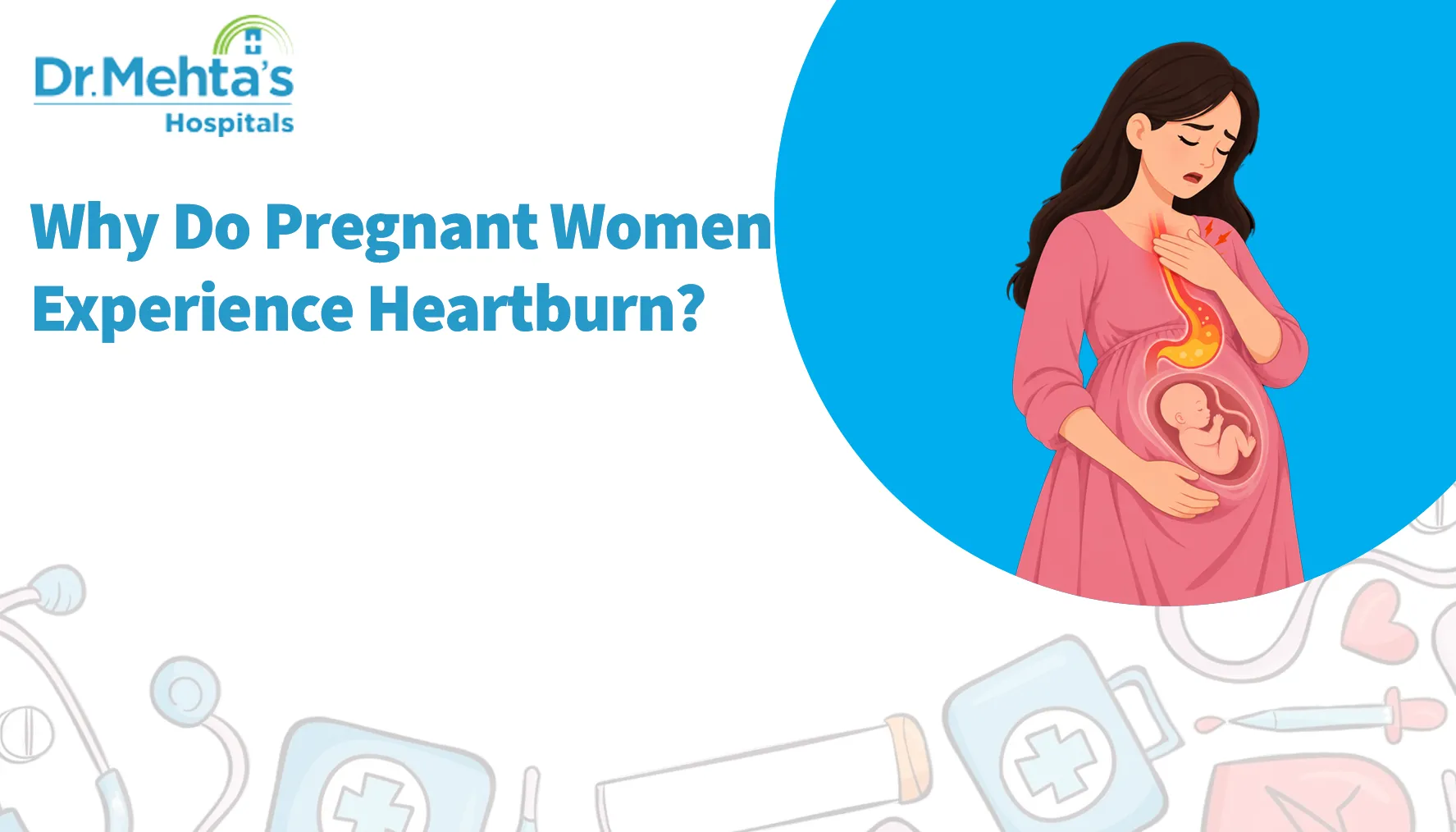
Heartburn during pregnancy happens mainly due to hormonal changes and the pressure of the growing uterus on the stomach. Pregnancy hormones can affect digestion and make it easier for stomach acid to move upward, while the growing uterus can put additional pressure on the stomach as pregnancy progresses.
This can cause a burning sensation in the chest or throat, particularly after meals or when lying down. Heartburn can occur at any stage of pregnancy, and its frequency and severity may vary from person to person.
Understanding its causes and potential triggers can help you manage the discomfort more effectively.
Several physical changes during pregnancy can make acid reflux more likely. One of the main changes involves the lower oesophageal sphincter (LES), which can become more relaxed during pregnancy and allow stomach acid to move back into the oesophagus.
|
Cause |
How It Can Cause Heartburn |
| Hormonal changes |
Higher levels of progesterone can relax the LES, making it easier for stomach acid to move upward. |
|
Slower digestion |
Pregnancy hormones can slow digestion, causing food to remain in the stomach longer and potentially increasing reflux. |
| Growing uterus |
As the uterus grows, it can put additional pressure on the stomach and make reflux more likely. |
|
Large meals |
Eating a large meal can increase pressure in the stomach and make heartburn more uncomfortable. |
Heartburn and acid reflux are common during pregnancy, affecting an estimated 30% to 80% of pregnant women worldwide.
No, heartburn during pregnancy is generally not harmful to your baby. Although the burning sensation can be uncomfortable, it usually results from normal changes that happen as your pregnancy progresses.
Hormonal shifts can relax the muscle between the stomach and food pipe, while the growing uterus may put additional pressure on the stomach.
These changes can allow stomach acid to move upward more easily. Heartburn itself does not usually affect your baby’s growth or development.
If your symptoms are frequent or severe, speak with a gynaecologist in Chetpet for appropriate medical advice.
Heartburn can start at any stage of pregnancy, including the first trimester, although many women experience it more frequently during the second and third trimesters. The timing and severity can vary from person to person.
India’s National Health Mission reports that 70% of mothers had an antenatal check-up in the first trimester, according to NFHS-5.
Certain foods, drinks, and eating habits are potential triggers for pregnancy heartburn, but triggers vary from person to person. Not every woman needs to avoid the same foods.
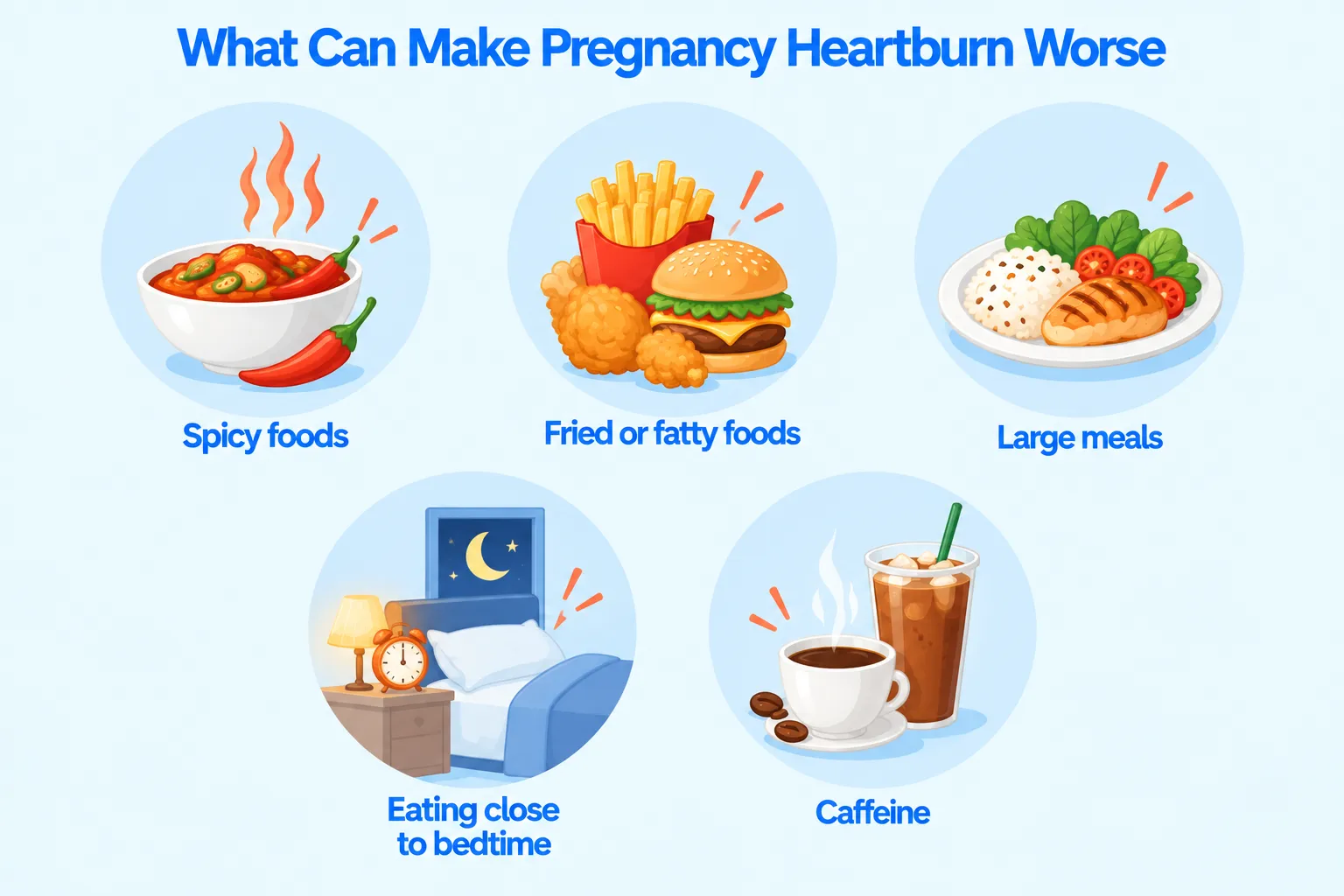
Keeping track of your personal triggers can help you manage symptoms and discuss heartburn treatment during pregnancy with your doctor.
Simple changes to your eating habits and daily routine can help reduce heartburn during pregnancy. Here are some simple ways to reduce heartburn during pregnancy:
Speak with your doctor if heartburn is persistent, recurrent, or severe, especially if lifestyle changes do not provide relief. Seek medical advice if you experience repeated vomiting, difficulty swallowing, severe chest or upper abdominal pain, or difficulty eating or sleeping.
Avoid taking medicines on your own, as some remedies may not be suitable during pregnancy. Your doctor can help determine the cause of your symptoms and recommend appropriate treatment.
If you need medical advice for persistent pregnancy heartburn, you can consult our expert women gynecologists in Chennai at Dr. Mehta’s Hospitals.
Heartburn is common during pregnancy and can often be managed with simple lifestyle changes. Understanding your personal triggers and speaking with your doctor when symptoms are persistent, recurrent, or severe can help you manage the discomfort safely.
At Dr. Mehta’s Hospitals, we understand that every pregnancy can bring different concerns. Our obstetric and gynaecological teams provide personalised care, with the support of multiple specialties available at our leading multispeciality hospital in Chennai.
Pregnancy hormones can relax the lower oesophageal sphincter and slow digestion, while the growing uterus can put pressure on the stomach.
2. Can heartburn start in the first trimester?
Yes, heartburn can start during the first trimester, although some women experience it more frequently later in pregnancy.
3. Why is heartburn worse at night during pregnancy?
Heartburn may worsen at night because lying down can make it easier for stomach acid to flow back into the oesophagus.
4. Is pregnancy heartburn harmful to the baby?
No, pregnancy heartburn is generally not harmful to the baby or its development.
5. What foods can trigger heartburn during pregnancy?
Spicy, fatty, or large meals may trigger heartburn for some women, but individual triggers vary.
6. Does drinking water help heartburn during pregnancy?
Sipping water may help ease symptoms for some women, although its effect can vary.
7. How long does pregnancy heartburn last?
Heartburn may come and go throughout pregnancy, and its frequency and severity can vary from person to person.
8. When should I see a doctor for pregnancy heartburn?
Speak with your doctor if heartburn is persistent, recurrent, or severe, or if it causes difficulty swallowing, repeated vomiting, severe pain, or difficulty eating or sleeping.
9. Can I take medicine for heartburn during pregnancy?
Some medicines may be considered safe during pregnancy, but they should be taken only on your doctor’s advice.
10. Can heartburn get worse as pregnancy progresses?
Yes, heartburn may become more frequent or intense later in pregnancy as hormonal changes continue and the growing uterus puts more pressure on the stomach.