The first trimester, your first three months, is one of the most sensitive and exciting phases of pregnancy. Your body begins adjusting to hormonal shifts while your baby’s major organs start developing. Knowing the right do’s and don’ts early on can make a meaningful difference to your health and your baby’s development.
The first trimester (weeks 1-10) brings major physical and hormonal changes. You may experience morning sickness, fatigue, and mood swings as your baby’s brain, spine, and heart start forming.
Between 2019 and 2021, around 70% of mothers had their first antenatal check-up in the first trimester, a rise from 58.6% in 2015–2016.
This is also when early prenatal care becomes crucial. Regular check-ups, a nutritious diet, and emotional support help reduce complications and make your journey smoother.
Common first trimester pregnancy symptoms are:
If you experience severe pain or heavy bleeding, contact your doctor right away.
The first trimester lays the foundation for your baby’s overall growth and development. It is the stage during which such vital organs as the brain, spine, and organs start developing, i.e., the right nutrition and habits become the most important.
Healthy precautions during this stage help reduce the risk of nutrient deficiencies, infections, and early complications. Regular visits with your obstetric care specialists in Chennai help monitor your progress, manage symptoms, and provide personalised first-trimester guidance especially when it comes to identifying and managing common urinary infections during pregnancy early.
About 60% of women had their first pregnancy check-up during the first trimester, but only 21% received complete antenatal care, meaning they accessed all the recommended health services.
Your daily habits can play a big role in keeping both you and your baby healthy. Here’s a simple guide to what you should do and avoid during your first trimester.
|
Category |
Do’s (Safe & Recommended) | Don’ts (Avoid or Limit) |
|
Nutrition & Supplements |
Take prenatal vitamins daily – especially folic acid and iron for your baby’s development. Take them at a fixed time; if nausea occurs, have them after meals or at night. |
Don’t skip prenatal supplements – missing key nutrients can increase risks. Don’t stop or change doses without your doctor’s advice. |
|
Healthy Eating & Food Safety |
Eat balanced meals – include fruits, vegetables, whole grains, lean proteins, and dairy. Small, frequent meals can help manage nausea. |
Avoid raw or unpasteurized foods – they may carry harmful bacteria. Choose freshly cooked meals and hygienic food, especially when eating out. |
|
Hydration & Lifestyle Habits |
Stay hydrated – aim for 8–10 glasses of water daily; include coconut water or soups if needed. Proper hydration can reduce headaches and fatigue. |
Don’t drink alcohol or smoke – both can harm your baby’s growth. Seek medical help if you need support to quit. |
|
Rest & Energy Levels |
Get enough rest – 7–8 hours of sleep with short daytime naps is helpful. Fatigue is common in early pregnancy. |
Avoid excessive caffeine – limit to one small cup a day (under 200 mg). Replace with milk or doctor-approved alternatives. |
| Stay active with light exercise – walking or prenatal yoga improves circulation and sleep. Stop if you feel discomfort. |
Don’t overexert or lift heavy weights – it can strain your body. Ask for help instead of pushing yourself. |
|
|
Medical Care & Check-Ups |
Attend regular check-ups – helps track your baby’s growth and address concerns early. Use visits to clarify diet, scans, and symptoms. |
Don’t ignore unusual symptoms – heavy bleeding, severe pain, fever, or fainting need immediate medical attention. |
| Emotional Well-Being & Medication Safety | Take care of your emotional health – mood swings are normal. Talk to loved ones and take time to relax. |
Don’t take medicines without advice – some drugs aren’t safe in pregnancy. Always consult your doctor first. |
Every pregnancy is unique. Follow your doctor’s guidance before making lifestyle or diet changes. Especially when it comes to expert pregnancy care guidance from gynecologists.
It’s normal to feel overwhelmed, especially in your first pregnancy. Here are some habits to avoid for a safer first trimester:
A large number of these errors can be prevented through consistent maternal health check-ups and monitoring. Frequent visits to our top gynecologists in Velappanchavadi, Chennai, will have each procedure of your first trimester supervised.
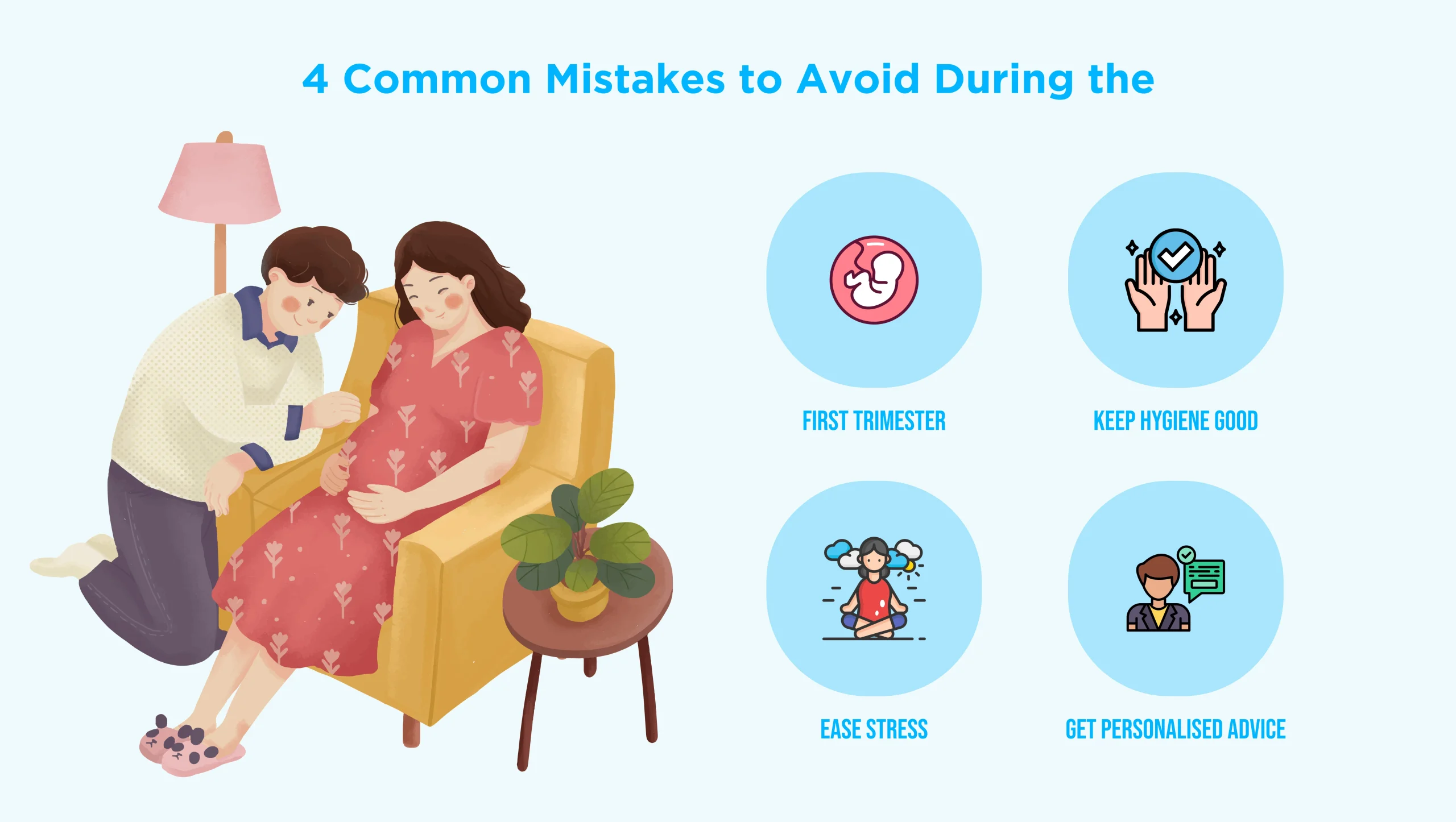
Pregnancy is a journey that is touching and also transformative. Here are a few pregnancy first trimester tips given by the top obstetricians in Chennai to help you be confident and calm:
Expert gynecologists in Chetpet provide the first three months of pregnancy care to the expecting mothers in the city of Chennai.
The first trimester is all about establishing a healthy ground, physically, mentally, and emotionally. With proper pregnancy care guidelines, good communication with your physician, as well as a bit of relaxation, you can look forward to a happier, healthier pregnancy experience.
When pregnant or planning to have a baby, refer to a reputable gynecologist in Chennai within Dr. Mehta’s Hospitals to receive specialized help in your prenatal experience. Contact our experts right now and start your treatment procedure immediately.