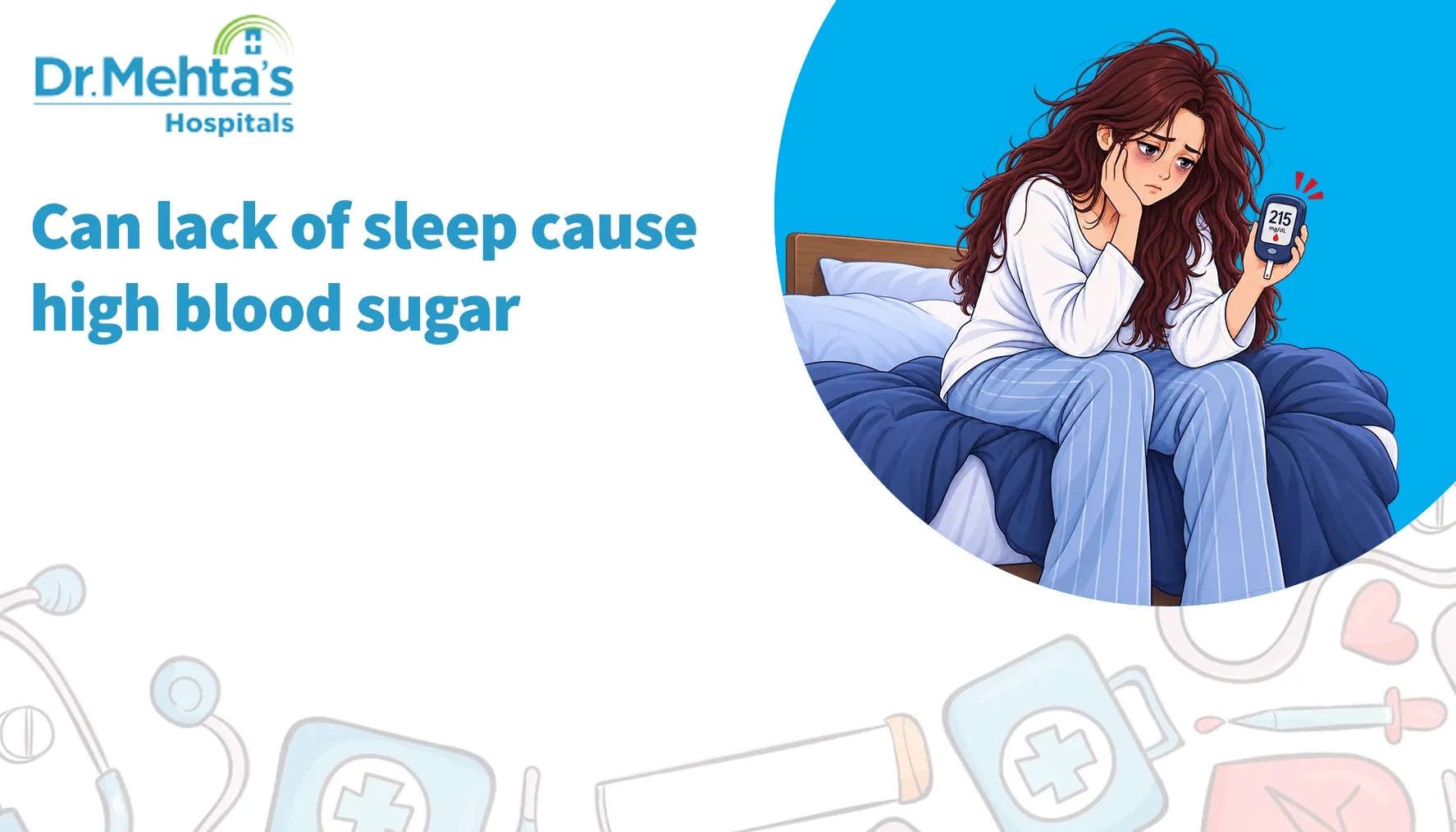
Sleep does more than help you feel rested the next morning. It also gives your body time to regulate important functions, including how it uses and manages blood sugar. When you regularly sleep too little or have poor-quality sleep, your body may become less effective at using insulin, which can make it harder to keep blood sugar within a healthy range.
While one restless night is unlikely to cause a major change, ongoing sleep problems can gradually affect metabolic health. Understanding this connection can help you take better care of both your sleep and overall health.
Sleep and blood sugar have a two-way relationship: getting too little or poor-quality sleep can make it harder for the body to keep blood sugar within a healthy range. During good sleep, the body regulates how it uses glucose and responds to insulin. When sleep is repeatedly disrupted or shortened, the body may become less responsive to insulin, allowing more sugar to remain in the blood.
Research from Diabetes Journal has found that even several days of restricted sleep can reduce insulin sensitivity in otherwise healthy adults. Sleep loss can also affect hormones linked to stress, hunger, and energy use, which may further influence blood sugar. Over time, this can affect overall metabolic and heart health.
Lack of sleep can raise blood sugar by making it harder for the body to use and control sugar properly. When poor sleep becomes a regular pattern, it can affect the way the body responds to insulin and can also change hormones that help keep blood sugar steady.
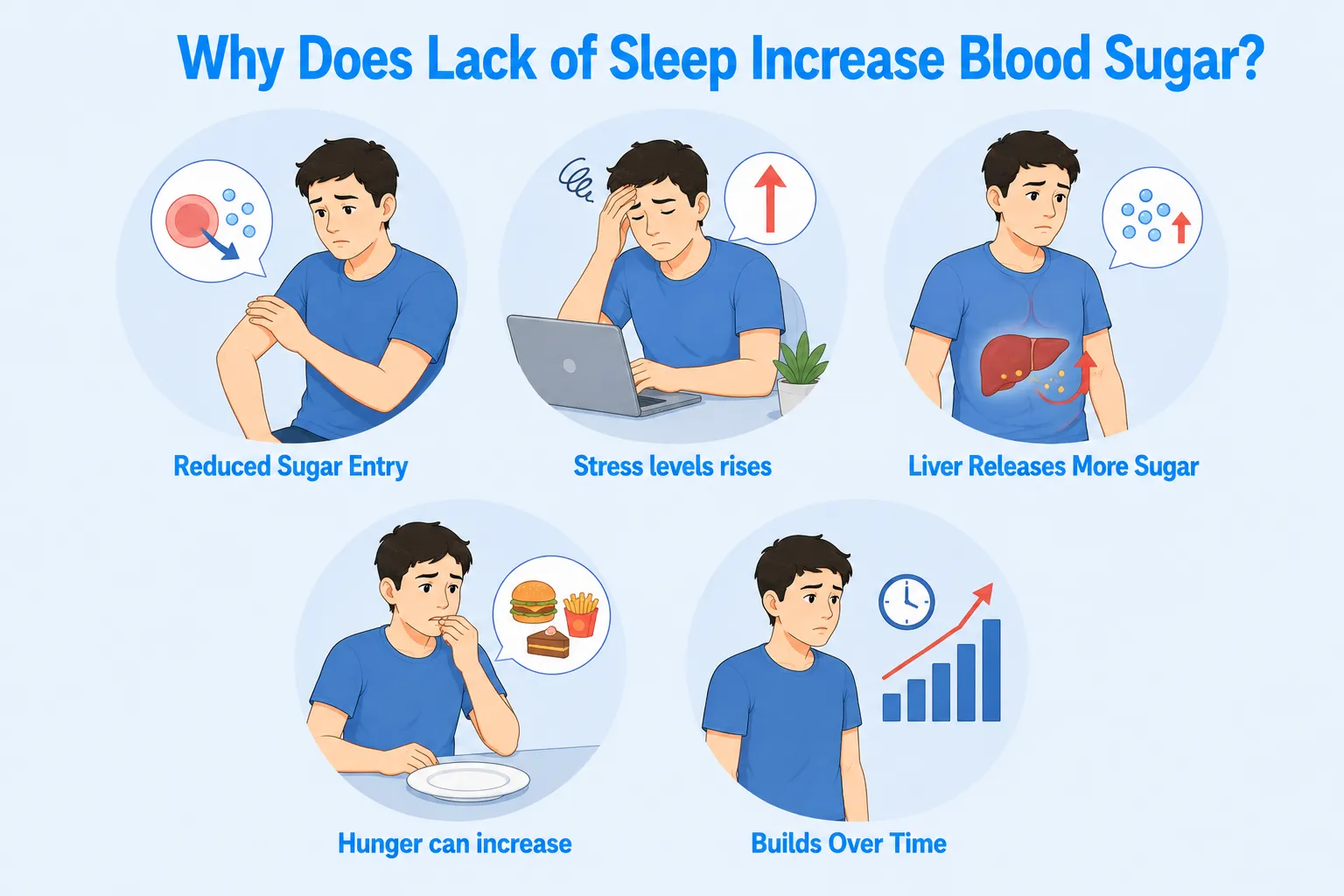
As reported by PubMed, a controlled clinical study found that 24 hours of sleep deprivation reduced insulin sensitivity in otherwise healthy adults.
Understanding how diabetes increases risk of heart disease can also help you recognise why long-term blood sugar control matters for overall heart health.
Getting enough, good-quality sleep can support steadier blood sugar while also helping your body manage energy, appetite, and stress more effectively.
Here are some tips:
If poor sleep and blood sugar changes continue despite these habits, speak with top cardiologists in Chetpet for personalised guidance.
If your blood sugar remains higher than usual for several days despite better sleep, stress and heart health may also need attention, so see a doctor to identify whether stress, illness, diet, or diabetes may be contributing.
For comprehensive evaluation, a best cardiology hospital in Chennai can connect you with an experienced heart specialist for appropriate cardiovascular care.
Sleep and blood sugar are closely connected, and consistently poor sleep can make it harder for the body to manage blood sugar properly. While one restless night is unlikely to cause lasting problems, repeated sleep loss deserves attention, especially if you are already noticing changes in your blood sugar.
Taking care of your sleep can also support your wider health, including your heart. If poor sleep, high blood sugar, or related concerns continue, Dr. Mehta’s Hospitals can help you understand the possible causes and receive the right medical guidance. A best multispeciality hospital in Chennai can also provide coordinated care when sleep, blood sugar, and heart health overlap.
Yes, repeatedly sleeping too little may affect how well your body manages sugar and responds to insulin.
2. How many hours of sleep should an adult get for healthy blood sugar?
Most adults benefit from getting around 7–8 hours of good-quality sleep each night to support healthy blood sugar levels.
3. Can one night of poor sleep raise blood sugar?
A single night of insufficient sleep may cause a temporary change in how your body handles sugar, although the effect varies from person to person.
4. Can poor sleep increase the risk of diabetes?
Yes, consistently poor or inadequate sleep has been linked with a greater chance of developing type 2 diabetes over time.
5. Can sleeping late affect blood sugar?
Yes, frequently changing your sleep schedule or staying up late may interfere with your body’s normal rhythm and affect blood sugar control.
6. Can lack of sleep cause high blood sugar in people without diabetes?
Even without diabetes, repeated sleep loss can temporarily make it harder for the body to process sugar efficiently.
7. Can getting better sleep help lower blood sugar?
Better sleep can support healthier blood sugar control, but it should be considered alongside any treatment or lifestyle changes recommended by your doctor.
8. Can sleep problems make diabetes harder to manage?
Yes, ongoing sleep difficulties can make it more challenging to keep blood sugar within the recommended range when you have diabetes.
9. Can sleep apnea affect blood sugar levels?
Yes, sleep apnea has been linked to changes in blood sugar control and a higher likelihood of developing type 2 diabetes.
10. When should I see a doctor for high blood sugar and poor sleep?
If high blood sugar keeps occurring or your sleep remains disturbed despite making changes, speak with a doctor to determine what may be causing it.