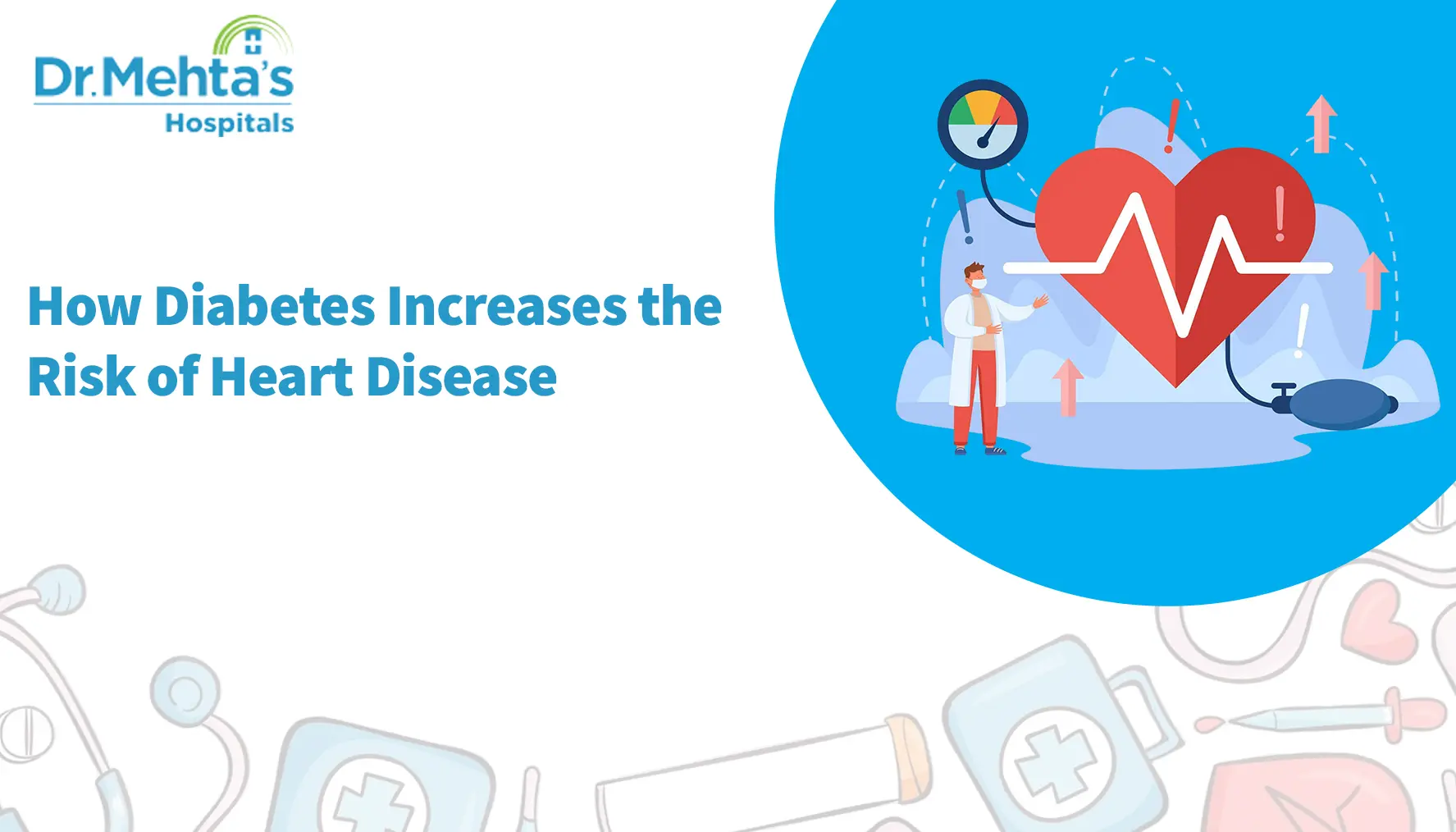
Diabetes affects more than blood sugar levels alone. Over time, persistently elevated glucose levels may influence blood vessels, circulation, and overall heart health. Doctors often observe that poorly managed diabetes over several years can place additional strain on circulation and heart function, increasing the likelihood of vascular complications over time.
Understanding the relationship between diabetes and cardiovascular health can support earlier lifestyle changes, timely monitoring, and preventive care. With the correct knowledge, eating habits, and healthcare advice, you can take care of your blood sugar levels as well as your heart.
Consistent long-term lifestyle adjustments and regular monitoring can play an important role in reducing cardiovascular risk.
Diabetes affects how the body processes glucose, but over time, it may also influence blood vessel function, circulation, and cardiac health. Persistently elevated blood sugar levels may gradually contribute to vascular inflammation and increased strain on the cardiovascular system.
India continues to report a growing burden of Type 2 diabetes, with approximately 107 million adults diagnosed with the condition and approximately 255 million more at high metabolic risk as a result of pre-diabetes. Heart-related conditions continue to contribute significantly to serious health complications across India, especially among individuals already living with metabolic conditions such as diabetes.
A diabetes diagnosis does not automatically lead to future cardiac complications, especially when risk factors are identified and managed early. Through appropriate treatment, observation, and changes in lifestyle, most of the individuals have been able to learn to live with both and maintain an active life.
Persistently high blood sugar levels may damage the inner lining of blood vessels, affecting normal vascular function over time. This may reduce vascular flexibility and interfere with healthy blood circulation.
In the long run, it may cause constriction of blood vessels, which can decrease the effectiveness of circulation. Healthy blood vessels are essential for maintaining adequate oxygen supply to the heart and other organs.
You can take care of the good health of your blood vessels and blood circulation by keeping your blood sugar levels constant.
Diabetes may alter the way the body processes fats and cholesterol, and this might increase the concentration of some kinds of cholesterol. Over time, this can contribute to plaque build-up within blood vessels, increasing cardiovascular risk.
These deposits can complicate the movement of blood in the body, which can have long-term consequences on the heart. Regulation of cholesterol levels and blood sugar is a significant component of overall well-being.
Consistently checking levels and maintaining a healthy lifestyle can keep these levels in check, and timely consultation with diabetology and cardiology specialists at Dr. Mehta’s Hospitals, reputed as one of the best diabetes hospitals in Chennai, can go the extra mile to ensure that your health is in good standing in the long term.
The risk factors are often common in diabetes and heart disease, and can lead to both complications when managed improperly.
Common shared risk factors include:
In India, cardiovascular diseases account for about 45% of all deaths caused by non-communicable conditions. Most of these situations are connected to the risk factors that can be mitigated or managed through appropriate lifestyle modifications and treatment.
The effect on heart health can be even stronger when these factors are combined with diabetes. Many of these contributing factors can be managed through sustained lifestyle changes and preventive healthcare measures. Early actions to handle such risk factors can help the heart and the health in general.
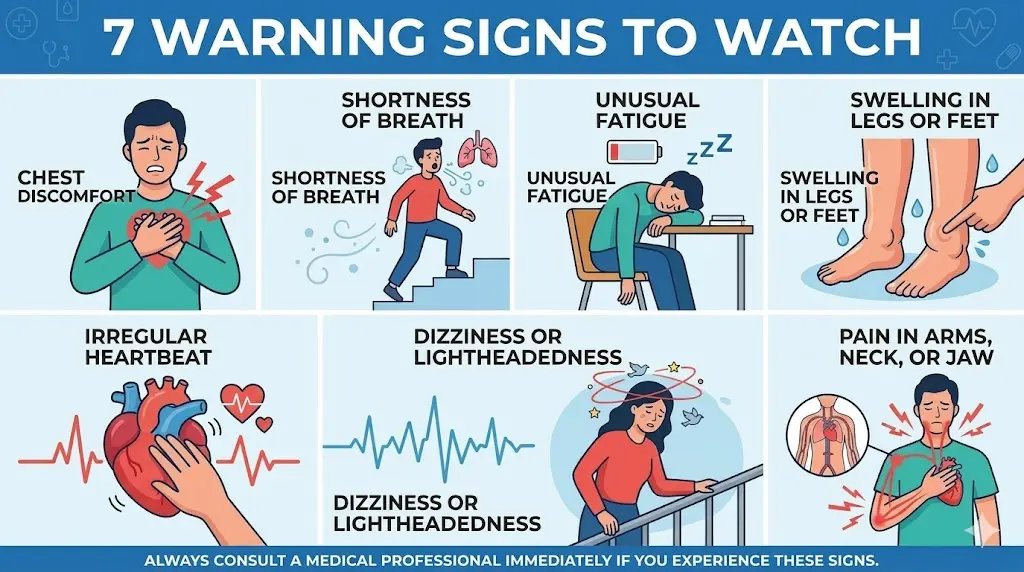
What Are the Early Signs of Heart Disease in People With Diabetes?
Knowing the early signs can make you take action in time and seek advice when necessary. Although the symptoms can be different, the following are some of the common signs to be considered:
Pain in the chest or a sense of pressure could also mean that the heart is straining. It’s important to pay attention to such sensations and seek medical advice if they persist.
Breathing difficulties during regular activities or when resting can be signs of altered heart functioning. This cannot be overlooked, should it persist.
The feeling of being tired without any obvious cause is sometimes associated with the level of work of your heart, and constant exhaustion must not be overlooked. In this case, medical evaluation should be considered if symptoms persist or worsen, and immediately, since it is distinguished by 24/7 emergency treatment and immediate reaction to critical situations.
When circulation is compromised, swelling can appear in the lower body. This could be an indicator that the heart is not functioning effectively as it should be.
When you notice anything different about your heartbeat, like it becomes faster or irregular, it may require a doctor to help.
Sensation of lightheadedness or dizziness can occur intermittently, but if it occurs repeatedly, it is preferable to consult.
Pain in these regions, particularly when associated with other symptoms, can be a sign of a medical issue.
Paying attention to persistent or unusual symptoms can help individuals seek medical guidance earlier and make informed decisions about their cardiovascular health before complications progress further. early and receiving professional-supported instructions can also help in the timely response and improved heart health results.
Understanding how diabetes influences cardiovascular health can help support earlier intervention, informed lifestyle decisions, and long-term disease management.
While diabetes can increase cardiovascular risk over time, regular monitoring, balanced nutrition, physical activity, and timely medical care may significantly improve long-term outcomes. Regular check-ups, blood sugar monitoring and a balanced lifestyle can make a significant difference.
With the right approach and timely guidance, you can support both your heart and overall well-being.
No. Many individuals with diabetes maintain healthy cardiovascular function through blood sugar control, lifestyle management, and regular medical monitoring.
2. Why is heart health important for people with diabetes?
Diabetes can affect blood vessels and circulation, which makes heart health an important aspect to monitor.
3. Can lifestyle changes reduce the risk of heart disease in diabetes?
Yes, healthy eating, regular activity, and proper medical guidance can help reduce risks significantly.
4. How often should I check my heart health?
Regular check-ups, as advised by your doctor, can help monitor your heart and overall health effectively.
5. Are early symptoms easy to notice?
Some symptoms may be mild or gradual, which is why regular monitoring is important.
6. When should I consult a doctor?
If you notice persistent symptoms like fatigue, breathlessness, or chest discomfort, it’s best to seek medical advice.
7. Can controlling blood sugar improve heart health?
Yes. Maintaining stable blood sugar levels may help reduce stress on blood vessels and lower the risk of long-term cardiovascular complications. Consistent glucose management, regular exercise, balanced nutrition, and routine medical follow-ups all contribute to better heart health outcomes in people with diabetes.
8. Why are people with diabetes more likely to develop heart disease?
Diabetes can affect blood vessels, circulation, cholesterol balance, and blood pressure regulation over time. When blood sugar levels remain uncontrolled for prolonged periods, the risk of plaque build-up, reduced vascular flexibility, and cardiovascular strain may increase significantly.
9. What foods support heart health in people with diabetes?
A heart-friendly diabetic diet generally includes fibre-rich vegetables, whole grains, lean proteins, nuts, legumes, and healthy fats. Limiting processed foods, excess sugar, trans fats, and high-sodium meals may help support both blood sugar control and cardiovascular wellness.
10. Can heart disease symptoms appear differently in people with diabetes?
Yes. Some individuals with diabetes may experience milder or less noticeable symptoms due to diabetes-related nerve damage. Instead of severe chest pain, symptoms may include unusual fatigue, breathlessness, dizziness, nausea, or discomfort in the neck, jaw, or arms. Early medical evaluation is important if symptoms persist.