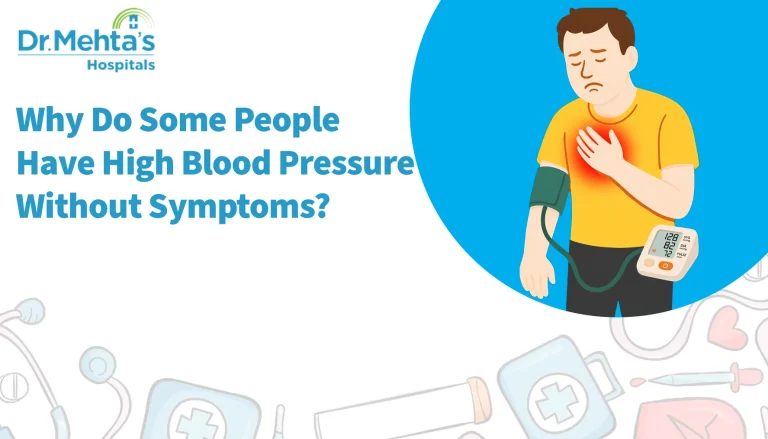
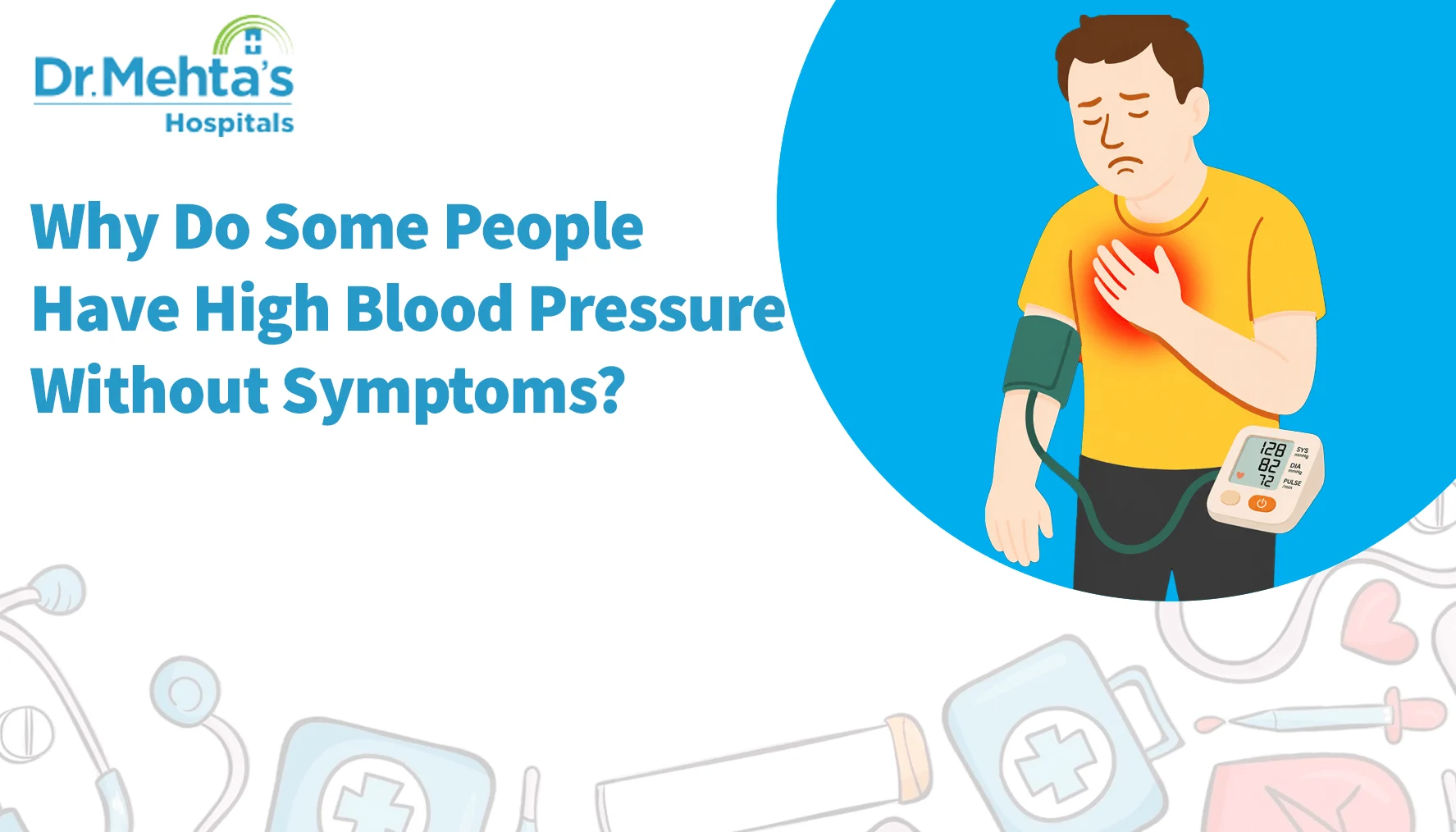
High blood pressure can exist without symptoms because it often develops slowly, giving the body time to adjust without making you feel unwell. Unlike an injury or infection, high blood pressure does not always cause pain or other noticeable warning signs in its early stages.
A person may therefore continue with their daily routine without knowing that their blood pressure is higher than it should be. Regular BP checks can help detect the condition early, even when you feel perfectly fine.
This guide explains why high blood pressure can go unnoticed, its possible risks, how often to check it, and when to see a doctor.
High blood pressure may go unnoticed because the body can become accustomed to a gradual rise in pressure over time. Since this change does not always cause pain or discomfort, a person may not realise that their blood pressure is elevated.
The condition can therefore remain undetected until a routine measurement reveals it. Factors such as increasing age, excess weight, high-salt diets, inactivity, and family history can also increase the likelihood of developing hypertension.
Research examining undiagnosed hypertension found a prevalence of 11.7% among men and 7.2% among women, as reported by PubMed.
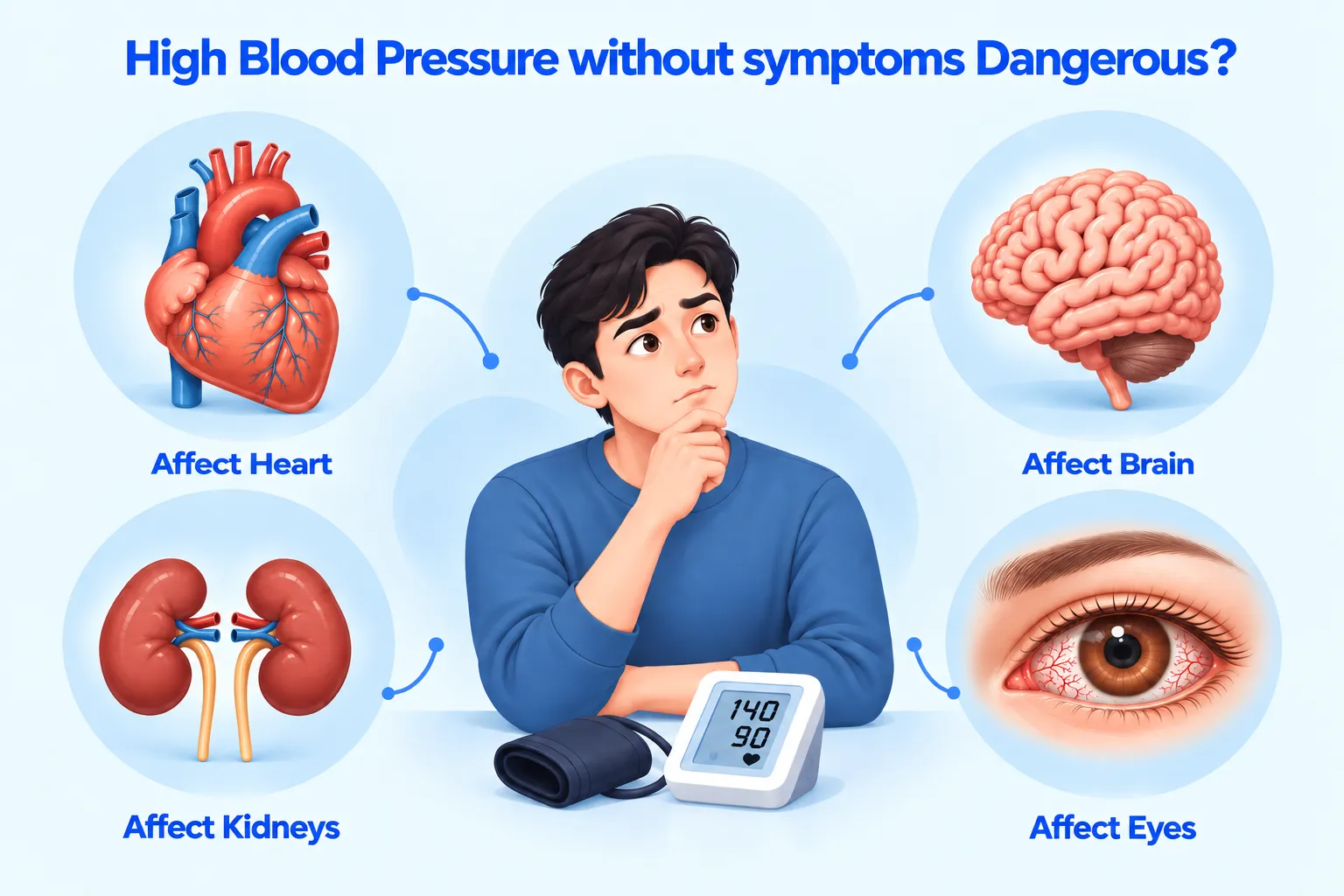
Yes, high blood pressure without symptoms can be dangerous because it may quietly damage vital organs and raise health risks.
Poorly controlled hypertension can lead to kidney damage from high blood pressure over time.
A BP checkup is a simple way to find out whether your blood pressure is within a healthy range. If your readings remain high, a Hypertension specialist can assess your condition and recommend the right course of care.
This is particularly important because WHO reports that at least 1 in 4 adults in India has hypertension, highlighting how common the condition is.
There is no single schedule for everyone: your age, previous BP readings, risk factors, and whether you have hypertension determine how often you should check it. A Cardiologist may also recommend a different schedule based on your individual health needs.
Keep in mind: One elevated measurement alone does not establish a diagnosis of hypertension. Repeated readings may be needed to determine whether your blood pressure remains consistently high, unless your healthcare professional recommends otherwise.
Seek immediate medical attention if your BP is above 180/120 mmHg and you also have concerning symptoms. Watch for these symptoms:
Persistent high blood pressure warrants medical attention even when you do not notice any symptoms For appropriate assessment and high blood pressure treatment, consult the cardiologist specialists in Chennai at Dr. Mehta’s Hospitals.
High blood pressure can remain unnoticed for a long time, so feeling well does not always mean your blood pressure is within a healthy range. Regular BP checks can help identify elevated readings early, while timely medical advice can reduce the risk of complications.
Knowing your blood pressure readings and discussing any persistent elevation with a healthcare professional can help you take action before complications develop.
Our approach focuses on timely evaluation, regular monitoring, and personalised care to help patients manage high blood pressure effectively.
As a trusted multispeciality hospital in Chennai, we bring together experienced specialists and comprehensive healthcare services to support patients through diagnosis, treatment, and long-term management.
Yes, high blood pressure often causes no noticeable symptoms, so regular BP checks are important even when you feel well.
2. Why does high blood pressure usually go unnoticed?
It often develops gradually without causing pain or obvious changes that would alert you to a problem.
3. Can high blood pressure go away on its own?
Temporary increases may settle, but consistently high blood pressure usually requires lifestyle changes and, when prescribed, medical treatment.
4. What is the easiest way to know if you have high blood pressure?
Measuring your blood pressure with a validated monitor is the most reliable way to detect elevated readings.
5. Can one high blood pressure reading mean I have hypertension?
No, hypertension is generally confirmed through repeated measurements rather than a single unusually high reading.
6. How often should a healthy adult check their blood pressure?
Adults with normal readings should have their blood pressure checked regularly during routine healthcare visits, with more frequent checks when advised.
7. What happens if high blood pressure is left untreated?
Persistently high blood pressure can damage blood vessels and increase the risk of heart, brain, kidney, and other health problems.
8. Can young adults have high blood pressure without knowing it?
Yes, high blood pressure can affect younger adults and may remain unnoticed because it does not always cause symptoms.
9. When is high blood pressure an emergency?
A reading above 180/120 mmHg accompanied by symptoms such as chest pain, breathing difficulty, weakness, vision changes, or trouble speaking requires immediate medical attention.
10. Should I see a doctor even if I have high BP but no symptoms?
Yes, consistently elevated readings should be discussed with a doctor because the absence of symptoms does not rule out health risks.