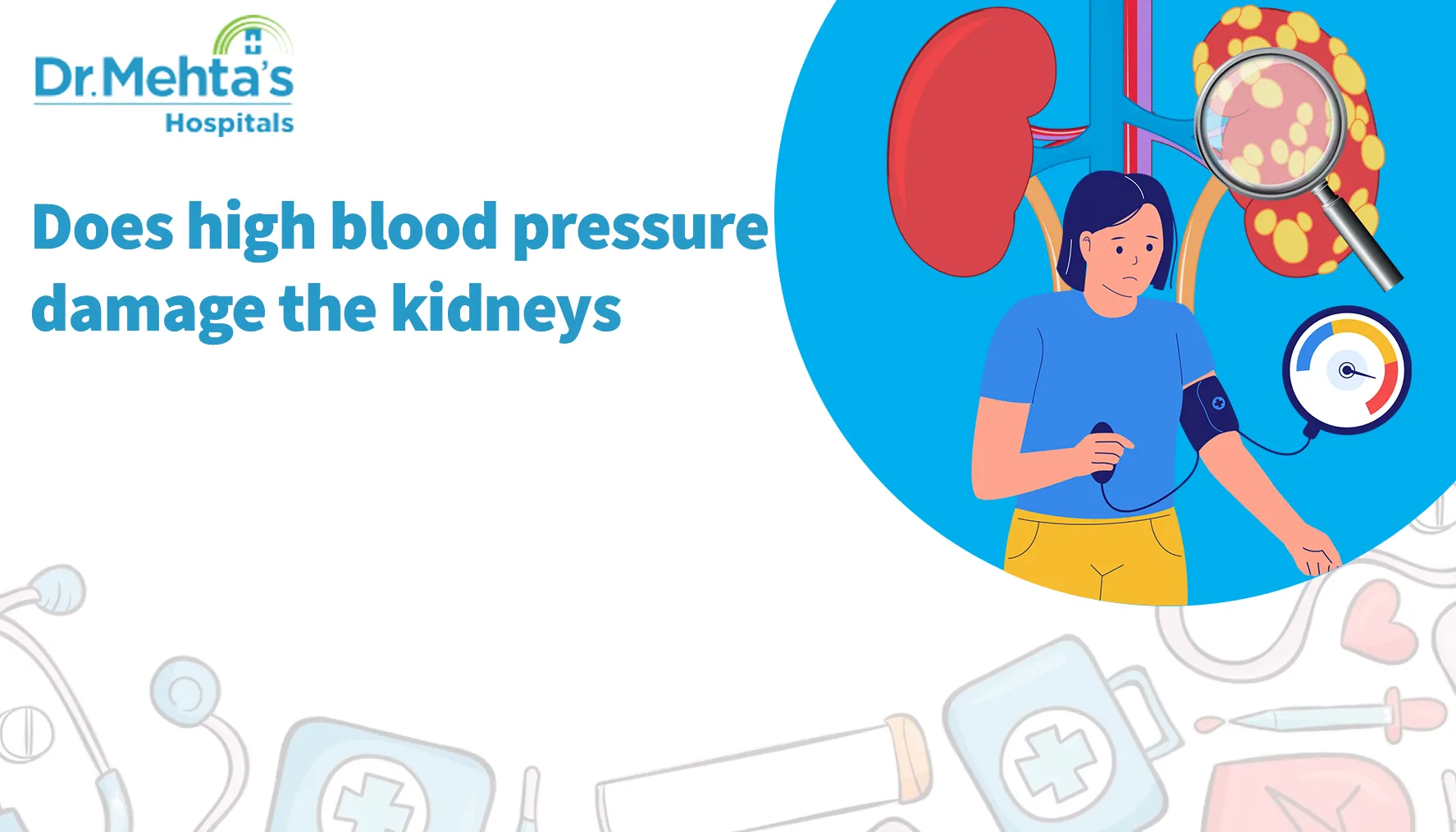
High blood pressure may not cause noticeable symptoms, but it can quietly affect important organs over time, including the kidneys. Your kidneys rely on healthy blood vessels to filter waste and extra fluid from your blood. When blood pressure stays high for a long time, it can put constant strain on these vessels and gradually affect how well the kidneys work.
The tricky part is that kidney damage may also develop without obvious warning signs in the early stages. Knowing how high blood pressure affects your kidneys, who may be at greater risk, and what you can do to protect them can help you take action before the problem becomes serious.
High blood pressure damages the kidneys by putting long-term strain on the small blood vessels that help them filter your blood. Over time, constant pressure can make these vessels narrower and weaker, reducing the kidneys’ ability to remove waste and excess fluid. As reported by WHO India, at least 1 in 4 adults in India has hypertension, but only about 12% have their blood pressure under control.
When kidney function declines, the body may retain more fluid, which can further raise blood pressure and place added stress on the kidneys. Without proper management, this cycle can gradually lead to chronic kidney disease. Managing blood pressure early can help protect kidney function.
Knowing how to lower blood pressure and protect your kidneys can help reduce the risk of further kidney damage.
Anyone with poorly controlled high blood pressure can be at risk of kidney damage, but certain factors can increase that risk further. You may be more vulnerable if you have:
In India, high blood pressure has been reported in around 23% of men and 23% of women, while some studied populations showed hypertension rates as high as 39.4%. Recognising these risks early can help you take steps towards better hypertension treatment and kidney protection.
Protecting your kidneys starts with keeping your blood pressure in a healthy range. Small, consistent changes can help reduce the strain on your kidneys over time:
If you are concerned about your kidney health or blood pressure, a best kidney specialist in Chennai can help you understand your risk and next steps.
A nephrology hospital in Velappanchavadi can help assess blood pressure-related kidney concerns.
High blood pressure does not have to lead to kidney problems, especially when it is identified and managed early. Paying attention to your blood pressure, making sensible lifestyle choices, taking prescribed medicines, and keeping up with recommended check-ups can go a long way towards protecting kidney health. Even if you feel completely well, regular monitoring matters because kidney changes can develop quietly.
If you have concerns about your blood pressure or kidney function, getting the right medical advice can give you clarity and help you act early. A best multispeciality hospital in Chennai, such as Dr. Mehta’s Hospitals, can provide the support and specialist care you need.
Yes, consistently high blood pressure can damage the kidneys’ blood vessels and gradually reduce their ability to filter waste.
2. How does high blood pressure affect kidney function?
High blood pressure puts continuous strain on the kidney’s small blood vessels, which can make filtering blood less effective over time.
3. What are the early signs of kidney damage from high blood pressure?
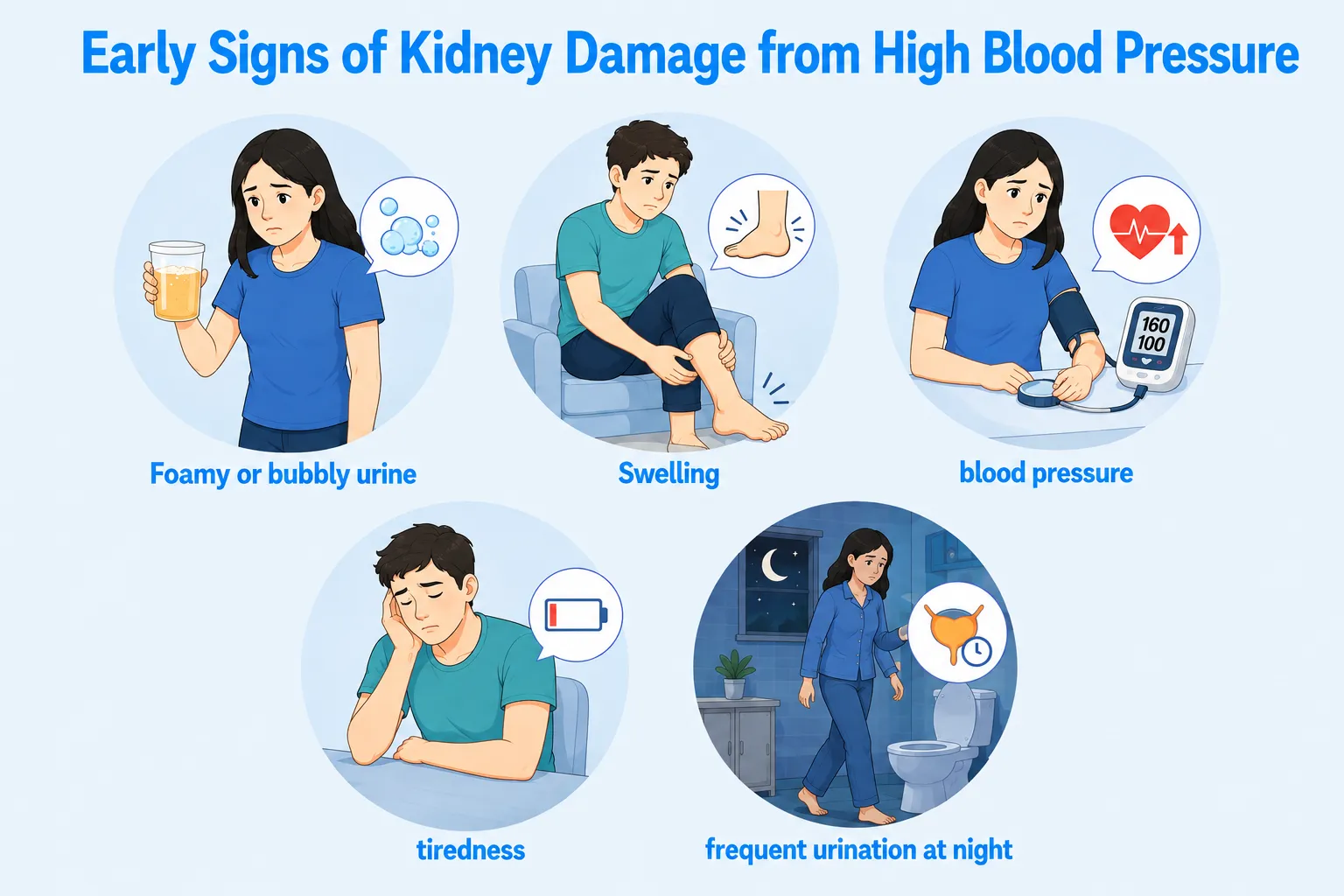
Early kidney damage may cause no obvious symptoms, but foamy urine, swelling, unusual tiredness, and changes in urination can occur.
4. Can kidney damage from high blood pressure be reversed?
Some kidney damage may improve when the underlying cause is treated, while more advanced chronic kidney damage may not be fully reversible.
5. Can you have kidney damage from high blood pressure without symptoms?
Yes, kidney damage can develop silently, which is why people with high blood pressure may need regular kidney function checks.
6. What tests check for kidney damage caused by high blood pressure?
Doctors may use blood tests such as creatinine and eGFR along with urine tests that check for protein or albumin.
7. Who is more likely to develop kidney damage from high blood pressure?
The risk is higher in people with diabetes, excess weight, a family history of kidney disease, high salt intake, or poorly controlled blood pressure.
8. Can controlling blood pressure protect the kidneys?
Yes, keeping blood pressure within the recommended range can reduce stress on the kidneys and lower the risk of further damage.
9. How often should people with high blood pressure have their kidneys checked?
The right testing schedule depends on your health and risk factors, so your doctor can recommend how often your blood and urine should be checked.
10. When should I see a doctor for high blood pressure and kidney concerns?
Seek medical advice if your blood pressure remains uncontrolled or you develop swelling, persistent urine changes, unusual tiredness, or other concerning symptoms.