
Urinary tract infections (UTIs) are quite common among women and can cause discomfort in daily life. Although many women may experience an occasional UTI, some find that it keeps coming back.
Have you ever asked yourself, why do I keep getting UTIs? You are not alone. Recurring UTIs can be frustrating, but understanding their causes can help you take the right steps toward prevention and relief.
The encouraging fact is that frequent UTIs can be controlled successfully with the help of proper awareness and treatment.
A recurrent UTI refers to urinary infections that occur more than once within a certain period. It is generally considered recurrent when:
These infections may cause similar symptoms each time, and they may include pain during urination or frequent urges to urinate.
Recurrent UTIs do not always mean something serious, but they do indicate that it’s important to understand the underlying reasons and take preventive steps.
Recurrent urinary tract infections are common in India. According to PubMed Central, about 22.3% of women in certain groups experience recurrent UTIs.
UTIs can happen repeatedly due to a number of reasons. Knowing these reasons can guide you to recognize patterns and undertake minor adjustments to aid in improved urinary health.
In some cases, symptoms might appear improved, yet a past UTI might not be completely resolved. This may enable the bacteria to stay in the urinary tract, which may lead to another infection after some time.
You should take the entire course of treatment as prescribed by your doctor. Although you might feel better earlier, finishing the full treatment helps ensure the infection is cleared and reduces the risk of recurrence.
For some women, sexual activity can contribute to recurrent UTIs. In India, studies show that the rate among women can range between 3.14% and 19.87% because of sexual activity. This is because bacteria may enter the urinary tract more easily during or after intercourse.
This risk can be minimized through good hygiene and simple preventive habits. Awareness of these factors may help reduce the risk of recurrent infections. If symptoms persist or recur frequently, consulting experts at Mehta Hospital, a leading urology care center in Chennai, can help you identify the root cause and receive the right treatment early.
Not drinking enough water can lead to concentrated urine, which may allow bacteria to remain in the urinary tract for longer periods. Adequate hydration helps flush out bacteria and supports urinary health.
To minimize the risks of recurrent UTIs, one can make a simple yet effective habit of drinking enough fluids during the day.
Delaying urination for long periods may increase the chances of bacterial growth in the urinary tract. Regularly emptying the bladder can help maintain urinary health and minimize the possibility of infection.
To support urinary health, you should listen to your body and prevent needless delays. If you notice sudden or severe symptoms, seeking timely support from Dr. Mehta’s Hospitals Immediate Care, a trusted 24/7 emergency care facility in Chennai, can ensure prompt attention and better outcomes.
Hormonal changes, especially during certain life stages, can affect the urinary tract and make it more sensitive to infections.
Hormonal changes can affect natural protective mechanisms, making it easier for bacteria to grow. Understanding this can help in taking preventive measures and seeking guidance when needed.
Some hygiene practices can contribute to the development of UTIs inadvertently. For example, improper cleaning methods or using harsh products can disrupt the natural balance of the body.
Simple, mindful hygiene habits may help reduce the risk of infection.
Certain personal care products may irritate the urinary area or disrupt the natural balance of the area. This can make the area more prone to infections over time.
Selecting mild and appropriate products may contribute to the overall health of the urinary system and help reduce the risk of irritation or infection. The availability of safe and physician-prescribed products in a trusted online pharmacy service in Chennai can also help to maintain your urinary health and minimize the chances of complications.
In some cases, conditions like diabetes or other health concerns may increase the likelihood of recurrent UTIs.
These conditions may affect the body’s ability to fight infections. Regular health check-ups can help identify and manage such factors early.
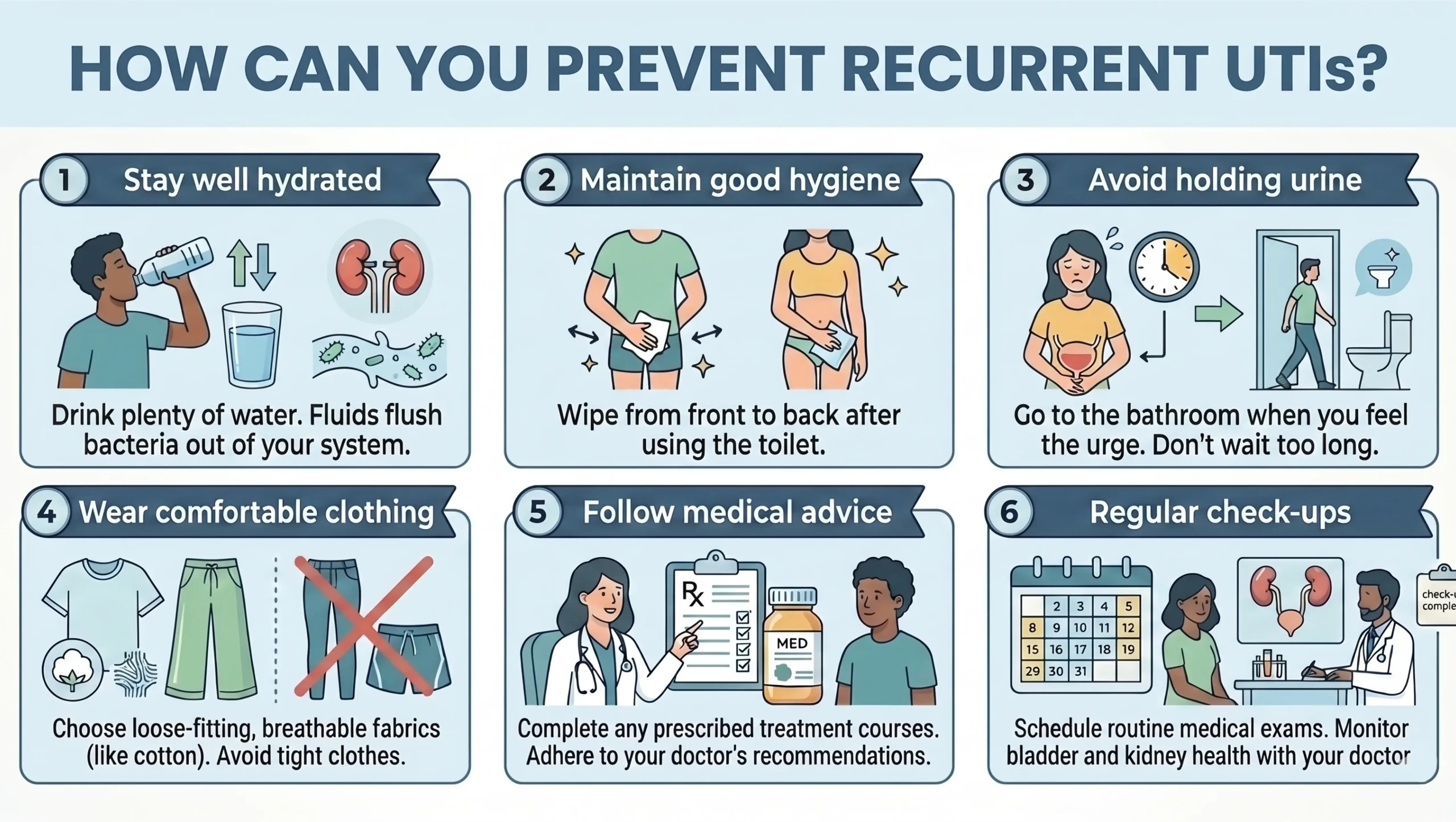
To prevent repeated UTIs, simple lifestyle changes and regular routines can be helpful in maintaining urinary health.
Stay well hydrated
Drinking enough water helps flush bacteria from the urinary tract. Staying hydrated throughout the day may help to avoid infection and maintain overall comfort.
Maintain good hygiene
Good hygiene will prevent the entry of bacteria into the urinary tract. Simple and consistent hygiene practices can go a long way in lessening repeat infections.
Avoid holding urine
Frequent bladder emptying is also useful to avoid bacterial growth. Naturally, one should not delay urination or ignore natural urges.
Wear comfortable clothing
Wearing breathable and comfortable clothes can also help to keep the body dry and minimize irritation, which supports better urinary health.
Follow medical advice
When you have had UTIs in the past, it is essential to adhere to the instructions of your doctor. This may include certain tests or precautions depending on the state of your condition.
Regular check-ups
Regular check-ups will ensure that you recognize any areas of concern early and be assured of your health.
Do you wonder why you keep getting UTIs? When you know the reasons behind frequent UTIs in women, you can have control over your health.
Although recurring infections may be uncomfortable, the positive aspect is that in most cases, they can be treated through simple lifestyle modifications, awareness and early medical advice.
By taking the right steps, you can take care of your urinary health and feel more confident in managing your urinary health every day.
Recurrent UTIs may be linked to incomplete treatment, dehydration, hygiene habits, sexual activity, hormonal changes, or underlying health conditions such as diabetes.
2. How can I prevent UTIs from coming back?
Staying hydrated, avoiding holding urine for long periods, practicing good hygiene, and following your doctor’s advice may help reduce recurrence.
3. Are recurrent UTIs common in women?
Yes, recurrent UTIs are common and can often be managed effectively with proper medical guidance and preventive measures.
4. When should I see a doctor for recurrent UTIs?
If you have frequent infections, symptoms that persist, or worsening discomfort, it is advisable to consult a doctor.
5. Can lifestyle changes help reduce recurrent UTIs?
Yes, simple lifestyle adjustments may play an important role in lowering the risk of repeated infections.
6. Is it safe to ignore recurring UTIs?
No. Frequent UTIs should be evaluated to identify possible underlying causes and receive appropriate care.
Some women may be more prone to UTIs after sexual activity due to bacteria entering the urinary tract. Preventive measures and medical advice may help reduce the risk.
Yes, hormonal changes during menopause may increase vulnerability to urinary infections in some women.
In some cases, frequent UTIs may be linked to conditions such as diabetes, kidney stones, or bladder-related concerns, which may need medical evaluation.
Staying well hydrated may help flush bacteria from the urinary tract and can support efforts to reduce the risk of recurrent infections.