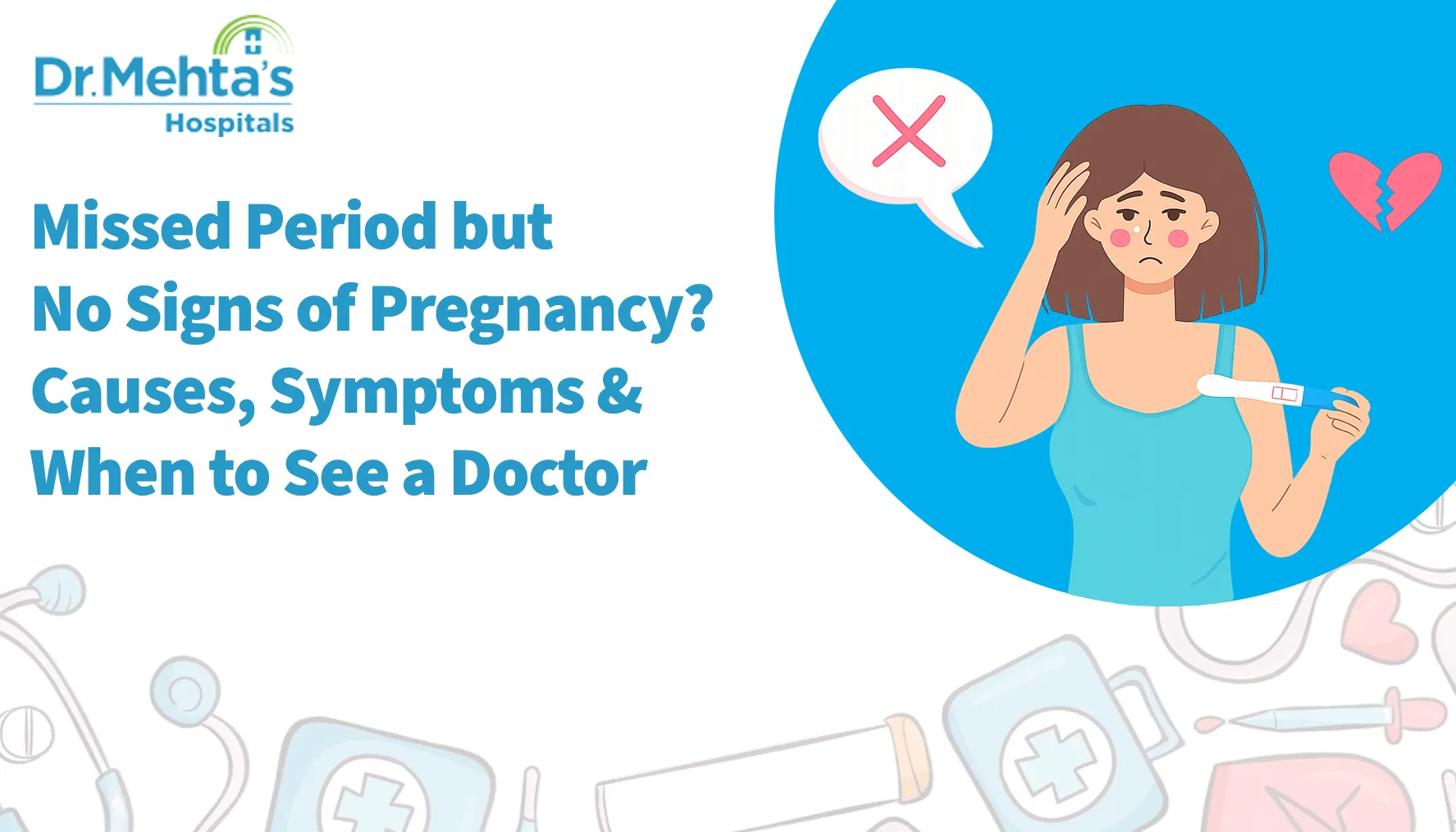
When a period is missed, it can be alarming, particularly when pregnancy is not anticipated or pregnancy tests are negative. Pregnancy is one of the most frequent causes of not having a period, but it’s not the only one. Many things can impact the menstrual cycle, including stress, hormonal shifts, lifestyle changes, and various health issues.
The menstrual cycle is controlled by a complicated interaction between the brain, the ovary, the thyroid gland, and reproductive hormones. Any minor disturbance may impact the timing of ovulation and menstruation from time to time. Knowing what may cause a missed period can help women know when the missed period is temporary and when medical evaluation should be considered.
A missed period, called amenorrhoea, is when a girl or woman doesn’t get her period when she’s supposed to. If a woman has had regular periods, a missed period may be more than a few days late. Menstrual cycles do vary, however, and a healthy cycle is around 21 to 35 days.
Primary amenorrhoea is when periods have not started by the age when they are expected to, and secondary amenorrhoea is when periods occur regularly, or at irregular intervals, and stop for three consecutive periods or six months. The pattern and duration of amenorrhoea can offer valuable insights that help healthcare professionals determine the most appropriate investigations and treatment approach.
When a period is late, a common thought is that it may be due to pregnancy, but other factors can affect period regularity. The menstrual cycle is controlled by the complex regulation of the hypothalamic-pituitary-ovarian (HPO) axis. Any disruption to this system could lead to irregular or missed periods.
Available evidence from national surveys and regional clinical research by PubMed Central suggests that irregular menstrual cycles are a common concern among Indian women. Approximately one in two women may experience some form of menstrual irregularity during their reproductive years, while studies conducted across different parts of the country have reported that the prevalence of menstrual disturbances, including delayed or missed periods, can vary widely from around 24% to more than 85%, depending on factors such as age, lifestyle, and geographical location.
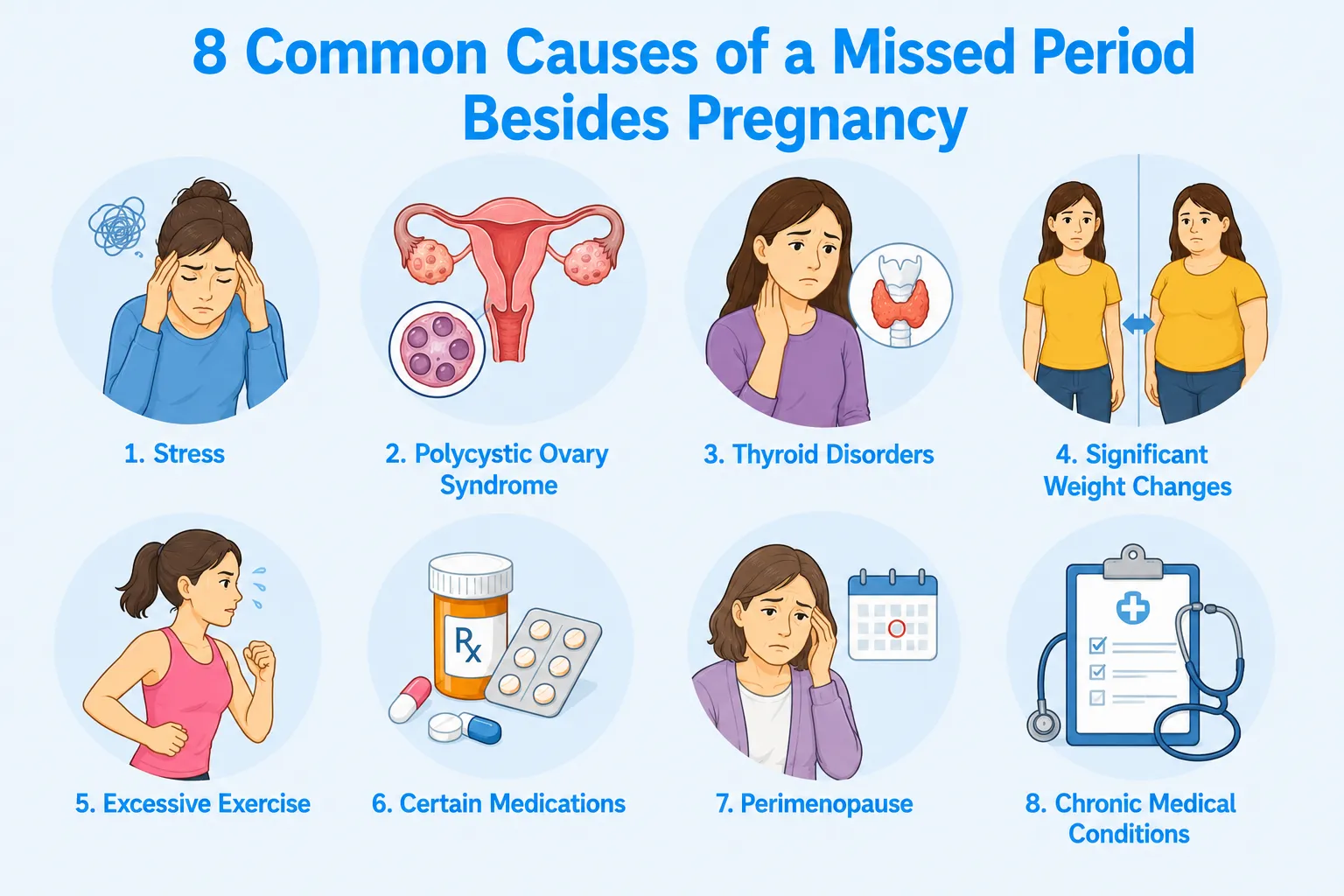
Many things can impact menstrual timing and ovulation, including lifestyle changes, emotional stress, excessive physical activity, significant weight loss or gain, thyroid disorders, polycystic ovary syndrome (PCOS), and certain medications. Knowing these possible reasons can help women decide when to check for symptoms and when to ask the best PCOD doctors in Chennai for advice.
Research by the Economic Times suggests that nearly 50% of women in India experience irregular menstrual cycles at some point during their reproductive years. Although occasional variations in the menstrual cycle can be normal, ongoing irregularities should not be overlooked. Persistent changes in period patterns may be associated with underlying health conditions such as PCOS, hormonal imbalances, anaemia, thyroid disorders, and fertility-related issues. Early evaluation and appropriate medical care can help identify the root cause and support better long-term reproductive health.
Delayed or missed periods can be related to several health and lifestyle issues. Some causes may be temporary and pass on their own, while others might require evaluation and treatment by a medical professional.
The hypothalamus, which controls reproductive hormones, can be affected by either physical or emotional stress. Increased levels of stress hormones, such as cortisol, may temporarily disrupt ovulation and delay menstruation. When stress levels are reduced, periods often go back to normal.
One of the most prevalent hormonal issues related to irregular periods is known as polycystic ovary syndrome (PCOS). It is known for its hormonal imbalances, which can disrupt normal ovulation and cause irregular or absent periods. Other symptoms can include acne, abnormal growth of facial or body hair, and weight problems.
Hypothyroidism and hyperthyroidism may cause irregular periods due to the disturbance of the hormonal interactions that are essential to ovulation. Fatigue, weight changes, hot or cold intolerance, and thinning hair are common symptoms of thyroid dysfunction, which may also include missed periods, changes in menstrual flow, or irregular cycles in women. If there is continued menstrual irregularity, thyroid function tests may be ordered.
Significant weight loss, gain, or being underweight can affect reproductive hormones. Low body fat percentage can have a negative impact on ovulation, and excess body fat can affect oestrogen metabolism and hormonal balance. Maintaining a healthy weight can help regulate your period.
High levels of physical activity, especially in relation to low caloric intake, may influence the hypothalamic-pituitary-ovarian (HPO) axis and cause disruption of ovulation. This is more prevalent in athletes or people who do lots of endurance training. When energy and exercise levels are balanced, menstrual cycles often improve.
Certain medicines may affect hormones and menstrual periods, which can cause irregular or missed periods. Medications used to treat cancer, depression, and other conditions can disrupt the menstrual cycle, such as hormonal contraceptives, anti-depressants, anti-psychotics, and corticosteroid drugs. If women starting a medication notice new menstrual changes, they should speak with their health care provider about their concerns. When prescribed medicines are part of your treatment plan, ensuring they are sourced from a trusted and reliable pharmacy in Chennai can help support safe and uninterrupted care.
Perimenopause is a natural stage that usually occurs in women who are nearing the end of their reproductive years, marked by changes in reproductive hormones. At this time, there are irregular periods, lighter and heavier periods, or sometimes no periods at all. Other symptoms such as hot flashes, mood changes, and sleep disturbances may also occur.
Sometimes, menstruation is affected by underlying health issues, such as diabetes mellitus, coeliac disease, pituitary disorders, and other endocrine disorders. All these factors can affect hormone levels, changes in metabolism or ovulation, and lead to irregularities in the cycle. Having an underlying medical condition managed well can help to improve menstrual health.
Symptoms may include a missed period or other symptoms, depending on the cause. Knowing what symptoms to expect can help determine if there is a hormonal imbalance, lifestyle changes, or a medical condition that may be influencing menstrual periods.
Women might see that their periods get more irregular, earlier or later, or missing. If the changes in cycle length persist for several months, they should be monitored and discussed with a healthcare professional. Your doctor may also suggest appropriate lab tests in Chennai to evaluate hormone levels, identify underlying health concerns, and support timely diagnosis and treatment.
Breast fullness or sensitivity may be caused by changes in levels of oestrogen and progesterone hormones. This symptom may happen before menstruation, or along with delayed periods due to other hormonal shifts.
Women may feel bloated or full during the hormonal fluctuations that occur during their periods. Bloating can happen along with other menstrual symptoms, even if periods are delayed.
Low or uneven levels of some hormones, including those found in PCOS, can trigger acne outbreaks or excessive oil production. If there are ongoing skin changes in conjunction with irregular periods, this may be a sign of something more serious.
Thyroid and stress levels or other endocrine changes may lead to chronic fatigue and low energy. Fatigue accompanied by recurrent menstrual irregularities should not be overlooked.
Weight gain or weight loss for unknown reasons can indicate a hormonal imbalance that is affecting menstrual function. Weight gain and loss may affect cycle regularity and ovulation.
The excess production of androgens can lead to excess growth of facial or body hair in certain conditions (e.g., PCOS). On the other hand, thyroid dysfunction can cause diffuse hair thinning in addition to the menstrual changes.
| Symptoms | Pregnancy | Other Causes |
| Menstrual Changes | A missed period is often one of the earliest signs | Periods may become delayed, irregular, or occasionally skipped |
| Hormonal Changes | Elevated human chorionic gonadotropin (hCG) levels support pregnancy | Changes in thyroid hormones, prolactin, stress hormones, or ovarian hormones may affect menstruation |
| Common Symptoms | Nausea, breast tenderness, fatigue, increased urination | Acne, weight changes, stress-related symptoms, thyroid symptoms, excessive hair growth, or hot flashes, depending on the cause |
| Duration | Menstruation typically stops throughout pregnancy | Menstrual irregularities may be temporary or persist depending on the underlying condition |
| Next Steps | Home pregnancy testing and medical confirmation are recommended | Clinical evaluation, hormonal testing, and assessment of contributing factors may be advised if periods remain irregular |
The first step in diagnosis is a thorough medical history and physical exam. Physicians might inquire about any changes in periods, exercise routine, weight loss or gain, stress, thyroid issues, hair changes, acne, fatigue, or sexual activity and associated symptoms. Knowing this information can help narrow down the cause of irregular periods.
Investigations are specific to the person’s symptoms and medical background. The first step in evaluating a missed period is usually a pregnancy test. Further tests may include thyroid function tests (TSH, Free T4), prolactin levels, blood glucose tests, and reproductive hormone tests (follicle-stimulating hormone (FSH), luteinising hormone (LH)). Sometimes an ultrasound of the pelvis is done to look at the uterus and ovaries, especially if there are conditions like PCOS involved. These assessments are used to determine the root cause and then to treat it accordingly.
Supporting a healthy menstrual cycle requires good overall hormonal and reproductive health through balanced lifestyle choices. Remember that there are some natural changes in menstruation that may happen, but regular self-care can help make the cycles more regular and healthier. These measures are particularly beneficial when menstrual changes are related to modifiable lifestyle factors.
Some women may miss their periods from time to time and not have any medical problem. If you do not have your periods for at least three days for three consecutive periods, or if you have irregular periods often, or if you notice a major change in how long or how heavy your periods are, you should get a medical evaluation.
If periods have been missed and other symptoms are present, such as unexplained weight change, persistent fatigue, facial or body hair growth, very bad acne, nipple discharge not related to breastfeeding, thyroid-related symptoms, or pelvic pain, medical advice should be sought earlier. Early assessment may aid in the diagnosis of PCOS, thyroid disorders, hyperprolactinaemia, or other endocrine issues.
At Dr Mehta’s Hospitals, experienced specialists in Velappanchavadi provide comprehensive evaluation and personalised care for menstrual and hormonal health concerns, helping women achieve better reproductive well-being.
It is not unusual for people to worry about missing a period, especially if pregnancy has been excluded. But keep in mind that there are multiple reasons for menstrual irregularities, from stress and lifestyle changes to hormonal issues like PCOS and thyroid disorders. Being aware of other symptoms and an understanding of your normal menstrual cycle will help you know when it might be useful to seek medical advice.
The good news is that many of the causes of missed periods can be successfully diagnosed and treated with timely evaluation and proper treatment. When menstruation becomes irregular or when there are concerns about reproductive health, it is beneficial to seek advice from healthcare professionals for clarity, support, and personalised care. If you are looking for expert guidance and compassionate support, consider consulting one of the top multispeciality hospitals in Chennai for timely evaluation, accurate diagnosis, and personalised treatment tailored to your needs.
Yes. Emotional or physical stress can affect the hypothalamus and temporarily disrupt ovulation, leading to delayed or missed periods.
2. How long can a period be delayed before I should be concerned?
If your period is more than a week late and pregnancy has been ruled out, monitoring symptoms is reasonable. However, missing three consecutive periods warrants medical evaluation.
3. Can PCOS cause missed periods?
Yes. PCOS commonly affects ovulation and is one of the leading causes of irregular or absent periods.
4. Can thyroid problems lead to missed periods?
Both hypothyroidism and hyperthyroidism can disrupt hormonal balance and contribute to menstrual irregularities.
5. Is it possible to miss a period and not be pregnant?
Yes. Stress, hormonal changes, excessive exercise, medications, weight fluctuations, and certain medical conditions can all contribute to missed periods.
6. Can excessive exercise affect menstruation?
Intense physical activity, especially when combined with inadequate calorie intake, may interfere with ovulation and menstrual regularity.
7. When should I take a pregnancy test after missing a period?
Most home pregnancy tests provide reliable results after a missed period. If the result is negative and menstruation does not occur, repeat testing or medical advice may be recommended.
8. What tests are used to investigate missed periods?
Doctors may recommend pregnancy tests, thyroid function tests, hormone assessments, blood glucose testing, and pelvic ultrasound depending on individual symptoms.
9. Can weight changes affect menstrual cycles?
Yes. Significant weight gain or weight loss may alter reproductive hormone levels and affect ovulation.
10. Which specialist should I consult for persistent missed periods?
A gynaecologist can evaluate menstrual concerns, while an endocrinologist may be involved if hormonal conditions such as thyroid disorders are suspected.