
Table of Contents
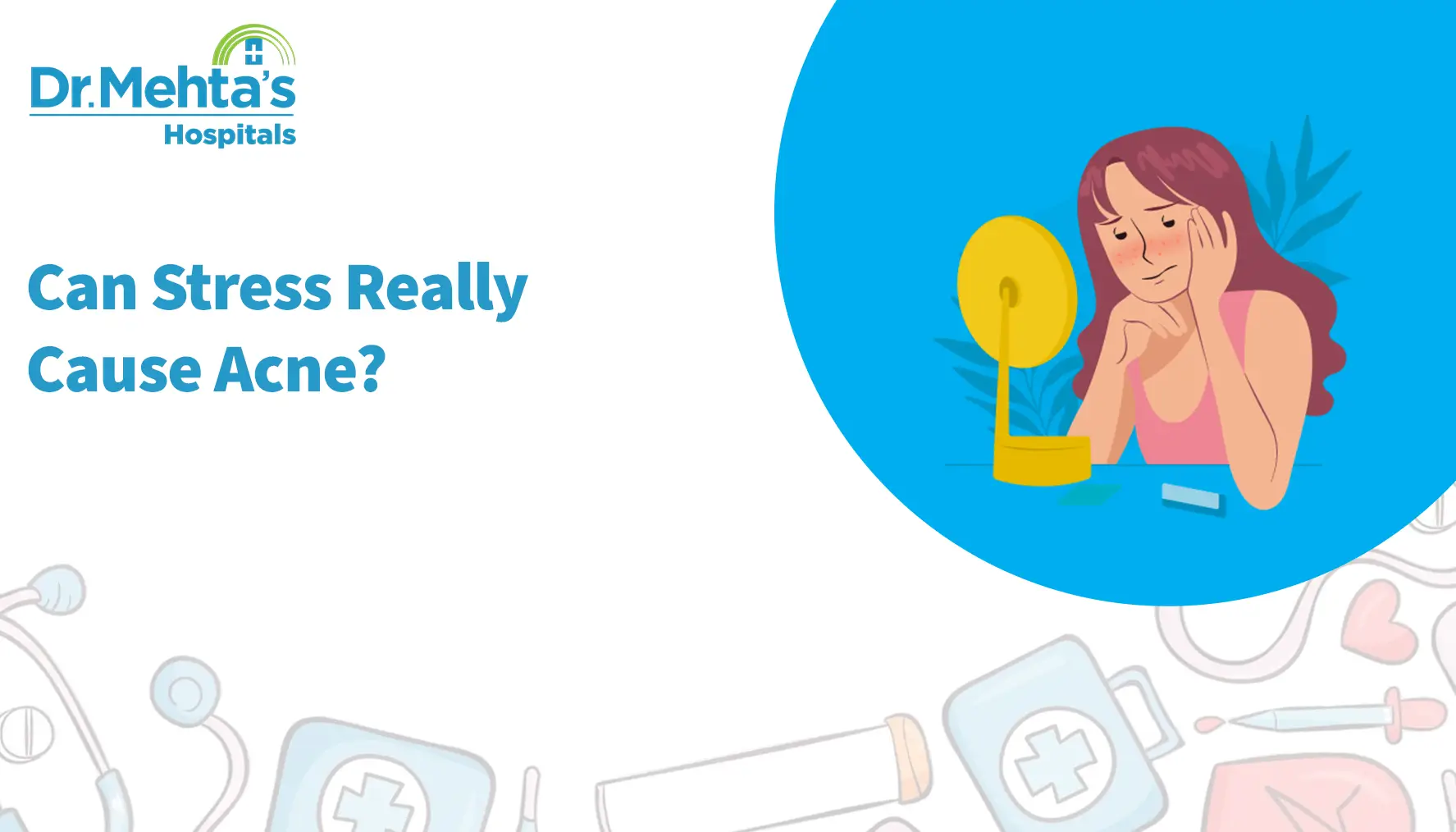
Have you ever noticed new breakouts appearing during important exams, events, work deadlines, sleepless nights or particularly stressful periods? If the timing seems too consistent to be a coincidence, you may have wondered, Is stress actually causing my acne?
The short answer is: stress does not usually cause acne on its own, but it can worsen existing acne and trigger more frequent or severe breakouts in people who are already prone to acne.
Understanding that distinction matters. Acne can have several contributing factors, including genetics, hormonal changes, certain medications and other underlying conditions. Stress is one piece of the puzzle, rather than the whole picture.
Acne is a chronic inflammatory skin condition with multiple contributing factors. It develops through processes involving increased sebum production, abnormal follicular keratinisation, changes involving Cutibacterium acnes and inflammation. Genetic and hormonal factors can also influence a person’s susceptibility to acne.
Psychological stress does not independently initiate all these processes in otherwise healthy skin. Instead, in people who are already genetically or hormonally predisposed to acne, stress can activate neuroendocrine pathways that may amplify processes involved in acne development.
Research has found an association between psychological stress and worsening acne. In a prospective study of university students, acne severity and perceived stress were both higher during examination periods, and increasing stress was significantly associated with increased acne severity even after accounting for factors such as sleep and diet.
A more recent systematic review also found that most of the studies examining stress and acne reported a significant association between psychological stress and acne severity, although much of the available evidence remains observational.
So, can stress cause acne? Not usually by itself. Stress is better understood as a trigger or disease modifier that can worsen acne in people who are already susceptible to it.
The relationship between stress and acne involves interconnected neuroendocrine and immune pathways, often described as the brain-skin or skin-brain axis.
When the body experiences psychological stress, the brain and stress-response systems release signalling molecules and hormones that can influence the skin. Current research describes pathways involving corticotropin-releasing hormone (CRH), adrenocorticotropic hormone (ACTH), cortisol, inflammatory mediators and other neuroendocrine signals.
These changes may affect acne in several ways.
Stress can influence the skin’s sebaceous glands and increase oil production. Increased oil can contribute to clogged pores and create conditions that favour acne flare-ups, particularly in people who are already acne-prone.
Acne is an inflammatory condition. Stress-related changes in inflammatory signalling may contribute to greater inflammation, making existing lesions more noticeable or severe.
Emerging research suggests that psychological stress can affect the skin barrier and alter the skin microbiome. These changes may contribute to inflammation and interfere with the skin’s ability to recover effectively.
When several of these processes occur together, new lesions may develop more readily while existing breakouts may take longer to settle.
This helps explain why a stressful period can sometimes seem to show up on your skin.
The connection is not limited to what happens inside the skin.
When people are under significant stress, their everyday routines can change as well. Sleep may become irregular, meals may be skipped, dietary habits may change, and some people may touch, pick or squeeze their skin more often.
These behaviours can contribute to acne flare-ups. The examination-stress study found that changes in acne severity were associated with stress even after accounting for changes in sleep and diet, suggesting that psychological stress itself may play an important role.
The American Academy of Dermatology also notes that stress can worsen acne and that insufficient sleep and certain other lifestyle factors may contribute to breakouts.
In other words, a stressful period can influence acne through both physiological stress responses and changes in everyday habits.
Not everyone who experiences stress will develop acne. People who are already susceptible to acne may be more likely to notice stress-related flare-ups.
Acne is particularly common during adolescence and young adulthood, when hormonal changes can increase oil-gland activity. Acne can also persist into adulthood.
If your skin is already prone to excess oil and breakouts, periods of stress may make the condition more difficult to control.
Adult acne can have several contributing factors, including hormonal fluctuations. Adult-onset acne can occur for the first time in adulthood, and hormonal changes are among the recognised contributors.
When acne occurs alongside irregular menstrual cycles, excessive facial or body hair, scalp hair thinning or unexplained weight gain, it is important not to assume that stress is the only explanation. These symptoms may warrant evaluation for an underlying hormonal condition.
If stress can worsen acne, can managing stress make your skin better?
It may help, particularly when stress is one of your acne triggers, but stress management should complement acne treatment rather than replace it.
Adequate sleep, regular physical activity and stress-management approaches can support overall well-being. Smaller clinical studies have also explored psychological interventions alongside dermatological treatment, with some reporting improvements in acne severity and quality of life. However, the evidence remains limited and larger studies are needed.
A practical approach is therefore:
Manage the stressors you can control + maintain a consistent skincare routine + seek appropriate medical treatment when necessary.
Stress management is supportive care. It is not a substitute for treating acne itself.
This is particularly important if your acne is persistent or has started suddenly in adulthood.
Acne can have multiple contributing factors, including:
For example, adult acne may be associated with hormonal fluctuations, family history, medications and certain skin or hair care products.
This is why blaming every breakout on stress can sometimes delay the identification of another contributing factor.
If your acne is persistent, severe, rapidly worsening or appearing for the first time in adulthood, a medical evaluation can help determine what may be contributing to it.
Reality: Stress can worsen existing acne but acne is a multifactorial condition. Genetics, hormones, medications and other factors can also contribute.
Reality: Managing stress may help reduce flare-ups, but it does not replace evidence-based acne treatment when treatment is required.
Reality: A sudden or persistent breakout may have other causes. If acne is severe, worsening or accompanied by other symptoms, it is worth getting evaluated rather than assuming stress is responsible.
You should consider medical evaluation if your acne:
Early assessment can help identify contributing factors, guide appropriate treatment and reduce the risk of acne worsening and permanent scarring. Dermatologists can also determine when prescription treatment is appropriate.
Women should also consider evaluation if acne occurs with irregular menstrual cycles, excessive facial or body hair, scalp hair thinning or unexplained weight gain, as these symptoms may point towards an underlying hormonal issue.
Acne treatment is not the same for everyone. The appropriate approach depends on factors such as the type and severity of acne, how long it has been present, whether it is leaving scars and whether there may be an underlying hormonal or medical contributor.
A dermatologist can assess the skin, identify possible contributing factors and determine an appropriate treatment plan. Depending on the individual, treatment may involve topical medicines, oral medicines or other therapies.
If you are looking for a dermatologist in Chennai for persistent acne, sudden adult-onset breakouts or recurring flare-ups, specialist evaluation can help determine whether stress is the main trigger or whether another factor needs attention.
At Dr. Mehta’s Hospitals, the Dermatology department provides personalised consultation and treatment for acne, teenage acne and a range of other skin conditions. The department has dermatologists at its Chennai centres and offers evaluation for both common and complex skin concerns. Explore Dermatology at Dr. Mehta’s Hospitals.
Dr. Mehta’s Hospitals is a best dermatology hospital in Chennai according to its current website positioning and is also a best multispecialty hospital in Chennai, with multiple specialties available across its Chetpet and Velappanchavadi centres.
This multispecialty setup can be particularly relevant when a skin concern may have a wider medical or hormonal connection and requires evaluation beyond dermatology alone.
Stress may not be the root cause of your acne, but it can make existing acne worse.
Acne is a multifactorial inflammatory condition influenced by genetics, hormones, skin biology, immune responses and environmental factors. Stress is one of those factors.
So, if your breakouts seem to appear whenever life becomes more stressful, you are not imagining the connection. But if acne continues, becomes severe, leaves scars or appears suddenly in adulthood, it is important to look beyond stress and identify the underlying contributors.
Managing stress can be part of healthier skin care, but persistent acne deserves appropriate medical attention.
Concerned about persistent or worsening acne? Consult the Dermatology team at Dr. Mehta’s Hospitals for an evaluation tailored to your skin and health needs. Book a Dermatology Appointment at Dr. Mehta’s Hospitals.
Table of Contents
Recent Post
About us

Dr. Mehta’s Hospitals is a leading multispecialty hospital in Chennai with over 90 years of excellence. With 400+ beds and 50+ specialties, its Chetpet and Velappanchavadi centers offer advanced, state-of-the-art, compassionate care under one roof.
Chetpet Contact Details
Velappanchavadi Contact Details
Feel free to ask your queries on

Our Specialities

About us
Dr. Mehta’s Hospitals is a leading multispecialty hospital in Chennai with over 90 years of excellence. With 400+ beds and 50+ specialties, its Chetpet and Velappanchavadi centers offer advanced, state-of-the-art, compassionate care under one roof.
Chetpet Contact Details
Velappanchavadi Contact Details
Feel free to ask your queries on

Our Specialities
Quick Links
Center Of Excellence
We use cookies to improve your browsing experience, remember your preferences, and analyse site traffic. Some cookies are essential for the site to function, while others help us improve our services. By continuing to use our website, you agree to our Privacy Policy.