
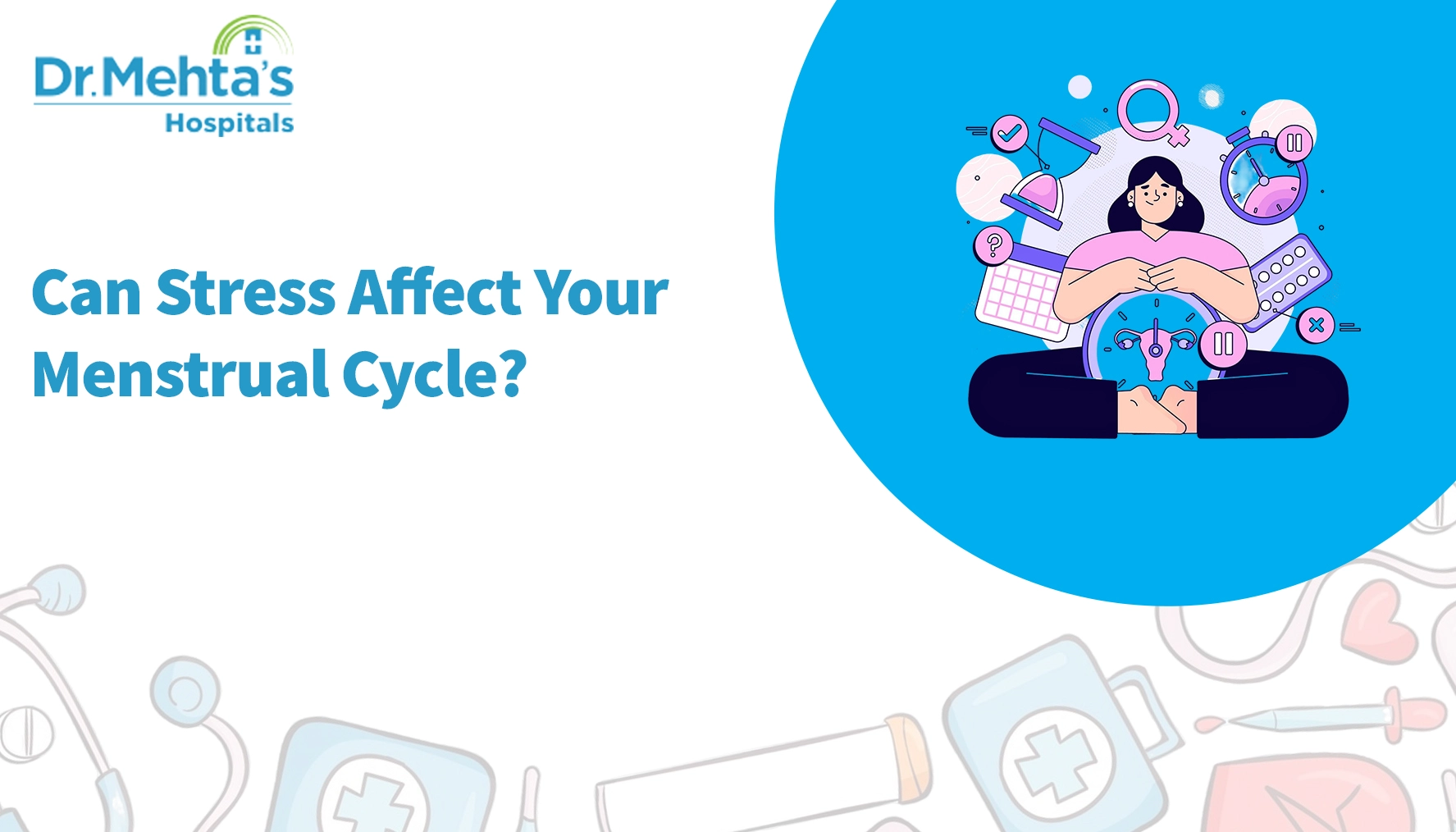
When a woman’s life is stressful, or she is in a physically tiring period, she may realise that there are some changes in her menstrual cycle. At times, stress from work, emotional challenges, lack of proper sleep, or major lifestyle changes can affect the regularity of your menstrual cycle.
The menstrual cycle is tightly linked to the hormonal system, and stress can also affect the hormones in the body. This relationship can sometimes cause delays in periods, irregular periods, or changes in their flow.
The good news is that stress-induced menstrual changes are usually temporary and will improve when the body and mind are balanced again. For women, the connection between stress and hormones can be of immense help to them to take care of their overall well-being and reproductive health.
Stress is a natural reaction to emotional, mental, and physical pressures. The body produces hormones like cortisol and adrenaline during stressful times to manage the stressors.
Stress can cause hormonal shifts that can also affect the hormones involved in the menstrual cycle when it becomes constant and prolonged.
In India, stress and menstrual health are interconnected, with a study conducted by PubMed Central revealing that 60% to 75% of young girls and women experience an increase in stress, anxiety, or mood swings throughout their menstrual cycle. This doesn’t actually mean that all cases of delayed and irregular periods are attributed to stress, but that one of the reasons for delayed or irregular periods may be caused by stress.
Menstrual hormones are under the control of the brain. A region in the brain (hypothalamus) controls hormones that control ovulation and periods.
Stress can lead to an initial imbalance in functioning between the stress response and normal hormone balance. This can influence:
In this case, it might cause some women to experience changes in their periods during stressful periods. If these symptoms persist over time, it can be beneficial to seek advice from a trusted women’s care centre in Chennai to determine the underlying cause and manage a healthier hormonal balance.
Yes. Stressed periods can sometimes be delayed due to negative stress on the hormones involved in ovulation.
The body can take longer to go through its normal hormonal cycle during emotional or physical stress. This can occasionally cause:
The time it takes to delay is different for each person. Stress levels returning to normal and daily routines returning to normal in many cases lead to periods returning to their normal pattern.
Sometimes stress can lead to skipped menstruation or irregular periods.
Stress may cause the following changes in the menstrual period:
But other health concerns can cause irregular periods as well. Medical advice is required after a few months of irregular periods. It is best to consult with experts at a Chennai women’s health hospital to identify the condition early and recommend suitable treatment and care.
According to research by Breen et al., high stress levels may increase cortisol production in the body, which can interfere with hormones responsible for regulating the menstrual cycle. It is also believed that other hormone-related communication within the body can affect this process. Stress might affect one or more parts of the menstrual cycle. Here are some possible effects:
Stressful months can also result in feeling tired or emotional in some women. Remember, some cycles will change frequently and not necessarily mean there is a problem with your health.
Women may experience irregular periods from time to time because of stress, travel, lifestyle changes and no sleep. These changes are usually improved naturally when the body becomes more balanced. If your periods are still irregular or if they are different for several months, however, it is important to pay attention.
If you have a history of missed periods regularly, heavy bleeding, severe pain, excessive tiredness, dizziness, or changes in your period that are disrupting your life, you should speak with your doctor. Long-term hormonal shifts could occasionally be associated with thyroid hormone imbalance, PCOS or other reproductive health issues that warrant medical treatment.
Medical guidance early on will help to determine the true cause and to give reassurance. We are trained professionals who can offer a personalised and caring approach to women’s hormonal and menstrual health issues, ensuring that patients are supported and informed throughout their healthcare journey.
Yes. Stress can impact the menstrual cycle differently both in the short and long term.
Stress, particularly short stress periods like exams, travel, deadlines, and temporary emotional events, can lead to minor cycle changes that may pass and get better in a short amount of time.
Over time, chronic stress can impact hormone levels more. Are you sleeping well and working under chronic stress, or stressed about too much if it coincides with ongoing emotional stress? These may affect your periods more than. Additionally, long-term stress can have a negative impact on:
Taking care of both mental and physical health is important for maintaining proper hormonal balance in the body. Receiving complete therapy and rehabilitation support from a reliable wellness centre in Chennai can help improve both emotional well-being and overall physical health.
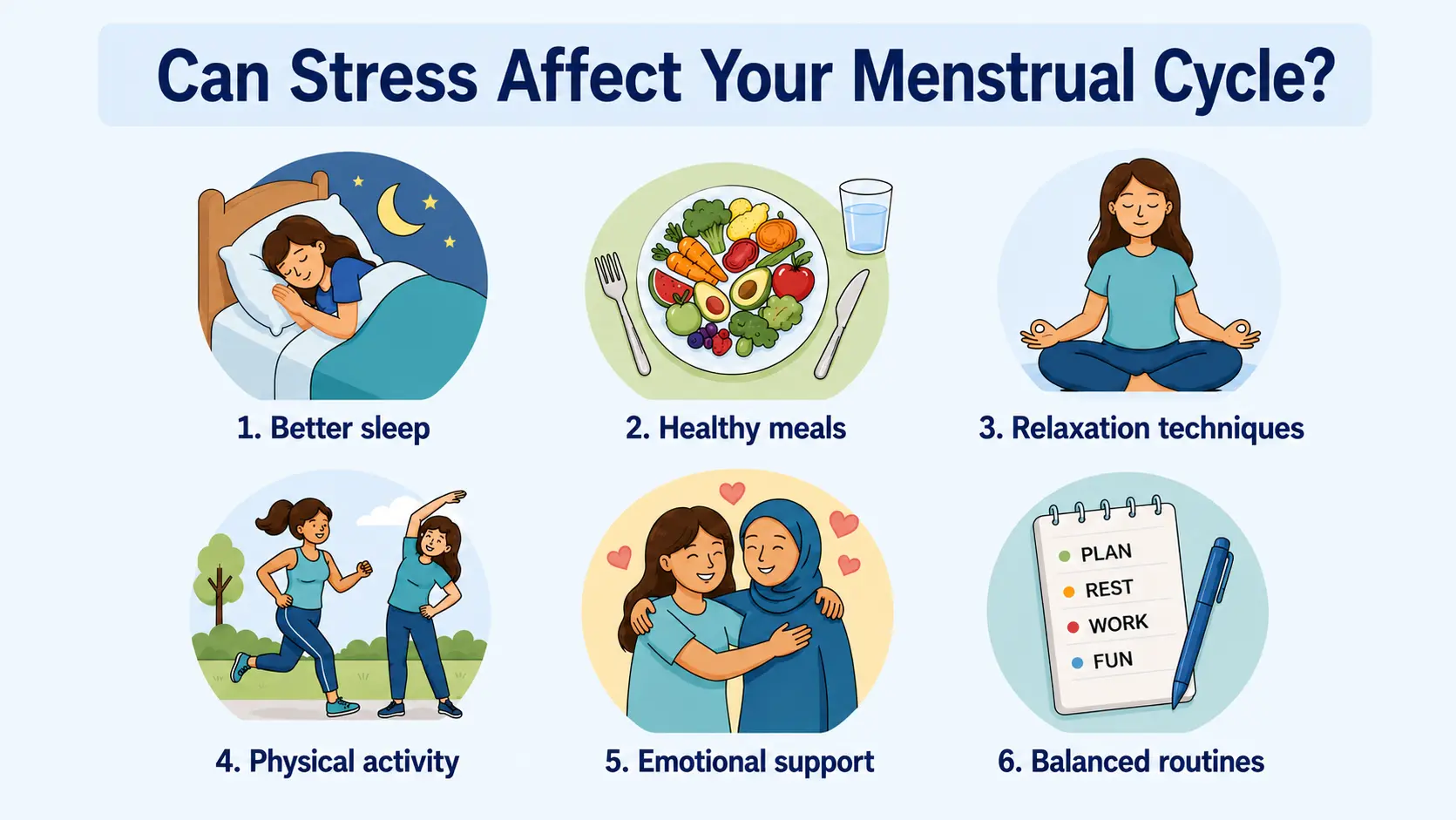
In many cases, yes. Menstrual changes caused by stress can be temporary and eased with stress management. Generally, responds well to:
If symptoms continue or get worse, you might want to talk with a health professional to figure out what is happening.
There are several factors that can affect periods, such as stress. Common influences are:
Therefore, it is useful to see the patient’s medical history if it is happening frequently; it is helpful to do this.
It’s important to note that there are simple, everyday habits that can help support a healthy hormonal balance and regular periods without resorting to synthetic chemicals or drugs. The important lifestyle habits are:
Maintaining emotional support systems: Emotions need to be nurtured to manage stress.
It is common for them to happen periodically due to stress, changes in lifestyle, travelling, or less sleep. In most instances, the changes level out naturally whenever the body gets more balanced once more. If periods are still irregular or if they become distinctly different for a few months, however, you should be aware of it.
If periods are missed often, bleeding that is very heavy, painful, or that results in changes in routine, you should see a doctor. Medical conditions such as disorders of the thyroid gland, PCOS, or other reproductive disorders may be linked to longer periods of symptoms, sometimes caused by hormonal imbalance.
Medical advice at an early stage can be helpful in determining the exact cause and providing reassurance. At Dr Mehta’s Hospitals, experienced specialists provide compassionate and personalised care for women’s hormonal and menstrual health concerns, helping patients feel supported and informed throughout their healthcare journey.
Stress and menstrual health are closely related, and stress, either physical or emotional, can sometimes affect the body’s hormone levels and menstrual cycles. Sometimes periods may be late, irregular, or heavier during stressful times in life.
The good news is that stress-related menstrual changes can be temporary and may be helped by healthy lifestyle behaviors, emotional balance, and good self-care. By focusing on sleep, nutrition, relaxation, and general wellness, hormonal health and everyday comfort can be supported.
For those experiencing changes to their periods or who are worried about them, it is beneficial to talk to a health care worker for clarity, support, and better guidance for continued health. Get in touch with our expert doctors to book your appointment now.
Yes. Chronic stress can affect hormones involved in menstrual cycle regulation, and can sometimes cause irregular or late periods.
2. Can stress delay ovulation?
Yes. High stress can cause temporary irregularities in ovulation for some women.
3. Are missed periods always caused by stress?
Not all periods are missed because of hormonal issues, thyroid problems, PCOS, pregnancy, or lifestyle changes.
4. Can stress make periods heavier or lighter?
During stressful times, some women might experience a change in their periods.
5. How long can stress delay a period?
This can take different amounts of time for different people. In many instances, this will return to normal once stress subsides.
6. Does lack of sleep affect menstrual health?
Yes. Low sleep quality can affect hormonal levels and menstrual health.
7. Can exercise help reduce stress-related cycle changes?
Exercise can help manage stress, hormones, and well-being.
8. Which foods support hormonal health?
Fruits and vegetables, whole grains, healthy fats, and water provide a balanced approach that can contribute to overall hormonal well-being.
9. When should I consult a doctor for irregular periods?
If periods are irregular for several months or symptoms impact daily living, medical attention should be sought.
10. Are stress-related period changes usually temporary?
In many cases, yes. As stress is reduced and good habits are developed, periods tend to normalise.