
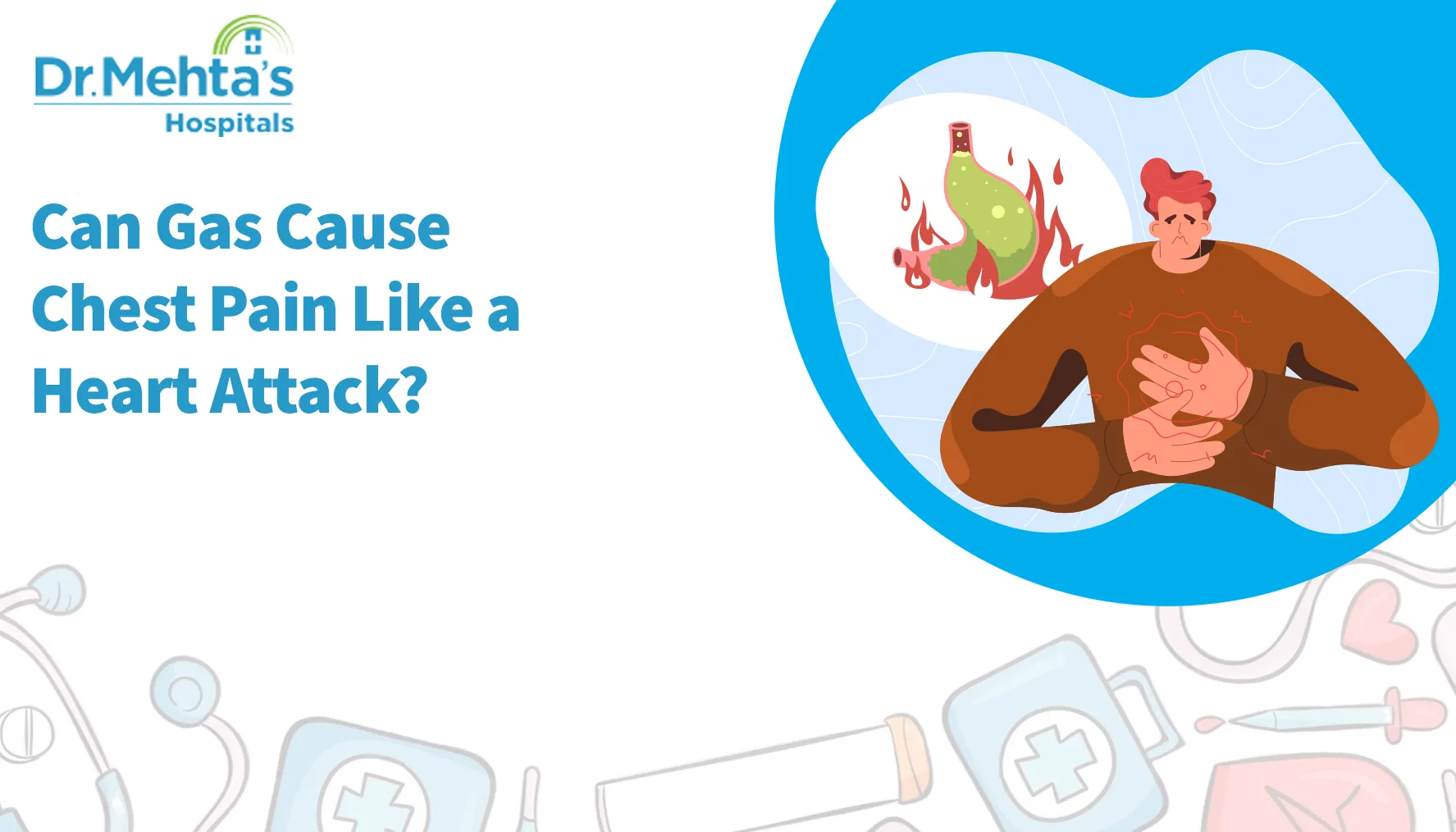
One of the most common symptoms that can cause immediate concern is chest pain. Heart pain is in the chest, and it’s common for many people to think that if they are having discomfort in that region, it must be a heart attack. Chest pain can be frightening, but it doesn’t necessarily indicate a heart problem. Occasionally, digestive issues, such as flatulence, bloating, or acid reflux, may be mistaken for heart-related symptoms.
Differentiating chest pain due to gas pain versus chest pain due to heart pain can assist individuals in understanding their reactions and what to do should they experience pain that requires urgent treatment. Gas pain can be short-lived and easy to treat, but when pains in the chest are persistent, severe, or there are other symptoms involved, you should not ignore them. Learning each type of pain will provide some relief and help move forward.
Yes, sometimes the pain in the chest is related to gas, and is sometimes heart-related. The trapped gas may build up, exerting pressure up toward the chest. This discomfort sometimes leads people to believe that they are suffering from a heart attack and may trigger anxiety symptoms.
But also remember that chest pain should always be carefully reviewed, particularly if it is sudden, intense, or if it is associated with breathlessness, dizziness, or pain in the arm or jaw. While digestive issues are frequent, a health care provider can assist in determining the cause with proper evaluation.
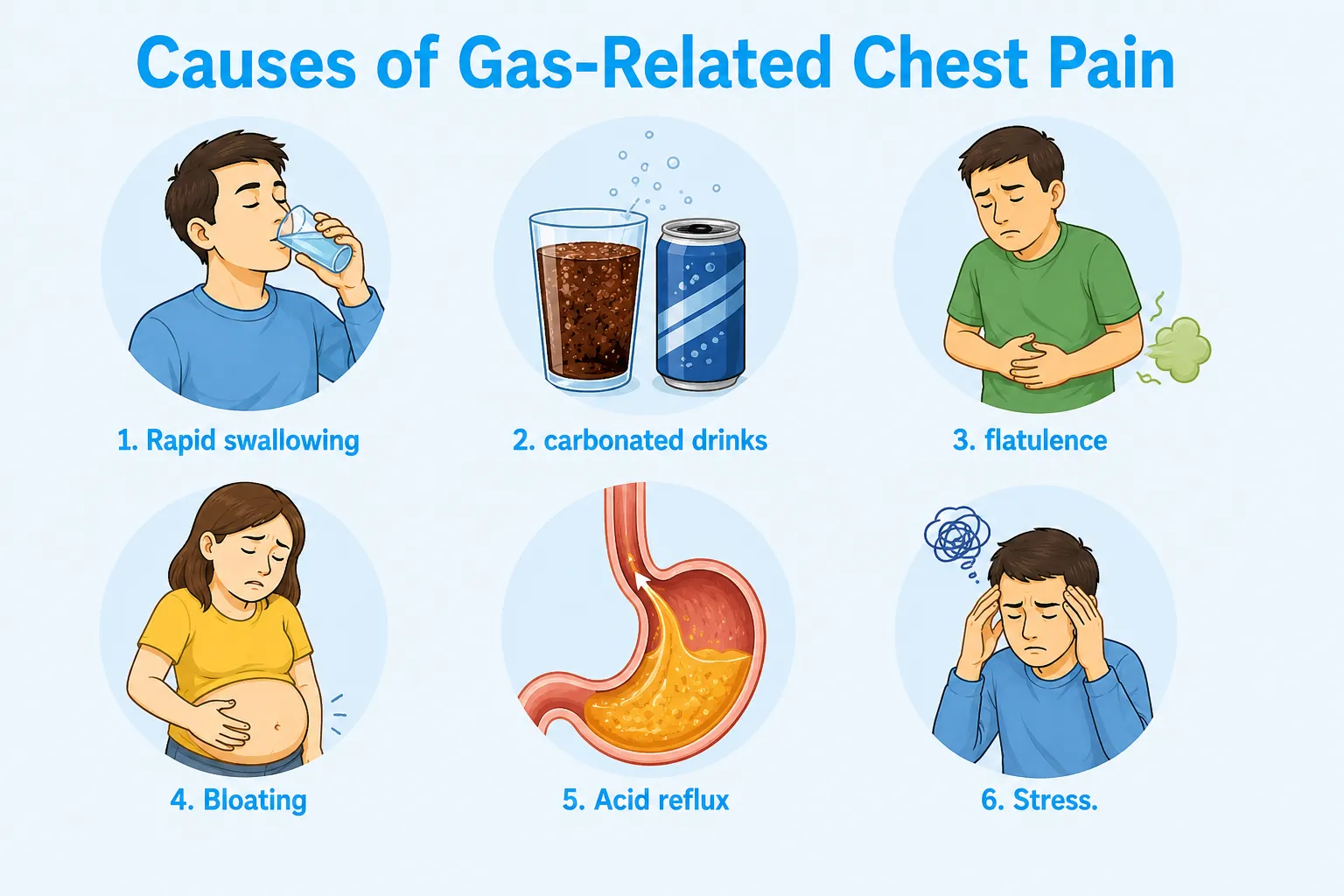
Backed by researchers and healthcare workers by Impact Factor, it’s estimated that 15% to 24% of all individuals who visit physicians with chest pains are ultimately diagnosed with digestive discomforts like acidity, GERD, or gas. Gas pains in the chest are frequent symptoms when gases accumulate within the digestive system. This buildup can happen due to several reasons, including:
These are typically treatable, but if digestive problems occur regularly, consult a health care provider. When the chest pain is persistent, recurrent, or when symptoms like shortness of breath or dizziness occur, it is advisable to meet the best interventional cardiologist in Chennai to rule out any cardiovascular issues that may be present and receive timely treatment.
About 11% to 16% of patients visiting Indian emergency departments with unexplained chest pain are found to have digestive issues like gas or acid reflux as the cause. Chest pain with gas can be different for each person. The symptoms can differ between individuals, ranging from a sudden, sharp discomfort to a sensation of pressure or bloating around the upper abdomen and chest. The discomfort may:
These symptoms may be common to other diseases, so do not depend on self-diagnosis.
|
Symptom |
Gas-Related Chest Pain |
Heart-Related Chest Pain |
|
Common Trigger |
Often occurs after meals or with indigestion | May occur during physical exertion or emotional stress |
| Pain Location | Upper abdomen or chest, sometimes shifting |
Usually, central or left-sided chest discomfort |
|
Type of Sensation |
Sharp, bloating, pressure, or fullness | Tightness, squeezing, heaviness, or pressure |
| Associated Symptoms | Burping, bloating, abdominal discomfort |
Breathlessness, sweating, nausea, dizziness |
|
Relief Pattern |
May improve after passing gas or changing position | Often persists despite rest or position changes |
| Duration | Usually temporary and intermittent |
May last several minutes or recur repeatedly |
|
When to Seek Medical Care |
If your symptoms continue or become more severe | Seeking prompt medical attention is strongly advised |
While these discrepancies may provide important clues, only a health care professional can properly identify the cause of a person’s chest pain. After your consultation, there are trusted services available, such as the home delivery of prescribed medication by a reliable online pharmacy in Chennai, which can help you maintain uninterrupted access to your treatment plan for added convenience.
The digestive system and the heart are situated near each other in the chest and upper abdomen. In some cases, pain caused by digestive problems can be felt in the chest instead of the abdomen.
Gas under the diaphragm can lead to feelings of pressure that travel up the body. Also, there can be some overlap in symptoms because of nerve pathways supplying digestive organs and chest structures. That’s one of the reasons why differentiating between digestive and cardiac causes based on symptoms can be difficult. If you’re not sure, you should always go to the doctor.
Although it may not be possible to completely avoid discomfort from gas, some lifestyle steps can help to minimize its occurrence. Here are some helpful strategies:
These easy tips can contribute to digestive comfort and decrease gas-related chest discomfort. If your symptoms do not improve or need further evaluation, the best doctor in Velappanchavadi may recommend certain tests to identify the underlying cause and plan appropriate treatment.
When chest pain is believed to be due to gas, there are several things that can help. These may include:
If symptoms last more than once or keep coming back, a health care professional should assess them for any underlying digestive disorders.
If a person suddenly develops severe chest pain, or if the pain is accompanied by shortness of breath, dizziness, sweating, nausea, or pain that radiates to the arm, neck, jaw, shoulder, or back, that person should be evaluated immediately. Risk factors, including diabetes, high blood pressure, high cholesterol, smoking history, obesity, and a family history of heart disease, should warrant special attention.
If chest pain or discomfort is mild, but it is persistent or recurring, it cannot be ignored. Early medical evaluation will help identify if the pain is from the heart, digestive tract, or another cause. Evaluation at the right time gives reassurance and can help decide on the right treatment if necessary.
At Dr Mehta’s Hospitals, experienced specialists provide comprehensive evaluation for chest pain using advanced diagnostic tools to help identify the cause and guide patients toward the most suitable treatment approach.
At times, chest pain caused by other conditions can feel similar to heart-related pain and may be worrying. Digestive problems like bloating, indigestion, or trapped gas are common causes of temporary discomfort in the chest, but it is not safe to assume that all chest pain is harmless.
It is important to understand the distinction between a gas-related pain and a heart-related chest pain in order to be able to identify the signs of danger and request timely medical care if necessary. Persistent, severe, or chest pain with concerning symptoms is a sign that medical evaluation is needed immediately. Many cases of chest pain can be successfully treated with timely assessment and appropriate advice, offering reassurance and better overall health. Seeking care from the best private multispeciality hospital in Chennai ensures access to comprehensive expertise and coordinated support when you need it most.
Yes, trapped gas and digestive discomfort can sometimes lead to chest pain, which can be mistaken for heart-related pain.
2. How can I tell if chest pain is caused by gas?
Bloating, burping, or relief after gas are often associated with gas-induced pain, but if symptoms are unclear, it is important to be seen by medical personnel.
3. What foods commonly trigger gas-related discomfort?
Some people get more gas from beans, lentils, carbonated drinks, some dairy products, and high-fibre foods.
4. Can stress contribute to gas-related chest pain?
Emotional stress can sometimes affect gut health, leading to increased bloating, discomfort, or digestive upset.
5. Is left-sided chest pain always related to the heart?
Left-sided chest pain can also be caused by digestive problems, muscle strain, or other issues that are not related to the heart.
6. When should I seek emergency care for chest pain?
If chest pain comes with difficulty breathing, sweating, dizziness, nausea, or pain in other parts of the body, seek immediate medical attention.
7. Can acid reflux cause chest pain?
Yes, acid reflux can cause a burning sensation in the chest area, which is sometimes mistaken for heart-related discomfort.
8. Does walking help relieve gas pain?
Some people find that gentle exercise can aid digestion and help to expel trapped gas.
9. Can heart attack symptoms differ from person to person?
Yes, symptoms of the heart can be different, particularly in women, older adults, and those with diabetes.
10. Should recurring gas-related chest pain be evaluated by a doctor?
Yes, if the chest discomfort is regular or if it happens over and over again, it should be reviewed to determine the cause and proper treatment.