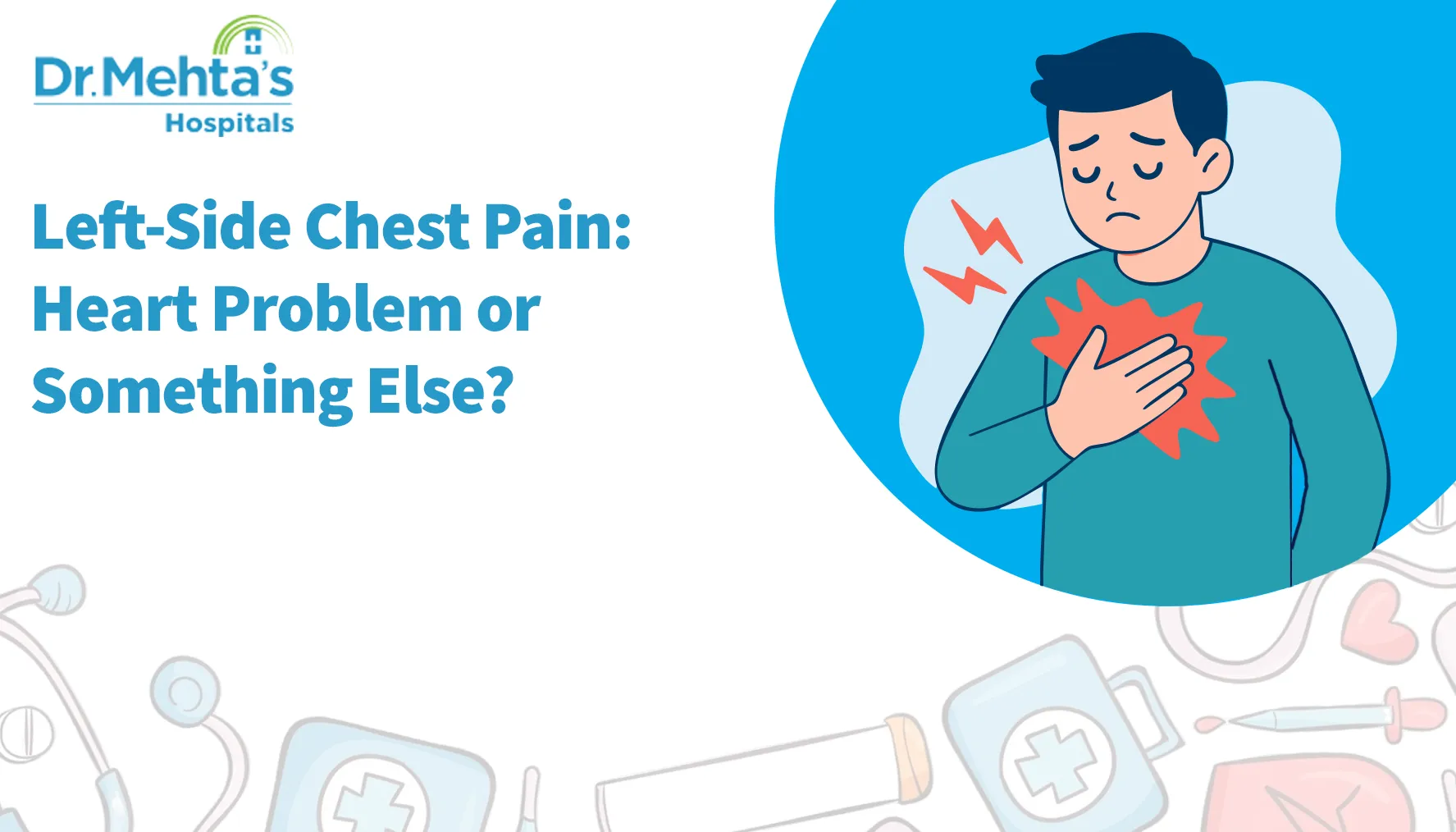
Left-sided chest pain is a concerning complaint because many people assume that it is heart-related. While some cases of chest pain may be related to the heart, not all chest discomfort has a cardiac cause. In some cases, the pain can also stem from the muscles, the digestive tract, the lungs, or even stress.
Knowing the common causes of left-sided chest pain can help you respond appropriately and seek timely medical advice if required. Fortunately, many of the causes of chest pain are treatable, particularly when diagnosed early by a health care professional.
This article provides general information on the myriad conditions that can cause pain in the left side of the chest, the methods used to diagnose them, and when to seek medical care.
Left-sided chest pain refers to any discomfort felt on the left side of the chest, including pressure, tightness, aching, or sharp pain. The feeling may be mild and temporary or more noticeable and persistent.
Research by PubMed Central indicates that chest discomfort, including pain on the left side of the chest, affects nearly 25% of people during their lifetime, making it a frequently reported symptom. There are several important structures located on the chest, such as:
Chest pain could come from several organs because they are located in the same area. A good medical assessment will uncover the actual cause of symptoms.
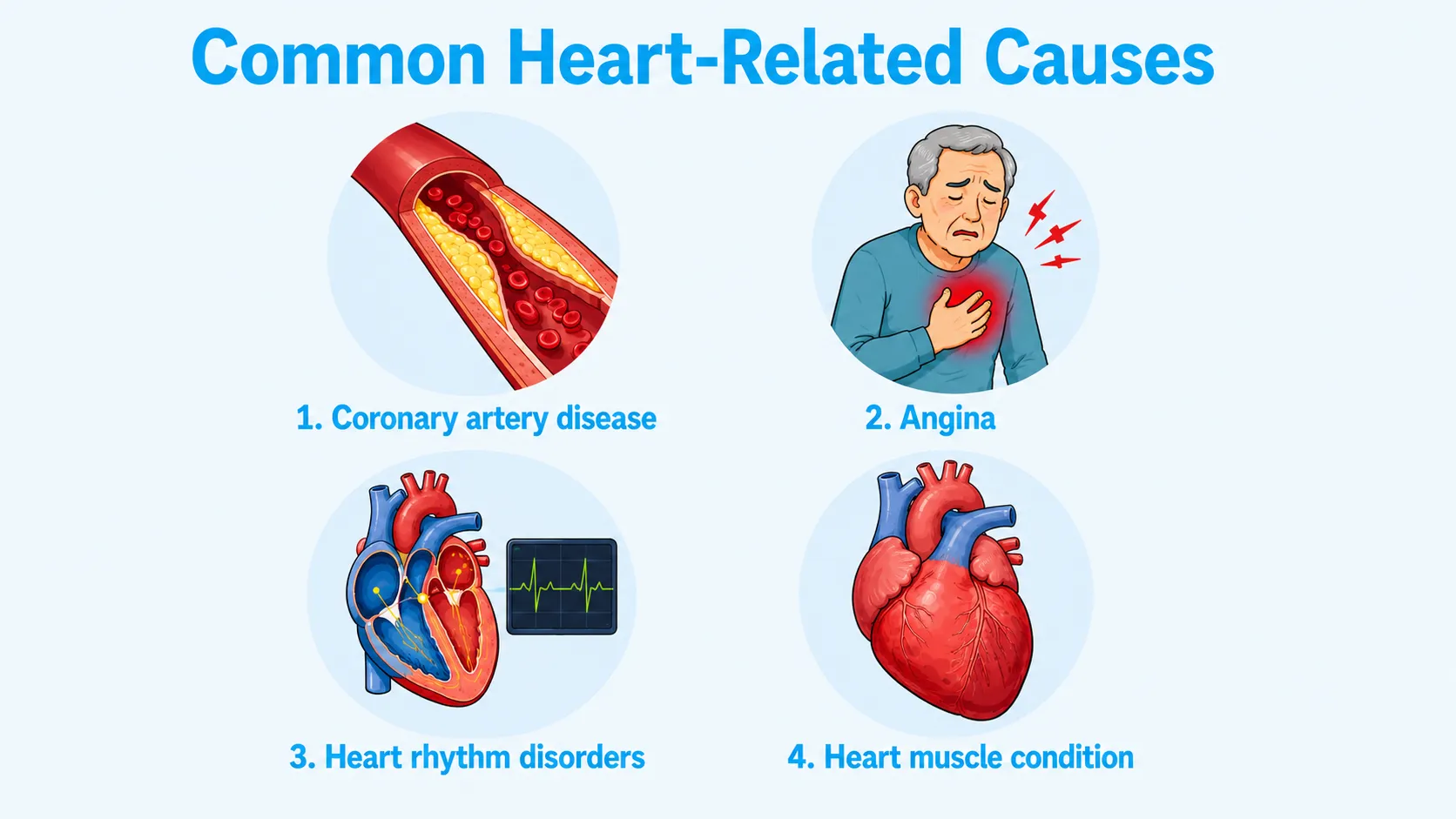
Yes, sometimes left-sided chest pain may be related to a heart attack or heart disease. But not all chest pain is a heart emergency. Patients may experience chest pain suggestive of heart disease, such as:
Other symptoms can include:
Several heart-related symptoms can lead to discomfort in the left chest.
Left-sided chest pain is due to non-cardiac causes in many cases. Here are some important non-heart causes of left-sided chest pain:
The NIH has published research showing that some symptoms, like dizziness and cold sweats, may be signs of a heart-related issue. Symptoms may overlap, so it is critical to seek professional evaluation any time there is unexplained chest pain. Seeking treatment at the best cardiac hospital in Chennai can help ensure timely diagnosis and expert cardiac evaluation when dealing with persistent, recurring pain or symptoms like breathlessness or dizziness.
|
Symptoms |
Heart-Related Chest Pain | Non-Heart Chest Pain |
| Sensation | Pressure, heaviness, tightness |
Sharp, burning, or localised discomfort |
|
Duration |
May last several minutes or recur with activity | May vary depending on movement or cause |
| Triggers | Physical exertion, emotional stress |
Position changes, meals, muscle movement |
|
Associated Symptoms |
Breathlessness, sweating, dizziness | Tenderness, indigestion, muscle soreness |
| Medical Evaluation Needed | Usually requires prompt assessment |
May still require evaluation if persistent |
While these differences can provide clues, only a healthcare professional can determine the actual cause. When symptoms are sudden, severe, or hard to interpret, a hospital with 24/7 emergency and critical care services can help put you and your family at ease about prompt assessment and early medical intervention.
The symptoms that accompany chest pain can vary based on its underlying cause and may include:
Doctors start assessing left-sided chest pain by reviewing your symptoms, medical and other health histories, and life habits. They will ask if pain is associated with breathlessness, dizziness, palpitations, when it began, whether it is worse when it is active or inactive, and whether it pains when one is exercising or resting.
Doctors may recommend various tests to find out the exact cause of the chest pain, including an electrocardiogram (ECG) to determine the electrical activity of the heart, blood tests to check for evidence of cardiac strain or other underlying diseases, and a chest X-ray to look for abnormalities in the lungs and surrounding tissues.
For a more detailed evaluation, additional tests like stress testing, computed tomography scans (CT scans), or more advanced cardiac imaging may be recommended in some cases. These tests are performed to help the doctor establish if the pain in the wall of the chest comes from the heart, digestive tract, lungs, muscles or other elements so that he can form the most suitable program for the patient.
With the 24/7 lab services in Chennai fitted with sophisticated facilities, doctors are given a chance to locate the cause of chest pain and prescribe suitable treatment.
The treatment for left-sided chest pain depends on the underlying condition causing the symptom. Depending on overall health status and risk factors, lifestyle adjustments, medications, routine counselling or other specialised cardiac treatments may be suggested if discomfort originates from the heart.
For non-heart-related chest pain, which may be due to muscle tension, gastroesophageal reflux or stress, a patient’s recovery can be enhanced by physical therapy, dietary changes, a trial of medication, stress reduction, or a simple measure to increase comfort and recovery.
Prevention is a critical part of managing heart disease and overall health. The daily habits of keeping active, eating a balanced diet, having a healthy weight, controlling blood pressure and blood sugar, and not smoking can make an important contribution to cardiovascular health.
Some left-side chest pain is not serious, but it’s important not to ignore sudden, persistent or unusual pain. If the chest pain is severe, lasts several minutes, or is accompanied by shortness of breath or other symptoms like dizziness, sweating, nausea or arm, shoulder, neck, jaw, or back pain, seek immediate medical attention. These symptoms will need to be assessed promptly to determine the cause so that treatment and care plans can be implemented.
Early medical assessment ensures reassurance and timely intervention, if necessary. In Dr Mehta’s Hospitals, the experts rely on advanced diagnostic instruments to understand the cause of chest pain and direct patients toward effective care. Early support can lead to enhanced health outcomes and peace of mind.
Conclusion
Numerous causes can cause left-sided chest pain, including muscle strain, digestive problems, and heart-related diseases. Not all chest pain means there’s a serious condition, but don’t dismiss persistent, unexplained pain.
Knowing the difference between the symptoms associated with heart-related chest pain and those resulting from non-heart pains can lead to better care decisions. Good health and prompt medical evaluation and appropriate treatment, if necessary, can control many factors involved in chest discomfort.
For persistent or unusual chest pain, you might want to seek advice from a knowledgeable cardiologist to determine the source and lead you in the correct direction for future health. Connect with our multi-speciality hospital in Chennai to start your heart treatment now.
Other muscles, digestive or lung problems, nerves, and stress can also cause chest pain.
2. How can I tell if chest pain is heart-related?
Pain due to the heart is often described as pressure or tightness, and can be accompanied by shortness of breath, sweating, or pain that radiates down the arm or jaw.
3. Can stress cause chest pain?
Yes. Sometimes, chest tightness, palpitations, and discomfort can be caused by stress and anxiety.
4. Can acid reflux cause left-side chest pain?
Yes. Acid reflux can cause a burning sensation in the chest area, which can sometimes feel like heart-related heartburn.
5. What tests are commonly used to evaluate chest pain?
Symptom-related tests such as ECG, echocardiogram, blood tests, and chest X-rays may be recommended.
6. Is chest pain during exercise a concern?
If someone has chest pain when engaging in a physical activity, it should be assessed by a medical professional, particularly if it is happening regularly.
7. Can muscle strain cause chest pain?
Yes. Localised pain may result from a strain of the chest muscles, which increases with movement and touch.
8. When should I visit a cardiologist for chest pain?
If chest pain is persistent, recurring, or accompanied by other symptoms like breathlessness or dizziness, medical advice should be sought.
9. Can young adults experience heart-related chest pain?
Heart-related diseases can happen in younger adults, but that’s not frequently seen unless risk factors are involved.
10. Can healthy lifestyle habits reduce heart-related chest pain risks?
Yes. Routine health checks, balanced nutrition, exercise, and stress management can help maintain heart health and lower cardiovascular risks.