You can stay healthy before, during and after menopause by staying active, eating bone- and heart-friendly food, sleeping well, managing stress and going for regular checkups. Menopause is a normal phase of life, and feeling strong and well afterwards is entirely possible.
Each stage needs slightly different care, and small habits started early make a big difference later. This guide explains what to do at every stage, which risks to watch for and when to see a doctor.
What Are the 3 Stages of Menopause?
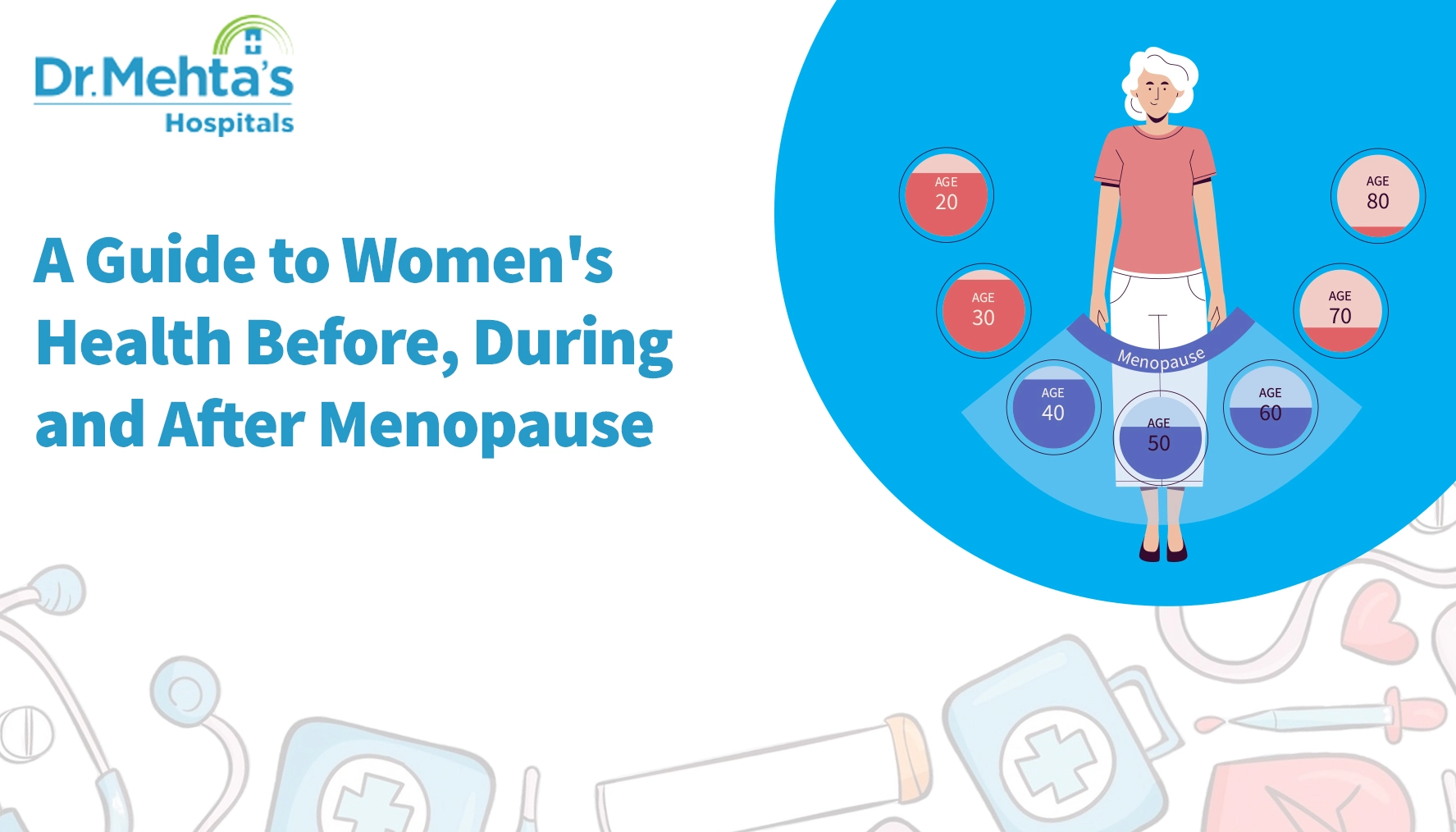
Menopause has three stages: perimenopause (the years before your last period), menopause (12 months without a period) and postmenopause (every year after that).
- Perimenopause: Hormones rise and fall unevenly, usually in your 40s, and periods turn irregular.
- Menopause: Confirmed after 12 months without a period, most often between ages 45 and 55.
- Postmenopause: Estrogen stays low, so bones, heart and bladder need extra care.
As reported by the Government health department, perimenopause lasts 4 to 6 years on average, though it can range from 2 to 10 years.
How Can You Stay Healthy Before Menopause?
Start building healthy habits in your 30s and 40s, because the health you carry into menopause shapes how smoothly you move through it.
- Track periods: Note your cycle dates, since skipped, heavier or shorter periods can be early perimenopause symptoms.
- Build strength: Strength exercise twice a week builds muscle and bone before they begin to thin.
- Eat calcium: Curd, milk, ragi, sesame seeds and green leafy vegetables give calcium, and some morning sunlight helps vitamin D.
- Sleep well: Keep a fixed bedtime and a screen-free hour before it.
- Check basics: Get your blood pressure, sugar, cholesterol and thyroid checked once a year.
How Can You Stay Healthy During Menopause?
During menopause, which most women reach between 45 and 55, the aim is to ease symptoms and protect your sleep, mood and bones while your hormones settle.
- Cool down: Wear light layers, keep your bedroom cool and note triggers like spicy food, caffeine or alcohol.
- Protect sleep: Keep fixed sleep and wake times, and skip tea or coffee late in the day.
- Calm stress: Walking, yoga or time with friends can lift your mood.
- Stay active: Aim for 150 minutes of brisk activity a week, plus strength exercises on two days.
- Ease dryness: Vaginal moisturisers and lubricants can relieve dryness and discomfort.
- Discuss treatment: Treatments, including hormone therapy, suit some women, so decide with your doctor.
How Can You Stay Healthy After Menopause?
After menopause, usually in your 50s and beyond, protect your bones, heart and muscles, because low estrogen makes all three more vulnerable.
- Guard bones: Eat calcium-rich foods, get safe sunlight and do weight-bearing exercise such as walking or climbing stairs.
- Care for heart: Keep salt, sugar and fried food low, and check blood pressure, sugar and cholesterol regularly.
- Keep muscle: Include protein like dal, eggs, fish or paneer in every meal, and lift light weights.
- Pelvic exercises: Tighten and release your pelvic floor muscles a few times every day to reduce urine leaks, and see a doctor if they continue.
- Avoid tobacco: Quit smoking and keep alcohol low, as both raise heart and bone risks.
Which Health Risks Rise After Menopause?
Lower estrogen raises the risk of three things in particular: weak bones, heart disease, and bladder or pelvic problems.
- Bone loss speeds up after menopause, and as reported by International Osteoporosis Foundation, about 1 in 3 women over 50 will break a bone because of osteoporosis.
- Women lose some natural heart protection after menopause, so blood pressure and cholesterol tend to rise, and a cardiologist can guide you on prevention.
- Thinner tissues after menopause can cause urine leakage, a sudden urge to pass urine and repeated infections.
Which Health Checkups Do Women Need?
Regular checkups catch silent problems early. Ask your doctor how often you need each of these, based on your age and history:
- Blood pressure, blood sugar and cholesterol
- Thyroid function
- Bone density scan, usually from age 65 or earlier with risk factors
- Breast screening (mammogram)
- Cervical screening (Pap or HPV test)
Ask a gynecologist in Chennai which of these suit you, and plan them together, for example through a master health checkup.
When to See a Doctor
Book an appointment with your gynaecologist immediately if you notice:
- Spotting or bleeding a year or more after your last period, since bleeding after menopause should never be ignored.
- Hot flashes or poor sleep that disturb daily life.
- Low mood or anxiety lasting several weeks.
- Bone pain, a fracture after a minor fall or loss of height.
- Urine leakage or repeated bladder infections.
Seek emergency care for chest pain, severe breathlessness or sudden weakness.
As the best gynecology hospital in Chennai, Dr. Mehta’s Hospitals helps you understand your symptoms and plan care.
Final Word
Menopause is not something to simply put up with. With the right habits, regular checkups and early medical advice, you can stay strong, active and confident through every stage.
Start with small steps: move more, eat well, sleep on time and track your health numbers. We offer complete women’s health care in Chennai and, as the Best private multispeciality hospital in Chennai, bring gynecologists, bone and heart specialists together so you receive coordinated care under one roof.
FAQs
1. Can you get pregnant during perimenopause?
Yes, until you have gone 12 months without a period, so keep using contraception.
2. What is early menopause, and at what age does it occur?
Menopause before 45 is early menopause, and before 40 it is premature.
3. Which Indian foods help protect bones after menopause?
Ragi, curd, milk, paneer, sesame seeds and leafy greens are good calcium sources.
4. How much exercise do women need after menopause?
About 150 minutes of brisk activity weekly, plus muscle-strengthening exercise on two days.
5. Is hormone replacement therapy safe for every woman?
Not for everyone; your doctor weighs your age, symptoms and medical history before recommending it.
6. Can menopause cause urinary leakage?
Yes, low estrogen weakens pelvic tissues, but pelvic floor exercises and treatment can help.
7. How often should women have a bone density test?
Most women start around 65, or earlier with risk factors, and your doctor sets repeat tests.
8. Does menopause affect cholesterol levels?
Yes, LDL cholesterol often rises around menopause, so yearly lipid tests are wise.
9. Do hot flashes go away on their own?
They usually ease over time but can last several years, so treatment helps if they disturb you.
10. Where can women find menopause care?
Women can consult a gynecologist in Chennai at Dr. Mehta’s Hospitals for menopause care and checkups.