Lack of exercise can gradually weaken your bones and joints, making everyday movements harder and increasing the risk of stiffness, pain and injury. When you stay active, your bones receive the regular loading they need to stay strong, while your joints benefit from movement that keeps them flexible.
On the other hand, spending long periods sitting or being inactive can affect how well your body supports movement over time. The effects may not be obvious at first, but they can build gradually.
The good news is that even simple, consistent changes to your daily routine can help keep your bones and joints stronger for longer.
A lack of regular movement can gradually affect how well your bones and joints function, often leading to reduced strength and easier stiffness. Your bones need regular movement and physical stress to maintain their strength.
PubMed research suggests that regular physical activity helps maintain bone mass, while prolonged inactivity can accelerate bone loss and weaken the musculoskeletal system.
Over time, this may increase the risk of joint stiffness, poor balance and injuries. Staying active can help slow these changes and support better mobility as you age.
If you notice persistent bone or joint concerns, a bone health check-up can help identify problems early and guide appropriate care.
Regular exercise gives your bones the physical activity they need to stay strong and helps the muscles around your joints provide better support. Over time, this can help you maintain better balance, flexibility and ease of movement during everyday tasks.
TOI study suggests that weight-bearing exercise, strength training, and other healthy habits help maintain strong bones as you age.
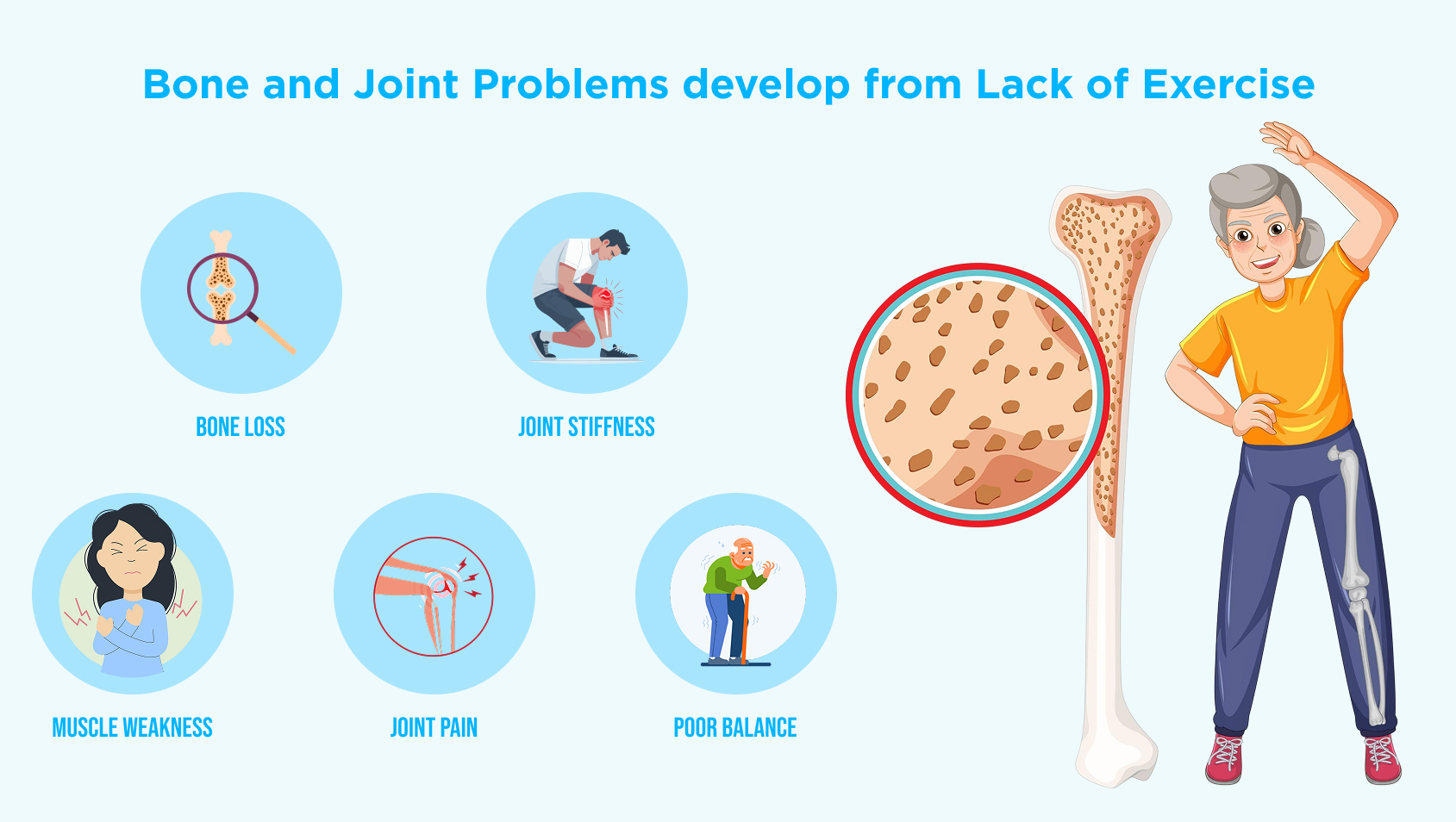
If these symptoms continue or begin interfering with your normal routine, it is worth getting them assessed by a qualified bone and joint specialist. Depending on the cause, the best exercises for joint pain can also help improve movement and support joint function.
You can combine these exercises through the week based on your fitness level and joint comfort. If you spend long hours sitting, desk exercises for office workers can also help you stay active throughout the day.
Consider seeing a doctor when discomfort does not settle, keeps getting worse, or begins making routine activities difficult. An evaluation can help determine what is behind the symptoms and whether treatment is needed.
Turn to Dr. Mehta’s Hospitals, recognized among the leading orthopaedic hospitals in Chennai for generations, for comprehensive care and treatment of bone and joint concerns.
Staying active is one of the simplest ways we can support stronger bones, healthier joints and better mobility as we age. Regular exercise, along with a balanced diet and adequate calcium, can help reduce the effects of inactivity and make everyday movement easier.
When you need expert support for persistent bone or joint concerns, choosing the best multispeciality hospital in Chennai can give you access to comprehensive evaluation and treatment under one roof.
We should also choose activities that suit our fitness levels and stay consistent rather than pushing ourselves too hard. With the right habits and timely medical care, we can protect our bone and joint health and maintain an active lifestyle for years to come.
Yes, prolonged inactivity can reduce bone strength and increase the risk of bone loss.
2. How does inactivity affect joints?
It can cause stiffness, reduce flexibility and make everyday movements more uncomfortable.
3. How much exercise is good for bone health?
Regular weight-bearing and strength exercises can help maintain bone strength and mobility.
4. Is walking good for bones and joints?
Yes. Regular brisk walks provide gentle weight-bearing activity while keeping the joints moving.
5. Can exercise reduce joint stiffness?
Yes. Appropriate movement can keep joints flexible and make stiffness less noticeable.
6. What exercises strengthen bones?
Walking, stair climbing, resistance training and other weight-bearing activities can support bone strength.
7. Can sitting for long hours affect joint health?
Yes, prolonged sitting can contribute to stiffness and reduced mobility, especially when movement is limited.
8. How long should joint pain last before seeing a doctor?
See a doctor if pain persists for more than a few days, worsens or affects daily activities.
9. Can exercise prevent bone loss with age?
Regular physical activity can help slow age-related bone loss and support stronger bones.
10. Which doctor treats bone and joint problems?
An orthopaedic specialist can evaluate and treat many conditions affecting the bones, joints and muscles.