
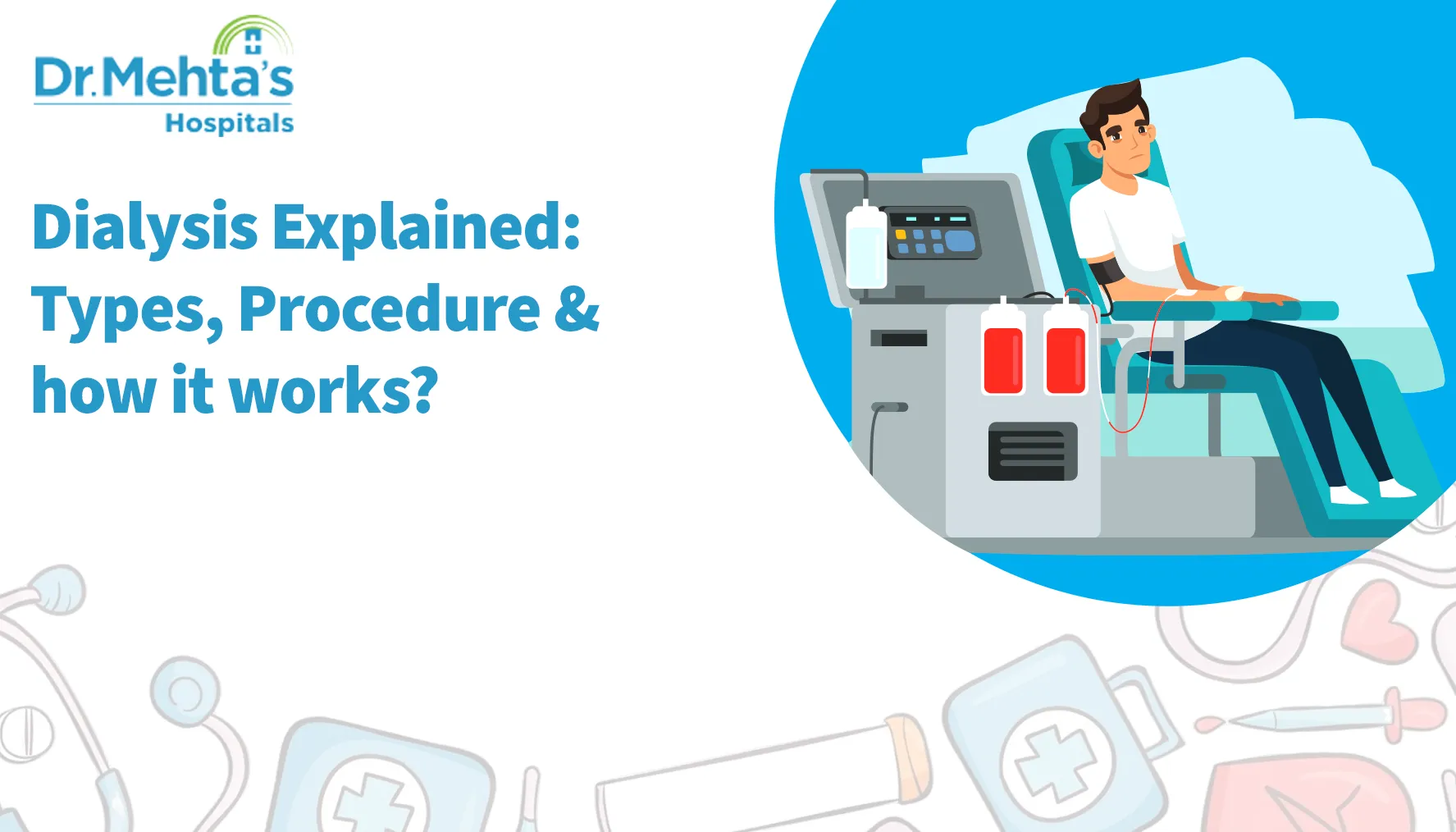
One of the important functions of the kidneys is to help keep the body healthy by removing waste products and balancing fluid and minerals in the blood. Poor kidney function can lead to the accumulation of unwanted waste products and extra fluid in the body. Under these circumstances, dialysis might be advised to maintain these functions.
Hearing the word “dialysis” can feel overwhelming at first, but understanding how it works can help patients and families feel more informed and reassured. Today’s dialysis therapy is intended to keep the person healthy, control symptoms, and allow him or her to lead many of the same lives that people with diabetes enjoy.
We will address in this guide why dialysis is required, how it functions, the various types of dialysis, and what to anticipate throughout dialysis treatment.
Dialysis is a therapeutic procedure that takes over one or more of the functions of healthy kidneys. It may be suggested that when the kidneys can’t expel sufficient waste products, surplus fluids, and toxins from the blood.
India is witnessing a rising number of Chronic Kidney Disease (CKD) cases, with approximately 2.2 lakh new patients reaching End-Stage Renal Disease (ESRD) annually, as per PubMed Central. This places a significant burden on the healthcare system and underscores the importance of preventive kidney care. Dialysis might be required in certain common circumstances:
Before deciding on dialysis, doctors take the time to examine kidney function through blood and urine tests, symptoms, and imaging studies.
India has approximately 950 nephrologists serving patients across the country. There are also around 700 dialysis centres equipped with nearly 4,000 dialysis machines, according to Scientific Scholar. A large share of kidney care facilities is situated in private hospitals and metropolitan areas, making advanced nephrology services more accessible to people living in cities.
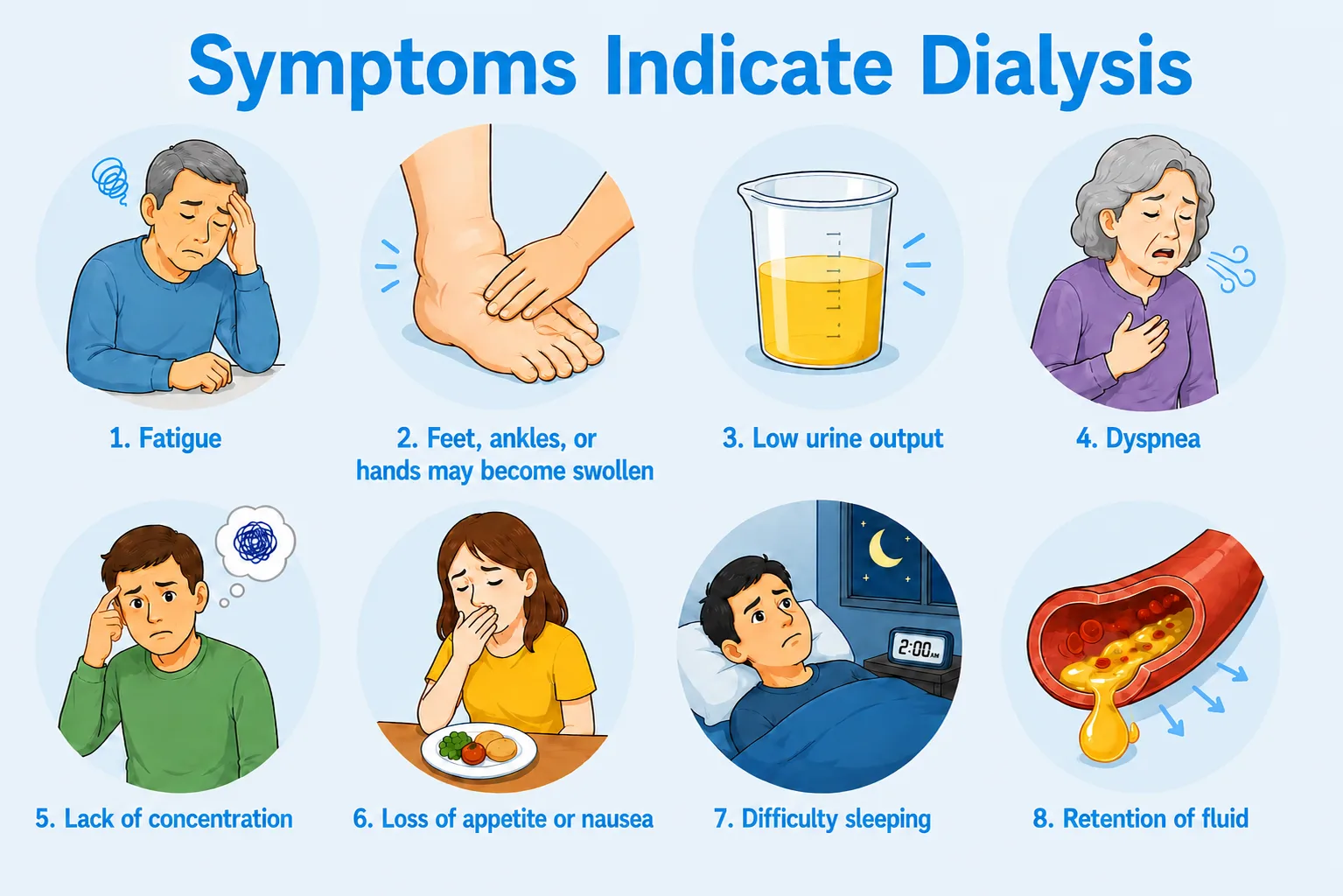
The symptoms may differ from one person to another and will depend on the degree of kidney function. Common symptoms include:
Many health issues can cause these symptoms, and it is important to get a proper medical evaluation. Consulting experienced specialists at a trusted nephrology centre within the best multispeciality hospital in Chennai can help ensure accurate diagnosis, timely treatment, and comprehensive care for underlying kidney-related conditions.
The kidneys do not function properly, and dialysis serves as a substitute for the filtering function. The treatment helps:
While dialysis is not a perfect substitute for the functions of a healthy kidney, it does take over many of the important filtration roles that a healthy kidney would play. Dialysis helps reduce discomfort and keep you more comfortable while keeping your body in balance.
There are two main types of dialysis. The best choice is one that suits a person’s medical condition, lifestyle and overall health needs.
Hemodialysis is a special machine and filter that removes blood from the body. Treatment involves draining the blood from the body, filtering it through a dialysis machine, and reintroducing it into the body.
Hemodialysis is often done in a dialysis clinic or hospital by trained health care professionals. Depending on medical circumstances, some patients may also be candidates for home-based hemodialysis.
In peritoneal dialysis, the lining of the abdomen (peritoneum) acts as a natural filter. During the procedure, a specially prepared dialysis solution is introduced into the abdominal cavity through a soft catheter. Waste and excess fluids enter the fluid and are drained and replaced.
This can be done at home and can provide more flexibility for certain patients. Peritoneal dialysis is recommended or not depending on the condition and lifestyle of the patient, which is determined by doctors. Access to timely medical support and emergency care is also important for dialysis patients, ensuring immediate attention whenever critical health concerns arise.
|
Feature |
Hemodialysis | Peritoneal Dialysis |
| How It Works | Blood is filtered through a dialysis machine |
Uses the abdominal lining to filter waste |
|
Where It Is Done |
Dialysis centre, hospital, or home | Usually performed at home |
| Frequency | Commonly, several sessions per week |
Usually performed daily |
|
Duration |
Each session may take several hours | Varies depending on the method used |
| Suitable For | Many patients with advanced kidney disease |
Selected patients based on medical assessment |
|
Advantages |
Supervised treatment and effective filtration | Greater flexibility and independence for some patients |
Depending on the type of dialysis being performed, the dialysis process will differ.
Patients are closely monitored to ensure comfort and safety during treatment. They may also require prescribed medications as part of their ongoing care plan, making access to a reliable online pharmacy in Chennai convenient for timely medication refills and uninterrupted treatment support.
Dialysis serves to maintain the body when kidney function is greatly diminished. Some benefits include:
As with other medical treatments, side effects can sometimes occur with dialysis. But medical staff keep a close track of patients and offer support to manage them. Side effects may include:
These effects are not universal, and many symptoms can be controlled with proper medical care. Through periodic follow-up appointments, doctors in Chetpet can fine-tune treatment and make patients more comfortable.
A large number of people still live an active and full life during dialysis. Some healthy habits that can help include:
The role of health care workers, family members and caregivers is also significant in overall well-being.
If swelling in the legs and face, decreased urine output, fatigue, shortness of breath, or changes in urination persist, it is important to see a nephrologist. People who have chronic kidney disease (CKD), diabetes, hypertension or abnormal blood tests for kidney function should also get specialist advice, as these conditions can slowly affect kidney function and may need more monitoring. Certain features like elevated creatinine, proteinuria or falling estimated glomerular filtration rate (eGFR) are significant findings that require nephrology consultation.
A kidney specialist can perform an early assessment to help determine the cause of kidney problems, assess the need for advanced treatments like dialysis, and help develop a strategy to slow the disease process. In Dr Mehta’s Hospitals, the nephrology team offers a holistic treatment for chronic kidney disease, kidney failure, dialysis management, and metabolic complications associated with kidney disorders, ensuring the patients have healthy kidneys and a good quality of life.
Dialysis is a significant treatment used to maintain the body if the Kidneys don’t work well. Dialysis is important because it helps eliminate waste products, excess fluids and toxins from the body, contributing to overall health and quality of life.
Knowing the various kinds of dialysis, how the dialysis procedure works, and what to expect during dialysis can help patients and families feel more confident and informed. Many people who undergo dialysis can live healthy lives with appropriate medical treatment, lifestyle and regular check-ups. Schedule a consultation with the Best Kidney Doctors in Chennai for a comprehensive evaluation, personalized treatment plan, and ongoing support to help you manage kidney health with confidence.
Dialysis is the medical treatment used to remove waste, extra fluid and toxins from the blood when the kidneys aren’t doing a good enough job.
2. Why is dialysis needed?
When kidney function is severely impaired, and a person cannot control the balance of fluids and waste in their body, dialysis may be suggested.
3. What are the main types of dialysis?
The two primary forms of dialysis used to support kidney function are haemodialysis and peritoneal dialysis.
4. Is dialysis painful?
Most patients are comfortable, and health care workers make every effort to make patients comfortable for patients during dialysis.
5. How long does a dialysis session take?
The length of time depends on the type of dialysis and the patient’s treatment program.
6. Can dialysis be done at home?
For some patients, dialysis may be performed at home, such as some types of hemodialysis or peritoneal dialysis.
7. Can people work while receiving dialysis?
A large number of patients are still able to work and attend their daily routines while coordinating their dialysis appointments.
8. Does dialysis cure kidney disease?
Dialysis helps manage kidney failure by performing some of the kidneys’ filtering functions, but it does not reverse or cure the underlying kidney disease.
9. What foods should dialysis patients eat?
The dietary recommendations are different for each patient and should be determined by a nephrologist or dietitian.
10. When should I consult a nephrologist?
If you have kidney disease, abnormal kidney function tests, swelling that does not go away, or symptoms that indicate kidney function may be impaired, you should consult your doctor for advice.