
Pain at the front of the knee during running, climbing stairs, or prolonged sitting may indicate runner’s knee. It is a common condition, particularly among young adults, athletes, and individuals who have recently increased their physical activity.
The good news is that runner’s knee can usually be managed with proper exercises, adequate rest, and small lifestyle modifications. Early intervention can help restore comfortable movement and allow you to stay active.
Runner’s knee is commonly referred to as Patellofemoral Pain Syndrome (PFPS). It refers to pain felt at the front of the knee around the kneecap (patella), where it articulates with the thigh bone (femur).
When you bend or straighten your leg, the kneecap normally slides up and down a groove in the thigh bone. If this movement becomes uneven due to muscle imbalance, overuse, or alignment issues, it can lead to irritation and pain.
Research among Indian adults shows that nearly 22% of physically active individuals aged 18-35 experience this front-knee discomfort, making it a common concern for runners and fitness enthusiasts here.
Although it is called runner’s knee, the condition does not affect runners alone.
It can also occur in:
· Cyclists
· Dancers
· Gym enthusiasts
· People who sit for long periods at the office
· Adolescents during growth phases
Runner’s knee typically causes pain at the front of the knee. The pain may be dull or persistent and can worsen during certain activities.
You may notice discomfort:
· While climbing or descending stairs
· After sitting for long periods
· When squatting or kneeling.
· While running downhill
· After intense workouts
The pain may improve with rest but can return with repeated activity. If the discomfort keeps returning, consulting a top ortho hospital in Chennai can help you understand the root cause and get the right treatment at the right time.
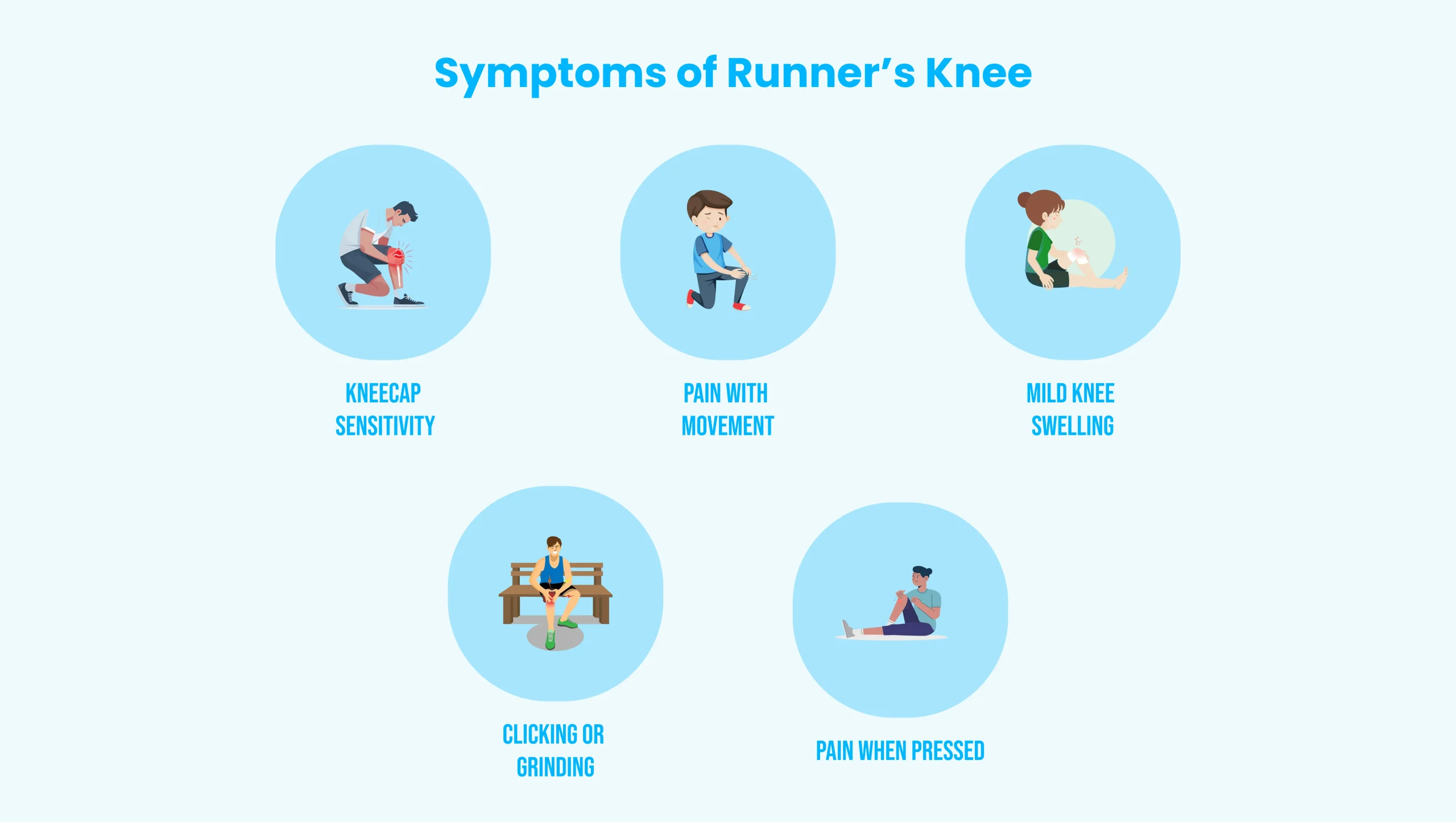
Recognising the symptoms of runner’s knee early allows for timely treatment.
Common symptoms include:
· Tenderness behind or around the kneecap.
· Pain that increases with movement.
· Minor swelling at the front of the knee.
· A clicking, grinding, or scraping sensation when moving the knee.
· Pain when pressure is applied around the kneecap.
Runner’s knee typically does not cause significant joint instability or locking. If these symptoms occur, a medical evaluation is recommended. Getting timely tests done at reliable 24-hour lab services in Chennai can help identify the exact cause and guide further care.
Runner’s knee, also known as patellofemoral pain syndrome, is very common among runners in India. Studies show that about 3 to 5 out of every 10 runners deal with knee pain each year, making it the most frequent injury related to running.
Runner’s knee can also develop due to patellar tracking issues, overpronation of the foot, or weakness in the hip muscles.
This condition may occur due to several factors, including:
· A sudden increase in running distance or intensity.
· Weak thigh or hip muscles
· Tight hamstring or calf muscles.
· Improper or worn-out footwear
· Alignment issues or flat feet.
· Repetitive activity and insufficient rest.
Knowing the underlying cause can aid in the selection of the appropriate recovery method.
Knowing the underlying cause can aid in the selection of the appropriate recovery method. A northern India study of 363 athletes (including runners in athletics/soccer) found knee injuries in ~50% of sports cases, but ACL/meniscal tears dominated (86.5%/78%), not PFPS (patellofemoral cases excluded). Soccer (30.6% of injuries) and kabaddi topped the list, with non-contact mechanisms common.
Most cases respond well to conservative treatment and guided runner’s knee exercises.
Step 1: Decrease High-Impact Activity.
Temporarily cut down on running, jumping, or high-impact exercise. This allows the knee to heal without additional irritation. The transition to low-impact exercise, such as swimming or bicycling, can be beneficial to keep fit.
Step 2: Apply Cold Compress
Apply a cold pack to the knee for 10–15 minutes after activity to help reduce pain and mild swelling.
Step 3: Strengthen Key Muscles
Muscle strengthening is a key factor in recovery. Strong thigh and hip muscles help keep the kneecap in the right position.
These exercises should be performed slowly and within a comfortable range. If pain increases, stop the exercise and consult a physiotherapist. If the pain persists or worsens, it is best to consult a physiotherapist. For any prescribed support or supplements, choosing a trusted online pharmacy in Chennai can help ensure safe and reliable care.
Step 4: Stretch Tight Muscles
Tight hamstrings, calf muscles, and quadriceps can increase the pressure on the kneecap. Gentle stretching can improve muscle balance and flexibility. Hold each stretch for 20 to 30 seconds without bouncing.
Step 5: Check Footwear
Knee alignment may be influenced by worn-out shoes or a lack of proper support. Strain can be minimized by supportive footwear based on your foot type.
Step 6: Gradual Return to Running.
Once discomfort improves, gradually resume running Gradually increase the distance or intensity, with rest days between.
Step 7: Consult Professional Advice (where necessary).
If pain persists for more than a few weeks despite home care, medical evaluation is recommended. A doctor may suggest:
· Physiotherapy
· Gait analysis
· Activity modification
· Knee taping techniques.
· Early treatment often leads to faster recovery.
· Pain lasts longer than two to three weeks.
· Swelling increases
· Knee feels unstable
· Pain interferes with daily activities.
· There was a recent injury
Early assessment assists in excluding other knee disorders and provides the appropriate treatment regimen.
Yes, prevention measures involve:
· Warming up before workouts
· Strengthening the thigh and hip muscles.
· Avoiding sudden increases in training intensity.
· Using proper footwear
· Rest days in your routine.
Balanced training helps protect joint health and supports long-term physical activity.
Runner’s knee is a common and treatable condition that causes discomfort around the kneecap, particularly during running or stair climbing.. It is usually associated with muscle imbalance or overuse rather than serious joint damage.
Most people recover well with proper rest, strengthening exercises, stretching and gradual resumption of activity. Listening to your body and seeking medical advice when necessary can help ensure safe and comfortable movement.
Taking small daily steps to care for your knees can support an active lifestyle. Contact us to start booking your appointment.
1. Is runner’s knee permanent?
No. Most cases improve with rest, strengthening exercises, and appropriate care.
2. Can I continue running with mild pain?
It is advisable to reduce running until the discomfort improves to prevent worsening of the condition.
3. How long does recovery take?
Mild cases may improve within a few weeks with proper exercises and activity modification.
4. Does runner’s knee mean arthritis?
No. Runner’s knee is usually related to kneecap alignment issues or muscle imbalance and is not the same as arthritis.
5. Are knee braces helpful?
They may provide temporary support, but strengthening exercises and physiotherapy remain the main treatment.
6. Can teenagers get runner’s knee?
Yes. It can occur during growth phases and with increased sports or physical activity.