Kidney stones are painful, but the good news is that many can be prevented with the right food and lifestyle choices. Small changes in daily eating habits can go a long way in supporting kidney health. Diet plays a key role for people who have had kidney stones, as well as for those looking to prevent them.
This guide explains which foods and drinks to avoid or limit, the ones you can take in their place, and easy habits that will help maintain kidney health, all in a clear and easy-to-follow manner.
Kidney stones are formed when some minerals and salts accumulate in the urine. These minerals are more likely to bind together when fluid intake is low or when the diet contains excess stone-forming substances.
Kidney stones are a common health concern in India, affecting about 12 out of every 100 people. The numbers are even higher in parts of North India, where nearly 15% of the population is affected, earning it the informal title of a “stone belt” due to the high prevalence of cases.
A kidney-friendly diet focuses on:
Following a kidney stone diet does not mean giving up all your favourite foods. It is merely about eating consciously and making wise decisions. For personalized guidance and long-term kidney care, a consultation with a nephrology specialist in Chennai can help you make food decisions that suit your body and lifestyle.
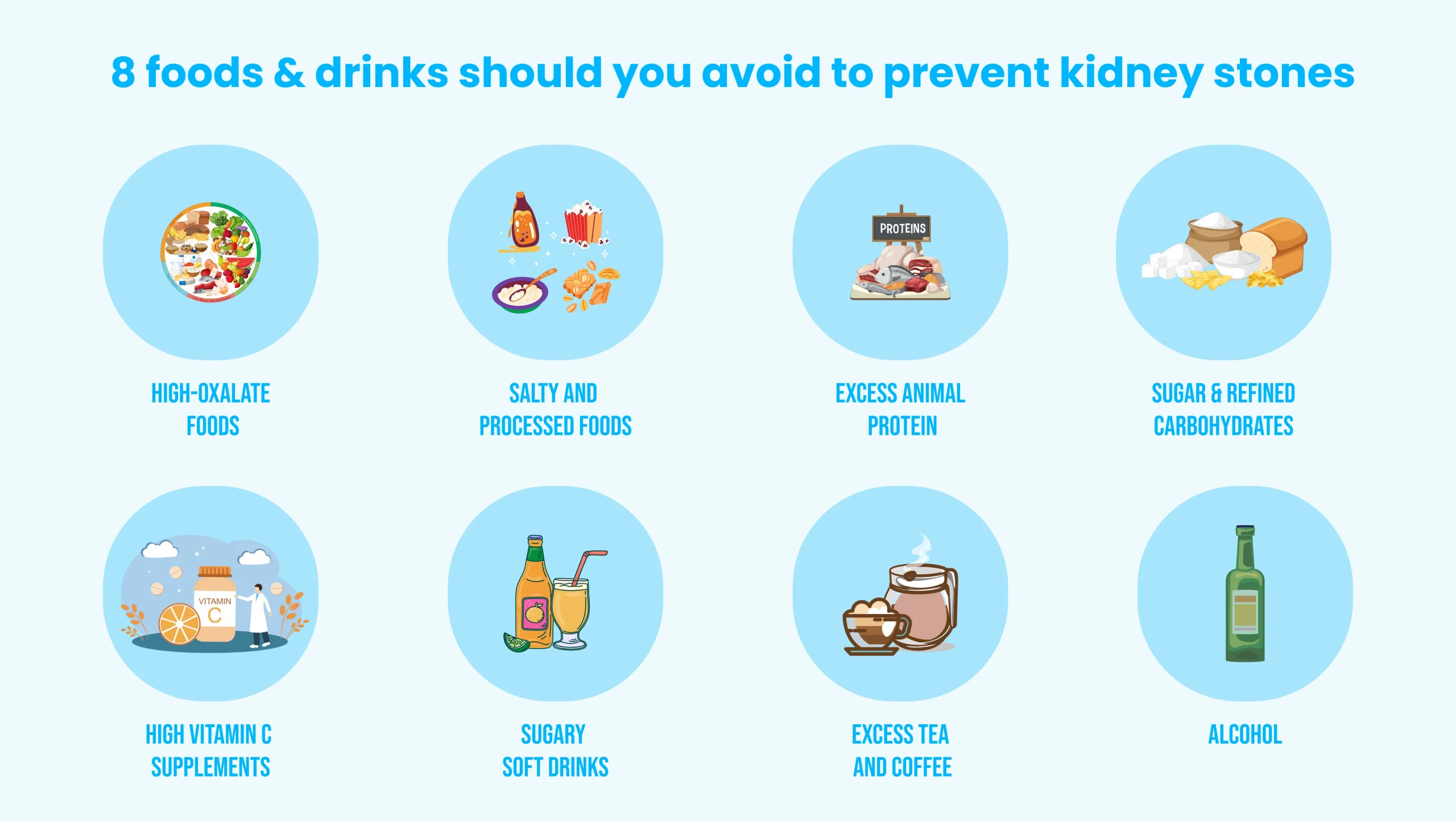
Some foods may make mineral deposition in the kidneys more likely, particularly when consumed frequently or in large quantities. This does not imply that you should entirely stop enjoying your meals. The trick is to know what foods to restrict and the way to balance them up. These minor adjustments can aid the kidney and contribute to preventing the risk of stones in the future.
These foods do not need to be completely avoided. Reducing the amount of oxalate can be achieved by serving small portions of the food with foods rich in calcium. This method is usually advised in a calcium oxalate kidney stones diet.
Excess salt raises calcium in urine, which increases the chances of stones.
Foods to limit:
A low salt diet is a significant move in any diet to prevent kidney stones. Home cooking and the use of fresh herbs rather than additional salt serve well.
Excessive intake of animal protein may increase the risk of stone formation in some individuals. A common question is whether a high-protein diet can cause kidney stones.
Protein is necessary, but excessive consumption of:
These foods may affect urine balance. Moderation is key. Adding more plant-based proteins like dals and legumes may restore equilibrium. For immediate medical attention and round-the-clock care when needed, the hospital’s 24/7 critical care services are there to support you every step of the way.
Excess sugar consumption can lead to higher calcium loss in the urine.
Limit:
These foods often appear on a kidney stone avoid food list as they offer little nutritional benefit and may increase stone risk.
Vitamin C deficiency is quite common in India. Studies suggest that around 40% or more of people in some regions or groups may not get enough vitamin C from their diet, while only about 24% regularly take vitamin C supplements.
Excessive doses of vitamin C supplements may be converted into oxalate in the body. Supplements should be taken only under the recommendation of a doctor.
When consumed frequently or in large quantities, certain drinks can increase the level of stone-forming minerals in the urine. That does not imply that you should never see them again. Knowing what to avoid eating and how to eat it can save your kidneys. By making small, thoughtful modifications, you can also maintain a balanced and comfortable diet.
Colas and sweetened drinks include phosphates and added sugars, which can impact kidney balance.
Limit:
These are usually advised to be reduced when talking about foods to avoid with kidney stones. Making thoughtful dietary choices and following proper kidney care guidance can help support long-term kidney health and overall well-being.
Oxalates are present in tea and coffee. Although moderate drinking is typically harmless, excessive drinking can make sensitive individuals more prone to risk.
Tips:
This addresses a frequently asked question on what to avoid eating to prevent kidney stones, including soft drinks.
Alcohol may decrease the level of hydration and influence the concentration of urine.
With occasional intake being okay, regular or excessive consumption should be minimized, particularly among individuals who have a history of stones.
A diet plan for kidney stone patients should focus on balance and nourishment rather than strict restrictions.
Best Drinks
One of the most significant measures in stone prevention is to remain hydrated.
The list of the best food for kidney stone patient consists of:
These foods form the basis of a balanced kidney stone diet.
Kidney stones do not need drastic dietary measures to prevent. With mindful food choices and adequate hydration, most people can significantly reduce their risk. To make decisions without fear and confusion, it is better to understand food restrictions for kidney stones.
A healthy diet under the guidance of a doctor can be very helpful in keeping the kidneys healthy and well. The doctors at Dr Mehta’s Hospitals can guide you with a personalized diet plan based on your health needs, lifestyle, and medical history. Contact us to schedule an appointment or speak with our specialists.
Foods high in oxalates, excess salt, sugary items, and heavily processed foods should be limited.
No. A low oxalate diet for kidney stones is mainly advised for people prone to calcium oxalate stones.
Yes. Moderate calcium intake from food is beneficial and may help prevent stones.
Most people benefit from 8 to 10 glasses daily, but individual needs may vary.
Yes. Most fruits are safe and provide hydration and nutrients.
No. Moderate intake is usually acceptable when balanced with enough water.