

Table of Contents
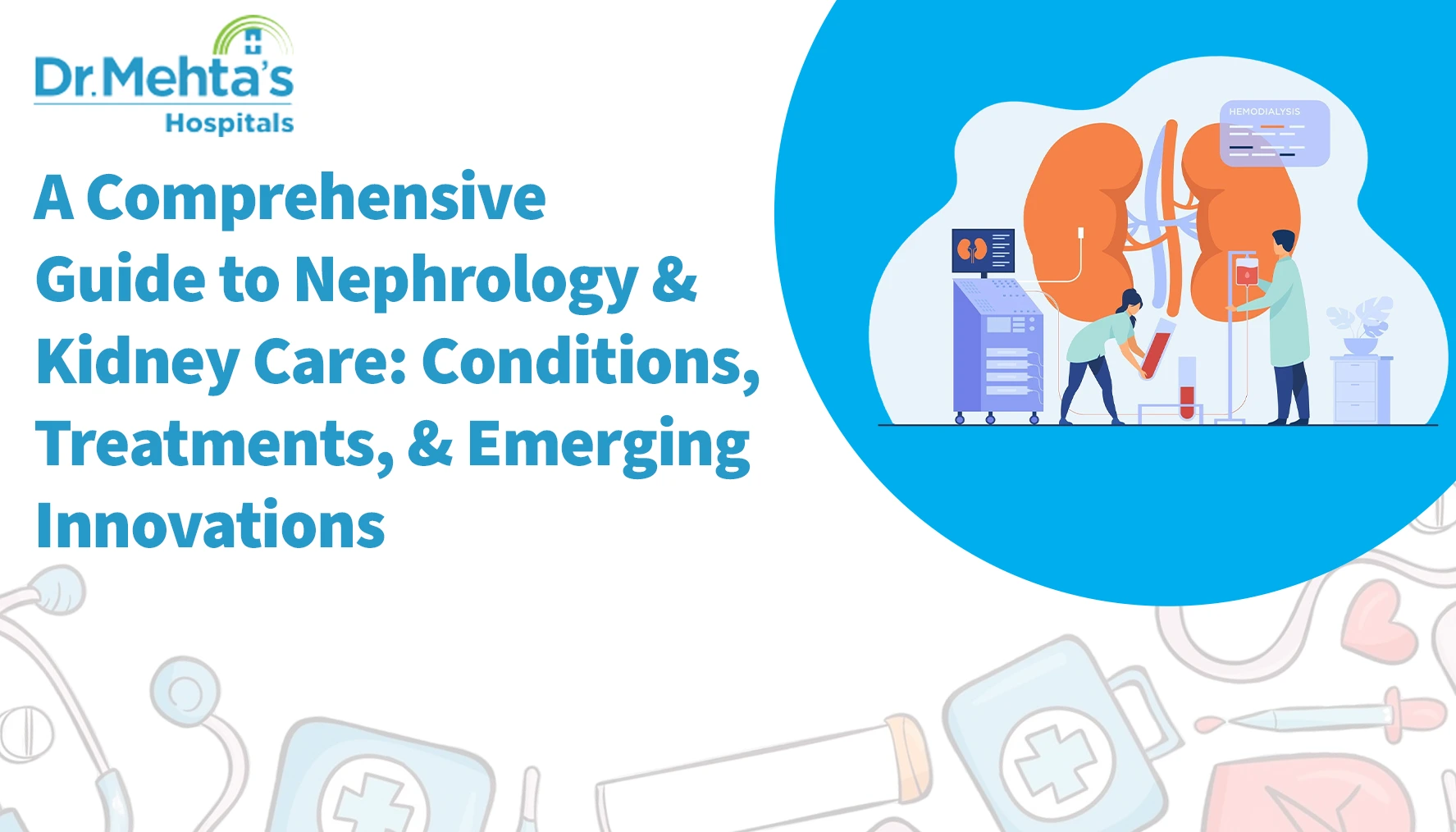
Nephrology is the medical specialty that focuses on understanding and treating kidney-related diseases.. Beyond treatment, nephrology also focuses on preserving kidney function through monitoring, lifestyle guidance, and long-term care. Kidney care offers clarity and reassurance to individuals and families, especially when symptoms are unclear or difficult to interpret.
With ongoing advancements in medical science, nephrology continues to evolve, improving the diagnostic techniques, treatment methods and preventive measures. The guide is a compilation of key facts about kidney care presented in an easy-to-understand, patient-friendly manner that allows the reader to comprehend the role of nephrology in the overall well-being at various life stages.
Nephrology is a branch of internal medicine that focuses on the diagnosis, treatment, and prevention of kidney-related diseases. Nephrologists manage conditions that affect kidney function, blood filtration, electrolyte balance, and blood pressure control. Their care often involves long-term monitoring to slow disease progression and preserve kidney health.
Kidney disease is a growing public health concern in India. India carries one of the largest burdens of chronic kidney disease (CKD) globally, with studies estimating over 130 million people affected, and prevalence ranging between 13–17% across regions. The figures are still on the increase, primarily due to diabetes, hypertension, and an altered lifestyle.
Kidneys are essential organs that assist the body in several crucial processes without a lot of noise. They assist in eliminating waste and excess fluids, keep the proper balance of minerals, maintain healthy blood pressure, and contribute to the overall health of the bones and blood. Because kidneys work silently in the background, their importance is often overlooked until problems arise.
Healthy kidneys help to maintain the energy levels, heart conditions and fluid balance in the body. With sufficient supporting kidney functionality, other body organs are free to perform optimally. This relationship explains why kidney care is applicable at all ages, including childhood and young adulthood, as well as at later years. Even minor alterations in the work of the kidneys may affect the way the body feels and works in the long run.
The issue of kidney concerns is increasing across India. The number of individuals requiring kidney-related care has grown due to changes in lifestyles, extended life expectancy, and the growth in the prevalence of other illnesses like high blood pressure and diabetes. Most of these issues build up over time and in most cases, without noticeable symptoms, and hence, frequent awareness and check-ups are relevant.
The increasing number of kidney diseases underscores the importance of education and prevention instead of treatment when the symptoms show up. Knowledge about the importance of kidneys in maintaining good health motivates individuals of all ages to make better health choices, seek advice when necessary from the best nephrology hospital in Chennai and engage in proactive measures towards health in the long term.
A nephrologist is a physician who specializes in the treatment of the kidneys. India faces a significant shortage of nephrologists (about 1.9 nephrologists per million population) , creating a wide gap between growing care needs and specialist availability.
Their work is not limited to the treatment of kidney-related conditions. They pay attention to the functioning of the kidneys, detecting the initial changes, and providing care that promotes long-term kidney health. Nephrologists are also involved in the management of kidney functioning, interaction with other body systems, including blood pressure, fluid balance, and mineral levels.
Early detection and monitoring are among the most critical roles that a nephrologist plays. Most of the kidney issues build up over time and may not lead to any apparent discomfort initially. By performing frequent examinations and using proper tests, a nephrologist can detect slight alterations and provide measures to preserve the functionality of the kidneys before the issues deteriorate.
Individuals are usually taken to a specialist in nephrology when routine tests indicate that the values related to the kidneys are changed, or when the individual has a history of other conditions such as high blood pressure, diabetes, or recurrent urinary issues. When symptoms like constant swelling, alterations in urine pattern, or unexplainable fatigue require more profound investigation, a nephrologist might be contacted as well.
Consulting a nephrologist goes beyond treatment alone. It is also about direction, training and encouragement. With the appropriate help, a lot of people can take good care of their kidney health, enjoy their comfort every day, and feel more confident about their future well-being. If you are seeking experienced guidance and personalised care, the best kidney doctors in Chetpet can help you take proactive steps toward better kidney health.
Nephrology encompasses a broad spectrum of services aimed at safeguarding the health of the kidneys and treating diseases involving the kidneys, as well as providing long-term care. All specializations have a specific purpose, and people will get the necessary guidance in each stage of their kidney health path.
Kidney medicine or nephrology is the study of the medical treatment of conditions pertaining to the kidneys without surgery. This involves the assessment of kidney functioning, the management of alterations of filtration, and the issue of fluid, electrolytes, and blood pressure.
Kidney support through medical management usually includes frequent monitoring, changes in medication, and lifestyle education. The goal is to slow disease progression, minimise complications, and support a stable quality of life. Nephrology care is helpful to many individuals at an early stage of the disease, when early support can be of significant value.
A kidney specialist, also known as a nephrologist, is at the core of diagnosing kidney-related diseases and providing long-term care. It includes the examination of test findings, medical history, and recognition of patterns that can influence the health of the kidneys in the long term.
One of the main aspects of this role is long-term monitoring. Kidney specialists assist in monitoring the progress and modifying the care plans accordingly. They also assist people with other related conditions like high blood pressure or diabetes, which guarantees that the health of the kidneys is regarded as one of the components of general care. This ongoing follow-up and open communication help patients feel informed, reassured, and supported at every stage, predominantly when guided by experienced doctors such as the best and experienced kidney specialists in Velappanchavadi focused on continuity of care and long-term outcomes.
Renal transplant medicine is the subject that deals with the care of the patient prior to and after a kidney transplant. This involves a thorough assessment, planning and counselling prior to a transplant to guarantee optimum results. Patients are taken through the process and what to expect at each stage.
Once a transplant has been performed, it is crucial to receive continuous care to help the new kidney and overall health in general. This involves routine surveillance, control of medication and lifestyle counselling. The management of nephrology after the transplant serves to ensure that the person adapts to the new situation, keeps the kidney working and concentrates on long-term survival with confidence and assurance.
Diseases of the kidneys may differ in their causes, severity and course. Others grow gradually, and others might occur more abruptly. The simplified explanation of these conditions can assist people in realizing the value of prompt medical attention, frequent check-ups, and conducive treatment regimes that consider the comfort and well-being in the long term.
Chronic Kidney Disease is a long-term ailment in which the functioning of the kidneys is affected over time. It is generally divided into phases, depending on the effectiveness of the kidneys in eliminating waste in the blood. Early stages may not cause noticeable discomfort, making periodic testing especially important.
It is most often caused by long-term hypertension, diabetes, and some hereditary or inflammatory disorders. When medical advice, early diagnosis, and lifestyle management are applied, the process may be delayed in many cases, and individuals may continue their daily activities and their overall quality of life.
Kidney failure is a significant decrease in the functioning of the kidneys. It can be sudden (acute) or a gradual process in the course of a longer period (chronic). In some cases, acute kidney failure may be temporary in case it is diagnosed and treated in time, whereas chronic kidney failure may need continuous treatment and follow-up.
Management is aimed at supporting kidney functioning, managing underlying factors, and directing people to proper treatment options. A large number of individuals lead normal lives with proper medical care and follow-up. Recognising early warning signs and common symptoms of kidney problems, and seeking timely care can significantly support long-term kidney health.
Polycystic Kidney Disease is a hereditary disorder in which fluid-filled sacs grow in the kidneys. In the course of years, these cysts can impact the structure and function of the kidneys. The condition may differ significantly in terms of how individuals are affected, even in the same family.
Care focuses on regular monitoring, blood pressure control, and guidance to support long-term kidney function. Follow-up enables the detection of changes and the arrangement of care.
Diabetic nephropathy is a kidney disorder related to chronic diabetes. The long-term high level of sugar in the blood may have an impact on the small blood vessels within the kidney, which filter the waste.
The combination of blood sugar, pressure, and kidney management is a major part of care. Under adequate monitoring and medical advice, a significant number of people can delay the disease and preserve the function of their kidneys.
Kidney diseases that are related to glomerular and protein are disorders involving the small filtering units of the kidneys. The filters are essential in retaining vital proteins in the body and eliminating waste. They may leak into the urine when affected, and kidney functioning can alter over time. When identified early and managed with supportive care, many individuals continue to live comfortably.
Glomerulonephritis is inflammation of the filtering units in the kidney known as glomeruli. This inflammation can occur as a result of immune system reactions, some infections or underlying conditions. Its form of presentation may differ among individuals.
Others might notice alterations in urine or slight swelling, whereas others can only find it during regular checkups. The management is aimed at finding the cause, eliminating inflammation, and keeping a close follow-up of the kidney functioning. Kidney health may be sustained in the long term with early intervention and follow-up.
Nephrotic syndrome refers to a condition in which the kidneys permit the passage of more proteins into the urine. As protein assists in the body to keep the fluid levels stable, such loss can cause swelling, particularly on the feet, ankles or face.
The management of nephrotic syndrome entails the realization of the reasons why protein loss is occurring and the support of the kidneys to limit it. Therapy plans are specific to the person and can involve medication, dietary instructions, and frequent observation. With regular attention and follow-up, many people improve.
Proteinuria merely refers to the excess protein in the urine. It may also be a temporary condition, which occurs following physical stress, fever, or dehydration, and may be self-limiting. In some other situations, it may be an early indicator of kidney-related changes that require more attention.
The diagnosis of the cause of proteinuria assists in the following steps. The physicians can advise repeat tests, long-term monitoring, or additional assessment of its importance. Proteinuria can be a significant marker of preserving kidney health in the long term when dealt with early, instead of being a concern.
Kidneys are key in ensuring that the human body is in balance. They assist in controlling minerals and fluids that are necessary in normal muscle movement, nerve impulses, and general comfort. As the functioning of the kidneys varies, this balance can be disturbed, causing metabolic and electrolyte-related issues. These imbalances can be easily handled when they are well addressed in time and with the proper guidance.
Key minerals such as sodium, potassium, and calcium play a vital role in normal body function. The kidneys maintain a constant adjustment of their levels so that the correct balance is attained. Once such a balance is disrupted, it can affect hydration, muscle performance, or energy levels.
Sodium helps in the maintenance of fluid balance and blood pressure. Potassium helps maintain the heart rhythm and muscle activity, and calcium is needed in bones and nerve signalling. The kidney functions, some drugs, or other underlying health conditions can influence the way the body handles these electrolytes.
Management works on finding the reason behind the imbalance and bringing stability by closely observing, providing dietary advice, and medical assistance when necessary. Frequent monitoring can contribute to keeping the electrolyte levels at a comfortable level, which favors the overall well-being and the sustainability of kidney health.
Proper diagnosis is essential in learning about the health of the kidneys and the appropriate line of treatment. Kidney-related issues tend to build up over time, and diagnostic tests can be used to detect changes at an early stage before discomfort is experienced. These tests are helpful in determining the functionality of the kidneys, their morphology, and the way they communicate with the urinary system.
Nephrology investigations are designed to be informative, practical, and clinically meaningful. They assist doctors in evaluating the functionality of kidneys, tracking progress, and even designing individualised care according to the results of the clear findings.
One of the most frequent and simple tests in the evaluation of the kidneys is urinalysis. It includes a check of a sample of urine to determine the presence of protein, blood, or infection indicators. These results can provide timely indications of kidney or urinary tract alterations.
This is the most commonly used test as it is fast, non-invasive, and assists in determining the necessity of additional testing. It also serves to monitor improvements over time in most instances.
Blood tests are kidney function tests, which indicate the efficiency of the kidneys in removing waste from the body. Healthy kidneys are usually efficient in removing waste products such as creatinine and urea. Their measurements assist physicians in comprehending the functioning of the kidneys.
The calculation is the Glomerular Filtration Rate (GFR), which gives a better understanding of the overall functioning of the kidneys. These tests are usually intended to regularly check the well-being of the kidneys and make decisions on treatment in a calm, systematized environment.
Kidney ultrasound involves the use of sound waves to form images of the kidneys. It assists in determining their size, shape and structure and may show areas of concern like blockages, cysts, or alterations in kidney appearance.
Ultrasound is non-radiative and painless, which makes it a more desirable imaging tool in the first place. It can be invaluable in the perception of physical changes that can influence kidney functioning.
A CT urogram gives a detailed picture of the kidneys, ureters and bladder. It assists doctors in examining the urinary tract more precisely, particularly when examining the presence of stones, structural differences, or regions that influence the urine flow.
This test provides a broad perspective and is usually ordered when there is a need to have more detailed information to inform care or explain the results of previous tests.
A DMSA scan is a specialised imaging test that is performed to determine the functioning of various regions of the kidneys. It is specifically valuable for determining regions of decreased activity or scarring in the kidneys.
This scan offers valid functional data and helps in long-term planning and monitoring. It is commonly applied when physicians require more insight into the performance of the kidneys over a period of time.
Combined, these diagnostic instruments enable the formation of a complete image of kidney health. The integration of test outcomes and clinical assessment makes nephrology care more accurate, helpful, and long-term well-being oriented.
Kidney care is aimed at maintaining the functionality, alleviating symptoms, and assisting individuals to live a good life. Treatment plans are individualised based on disease stage, severity, and overall health needs. The strategy is based on the nature of kidney disease, its severity, and personal health requirements.
Kidney care is based on medical management, particularly at the early and middle stages. The aim is to preserve kidney functioning, control associated disorders, and delay the progression based on a carefully-monitored treatment.
Maintaining blood pressure at a healthy level is also a significant component of chronic kidney care. Some drugs aid in the decrease in the burden on the kidneys and allow them to help in filtration. These medicines are also modified to fit the needs and comfort of each individual, along with regular monitoring.
The management of diabetes is aimed at keeping the blood sugar levels stable, thus protecting the small blood vessels in the kidneys. Anemia, which may present with impaired kidney function, is treated using proper medical support to enhance energy and general well-being. All these measures can assist in establishing a balanced and supportive care plan.
In cases where the capability of the kidneys is very low, dialysis treatments are used to assist the body in eliminating waste and maintaining fluid balance. Dialysis care is supported with counselling and education, helping patients and families feel informed and reassured.
Hemodialysis is a treatment that involves the use of a machine to filter blood to eliminate waste and excess fluids. It is commonly performed at a dialysis centre under medical supervision. Counseling sessions are arranged on a regular basis, and the care teams provide comfort, safety, and follow-up during the process.
This alternative is usually advised when kidney functioning can no longer sustain the requirements of the body independently.
Peritoneal dialysis is a home-based treatment that involves the use of the abdominal lining to assist in filtering wastes. It provides a flexible nature and enables a large number of people to keep going about their everyday lives more independently.
Extensive training and continuous support are given to the patients to administer this therapy at home safely. They should also do regular follow-ups at the trusted healthcare centre in Chennai to make sure that the treatment is practical and comfortable.
Kidney transplantation is an option when long-term kidney support is considered, and the previous treatments are not enough. It tries to rejuvenate the kidney functionalities and enhance the quality of life through cautious planning and follow-ups.
The process of kidney transplant eligibility is evaluated in detail, considering overall health and surgery preparedness. The transplant procedure is done where a healthy donor kidney is placed, after which monitoring is done closely.
Follow-up is necessary after surgery. This involves routine examinations, medication management and lifestyle education to assist the new kidney and general health. When the follow-up is done correctly, most of them can go back to active and healthy lives.
Healthy habits play an important role in protecting kidney function. Basic, routine lifestyle habits will help the kidneys perform well, lessen the chances of some kidney-related issues, and help detect any changes sooner. By putting emphasis on prevention and awareness, a large number of individuals can continue living comfortably and confidently about their long-term care with a kidney.
Kidney stones may occur when the urine contains concentrated minerals. This risk can be minimized by drinking plenty of water during the day. Adequate consumption of water aids in the dilution of urine and facilitates a good passage of urine through the urinary system.
Diet also plays a role. It can be helpful to include fresh fruits and vegetables, balance salt consumption, and be moderate on the foods that can cause the accumulation of minerals. Light exercise, including walking, helps in metabolism and the work of the kidneys. These little, consistent habits can be seen as a significant difference in the long run and are simpler to achieve when adhered to regularly.
Warning signs that should not be ignored.
Kidney issues are very silent, particularly during the initial stages. Having an understanding of the slightest shifts will enable individuals to seek advice early enough instead of late. Among the first symptoms, one can note changes in the urine flow, either frequency or appearance, ongoing swelling of the feet or face, unexplained fatigue, or appetite changes.
These are not necessarily the symptoms of some serious problem, but the body makes a critical signal. Listening to them and consulting a doctor in good time will contribute to making sure that any underlying problem is tackled in the early stages and contribute to overall improved long-term results.
Friendly nutrition rules for renal problems.
Kidney-friendly diet is based on balance, not restriction. Eating fresh and homemade meals, regulating the amount of salt consumed, and staying hydrated are some of the main principles. It may also be recommended to control the amount of protein portions as well as to pay attention to specific minerals, depending on the needs of a person.
The nutrition advice is usually individual, as kidney requirements may differ among individuals. The diet is well-planned to aid kidney functioning, manage the associated ailments, and is beneficial in terms of overall energy and well-being. It is possible to sustain a renal-friendly diet practically and sustainably with the appropriate guidance.
Advancements in medical science are gradually determining the future of kidney care. Contemporary nephrology is shifting towards more patient-centred, focused, and accessible practices. The purpose of these innovations is to enhance monitoring, make care more comfortable, and contribute to better long-term results while keeping the care in the context of everyday life.
Remote kidney care and follow-up
Tele-nephrology is a method that enables kidney specialists to assist patients in virtual consultations and remote monitoring. This has proved to be particularly useful in cases where a person requires frequent follow-ups, lives too far away from healthcare institutions or at home where they would like to be guided.
Doctors can assess the reports, talk about the symptoms, modify the course of care and provide lifestyle advice without having to visit the hospital regularly through the digital platform. Tele-nephrology serves to sustain continuity of care, promote early intervention, and make kidney health support more accessible and yet medically directed.
An innovative product that is currently in development is the wearable artificial kidney, which will make dialysis more convenient and less disruptive to everyday life. In contrast to the old dialysis machines, which have to be attended to at regular sessions, the technology is supposed to enable uninterrupted filtration while the wearer is comfortable wearing it.
Although still under research and development, early findings are promising and will help people with failing kidneys move and be independent. It is a step forward to make life better with the assistance of the kidneys and provide some hope of solutions to provide more versatile methods of care in the future.
Genetic testing is also assisting physicians to gain a better insight into inherited kidney problems and some kidney-related cancers. Through the determination of genetic patterns, nephrologists are able to evaluate the risk more precisely, tailor surveillance plans and inform early care strategies.
Precision medicine enables the treatment and prevention strategies to be personalized to the individual instead of using a one-size-fits-all strategy. With the further development of research, genetic knowledge should have an increasing role in early diagnosis and individual kidney treatment.
Nephrology is a continuously evolving field that combines clinical expertise, advanced diagnostics, supportive therapies, and lifestyle management to protect kidney health. Since the beginning, with the early detection and disease management up to the innovative technologies of the future, kidney care today is concentrated on enhancing comfort, awareness, and long-term well-being.
Knowledge about kidney health makes people take active measures, understand the initial symptoms and consult a specialist in time. With proper support and educated decisions, a significant number of individuals can sustain normal kidney activity and live productive lives with the help of the modern treatment of nephrology. Contact us to begin with your personalized care.
A nephrologist should be consulted when routine tests show changes in kidney function, or when a person has long-term conditions such as high blood pressure or diabetes that may affect kidney health. Early consultation allows timely guidance and regular monitoring.
Yes, many kidney-related conditions can be managed through medical treatment, lifestyle modifications, and regular monitoring. Surgery is considered only when required, depending on the individual’s condition and overall health.
Not always. Many kidney conditions develop gradually and may not cause noticeable symptoms in the early stages. Regular health check-ups and basic tests help in early detection and timely care.
Daily habits such as staying hydrated, following a balanced diet, managing blood pressure and blood sugar levels, and remaining physically active play an important role in supporting long-term kidney health.
Yes, advancements such as tele-nephrology, improved diagnostic tools, and ongoing research into wearable dialysis devices are making kidney care more accessible, personalised, and supportive of long-term well-being.
Table of Contents
Recent Post
About us

Dr. Mehta’s Hospitals is a leading multispecialty hospital in Chennai with over 90 years of excellence. With 400+ beds and 80+ specialties, its Chetpet and Velappanchavadi centers offer advanced, state-of-the-art, compassionate care under one roof.
Chetpet Contact Details
Velappanchavadi Contact Details
Feel free to ask your queries on

Our Specialities
About us
Dr. Mehta’s Hospitals is a leading multispecialty hospital in Chennai with over 90 years of excellence. With 400+ beds and 80+ specialties, its Chetpet and Velappanchavadi centers offer advanced, state-of-the-art, compassionate care under one roof.
Chetpet Contact Details
Velappanchavadi Contact Details
Feel free to ask your queries on

Our Specialities
Quick Links
Center Of Excellence