
The role of the kidneys is silent but significant in maintaining overall health. They assist in filtering waste, fluid balancing, blood pressure, and overall well-being. Since the symptoms associated with kidney problems often progress gradually, some individuals might fail to notice the initial changes, or these symptoms might be mistaken for stress, ageing, or lifestyle factors. Noticing even minor changes can help raise early awareness about kidney issues and encourage timely medical support.
In this blog, we discuss some of the less obvious signs that could suggest that the kidneys require some care. Understanding these warning signs empowers you to care for your health with confidence.
The health problems associated with the kidneys are becoming more common in India. According to the latest statistics, the prevalence of chronic kidney disease (CKD) in adults aged 15 and above has increased to around 16% from about 11% a few years ago, hence becoming an increasing healthcare issue in the population.
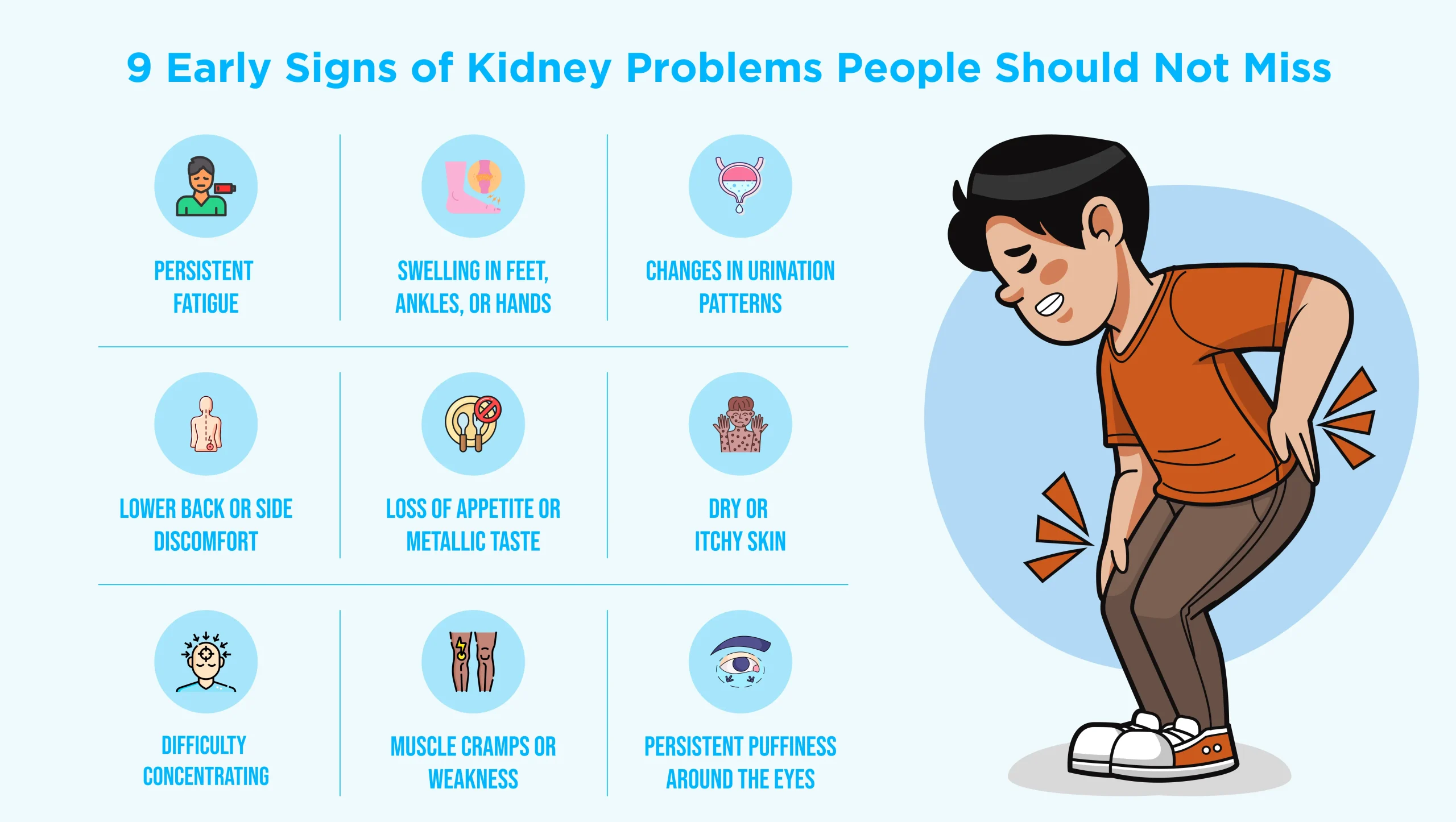
The following are some of the typical symptoms that can indicate that the kidneys require some attention. Although these symptoms can also be caused by other factors, it is beneficial to observe the change over time and discuss it with a healthcare specialist.
Also, the kidneys assist in keeping the blood healthy by filtering waste and assisting in the production of red blood cells. When kidney function declines, waste builds up in the blood and may lead to persistent fatigue or low energy. When rest or sleep does not alleviate fatigue, it is worth discussion when there is a health check.
Fluid build-up in the body may occur when the kidneys can no longer dispose of excess fluids accordingly. This may cause swelling, particularly in the feet, ankles, face or hands. If the swelling does not reduce over time, it may indicate early kidney-related changes.
In India, chronic kidney disease (CKD) affects an estimated 13.24% of the population. This is often linked to conditions such as diabetes and high blood pressure, as well as infections that come about as a result of poor hygiene and low awareness. Due to this reason, a lot of individuals end up learning about their CKD at an advanced stage.
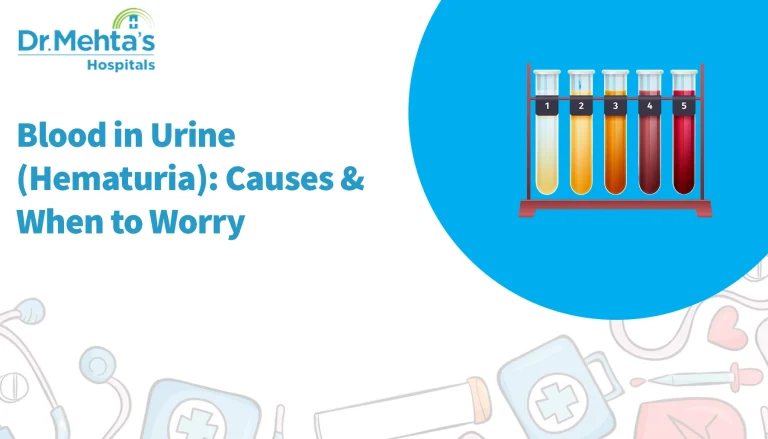
The kidneys help the body make urine. An alteration in urination frequency, color, or quantity can reflect kidney changes. Signs may include:
Talking about these changes early can help identify the underlying cause, and consulting a Best Nephrology Hospital in Chennai can help guide the correct diagnosis and management if symptoms continue.
Some individuals experience lower back pain or discomfort near the sides of the body where the kidneys are located. This inconvenience can be slight or occasional. Although it may occur due to numerous causes, the links of the symptom to other manifestations can be used to inform the subsequent assessment.
The accumulation of wastes in the blood system can influence the appetite or alter the taste of food. Others might experience decreased appetite or a metallic taste in the mouth. This can develop gradually and is easy to overlook. If these symptoms persist, seeking guidance from a trusted kidney care hospital in Chetpet can help identify the underlying cause and provide the proper support.
Healthy kidneys help maintain mineral and nutrient balance in the body. When the balance is disturbed, the skin might either turn dry or itchy. Maintaining hydration and following delicate skin care can be helpful in the short term, but chronic dryness can require treatment.
Electrolyte imbalances or poor waste elimination can influence cognitive ability. This may feel like difficulty concentrating or slower thinking. In case there are concentration problems with tiredness or some other symptoms, it could be worthwhile to discuss this with the top kidney doctor in Velappanchavadi.
Kidneys also assist in the regulation of such minerals as calcium, potassium, and sodium, which are vital to muscle health. Kidney alterations can cause cramps, twitching, or weakness of the muscles. Noting when these symptoms occur can help identify patterns.
Fluid retention can manifest as puffiness around the eyes, particularly when getting up. This is because the protein can pass into the urine rather than remaining in the blood. Although morning puffiness can have many causes, noticing it consistently can serve as an early warning sign.
Kidney-related symptoms can be subtle and easily overlooked in daily life.. Early treatment helps to preserve kidney functioning and promote long-term wellness. If any of these signs persist or appear together, seeking medical advice can bring clarity and reassurance.
To learn more about personalised kidney care and advanced healthcare, you can reach out to the experts at Dr. Mehta’s Hospitals in Chennai, which provides personalised kidney care and support. Book your appointment now.