
Several physiological changes occur in the body during pregnancy and breastfeeding, and these changes are noticeable in the breasts. These changes may feel unfamiliar or occasionally confusing for many women. Nevertheless, most of these changes are natural and help the body prepare to feed the baby.
Learning more about breast health in pregnancy and lactation can make you feel more secure and at ease during this experience. This guide outlines what to expect, what is normal and how to take care of your breasts in this significant phase.
When a woman is pregnant, her breasts start to prepare to produce milk. You can notice that your breasts get fuller, heavier, and more sensitive. This is one of the earliest pregnancy symptoms for many women.
Breast changes can begin as early as the first week after conception and continue throughout pregnancy, often lasting even after the baby is born.
The nipple and the areola (darker region around the nipple) can also get darker and more noticeable. Montgomery glands are small bumps found around the areola. These changes support effective breastfeeding after delivery.
Breast changes during pregnancy are primarily driven by hormonal fluctuations. Estrogen and progesterone levels rise considerably and cause the development of milk-producing glands.
At the same time:
These changes prepare the body to nourish the baby after birth and are a normal, healthy part of pregnancy. You can seek support from experienced specialists at a leading gynecology hospital in Chennai to receive the right care and guidance throughout your pregnancy journey.
Breast changes develop gradually throughout pregnancy, progressing across each trimester as your body gets ready to breastfeed. Knowing what to expect in every step will make you feel more relaxed and confident. These changes are natural and vary between individuals.
In the early weeks:
These are generally gentle changes that ease as the body adapts.
During this stage:
In the later months:
These changes show that the body is prepared to breastfeed. For better monitoring and reassurance during this phase, timely check-ups at a trusted diagnostic lab in Chennai can help ensure everything is progressing well.
Once a woman gives birth, the body starts to create mature breast milk. As milk production increases, the breasts may feel firm, full, or heavy. This phase is commonly referred to as ‘milk coming in.’
In the first few days:
Regular feeding allows the body to adapt and ensures a steady milk supply. According to NFHS-5 data for Tamil Nadu early initiation of breastfeeding within one hour stands at 60.2%, while exclusive breastfeeding for the first 6 months is 55.1%.
During lactation, the breasts undergo several adaptive changes. The table below outlines common patterns and their clinical relevance.
Common Changes During Lactation
|
Change |
Why It Happens | Is It Normal? |
|
Engorgement |
Milk buildup in the early days |
Yes |
|
Leaking |
Let-down reflex | Yes |
|
Breast fullness |
Milk production |
Yes |
|
Mild discomfort |
Adjustment to feeding |
Yes |
|
Changes in size |
Milk supply variation |
Yes |
|
Nipple sensitivity |
Frequent feeding |
Yes |
| Visible veins | Increased blood flow |
Yes |
During the initial days after delivery, the breasts are likely to be full or tight because of the increased production of milk. It is a temporary stage and can be improved by feeding.
Milk may leak during feeds or when the baby cries. This occurs due to the natural let-down reflex and is completely normal.
Breasts usually feel fuller before feeding and softer after feeding. This indicates healthy milk production.
Mild discomfort may be experienced as the body adapts to breastfeeding. Comfort can be enhanced by proper positioning and a correct latch.
The size of the breast can vary with the milk supply and the rate of feeding. This variation is completely natural. If you experience sudden discomfort or concerns, seeking help from a 24/7 emergency care hospital in Chennai can ensure timely support and peace of mind.
Nipples can be tender at first due to frequent feeding. This normally becomes better as time goes by and with appropriate care.
When the blood flow is increased, veins can be more visible on the surface of the breasts. This reflects the body’s preparation for milk production.
Breast care promotes comfort and general breast health.
Appropriate breast care during lactation can help minimize discomfort and ensure a comfortable experience with breastfeeding.
A healthy diet helps the mother and the baby.
Your diet can include the following to help you maintain good health:
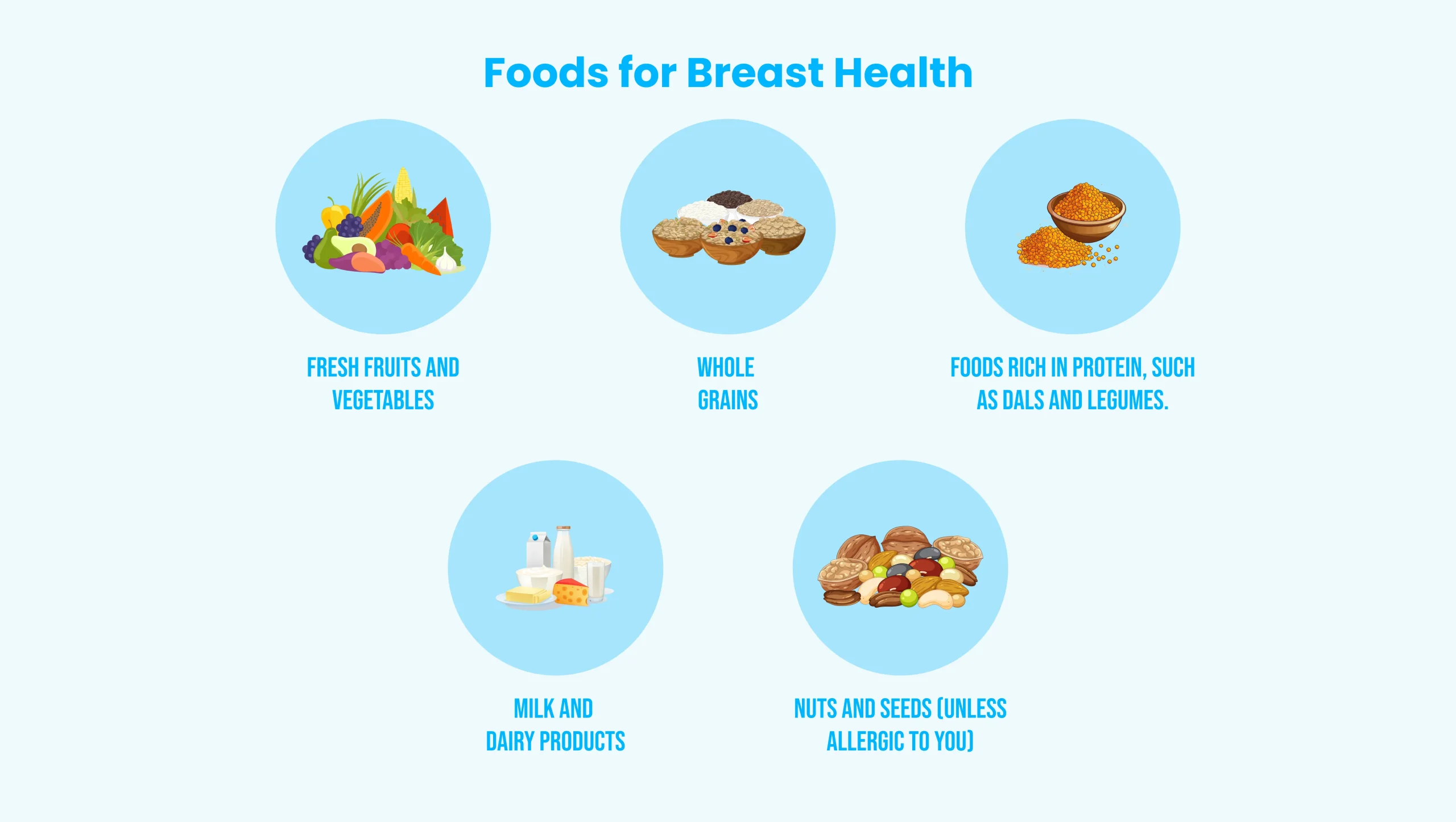
These foods supply key nutrients that help sustain milk production and maternal energy levels.
Note: This may not apply to everyone, so consult a doctor before making dietary changes.
Though most changes are normal, you must consult a doctor when you notice:
Early medical advice helps ensure comfort and proper care.
Breast alterations during pregnancy and lactation are normal and significant in playing an important role in preparing the body for breastfeeding. Awareness of these changes helps reduce uncertainty and builds confidence in new mothers.
Good breast health is more easily maintained with proper care, balanced nutrition, and support in time. Every journey is personal, and little attentive actions can make the process more pleasant and enjoyable. For personalised guidance and expert-led care, consult our specialists at Dr Mehta’s Hospitals.
Yes, these changes are a natural part of preparing the body for breastfeeding.
2. Why do breasts feel heavy during pregnancy?
Increased blood flow and the development of milk-producing glands contribute to the feeling of heaviness.
3. Is it normal to experience milk leakage before delivery?
Yes, some women may notice colostrum leakage during the later stages of pregnancy, which is a normal physiological response.
4. How can breast discomfort during lactation be managed?
Regular feeding, correct latch techniques, and proper breast care can help improve comfort.
5. Do all women experience the same breast changes during pregnancy and lactation?
No, these changes vary between individuals based on hormonal responses and physiological differences.
6. Can diet influence breast health during breastfeeding?
Yes, a balanced diet supports maternal health and helps maintain adequate milk production.
7. When should I be concerned about breast changes during pregnancy or breastfeeding?
If you experience persistent pain, redness, fever, unusual lumps, or difficulty feeding, it is important to consult a doctor promptly.
8. Is breast engorgement normal after delivery?
Yes, breast engorgement is common in the early days after delivery as milk production increases, and it usually improves with regular feeding.